Steam train crossing Glenfinnan Viaduct

Driving tours · Unofficial guide

Jane Austen road trip through southern England

Photo: Simon Burchell · CC BY-SA 4.0 via Wikimedia Commons
Length
4 days
Distance
291 miles
Driving
About 8 hours
Stops
11

This route links the places Jane Austen lived, wrote and died with the houses used in the best known film and television versions of her novels. It runs from Berkshire to Devon in four days, and covers 11 stops.

Some of these places have a firm link to her, backed by her letters and family records. Others are only film sets, and a few famous claims about houses that inspired her novels are guesses. Each stop says which is which.

Best time to go: Late spring to early autumn. Wilton House opens in summer only, and National Trust houses vary their opening days through the year, so check before you go.

How it works

  1. 1

    Add your starting point

    Tell us where you are setting off from. A date is optional.

  2. 2

    Save it to your account

    Every stop goes into a trip that you can change however you like.

  3. 3

    Take it on your phone

    Open the PYRT app with the same account and navigate from stop to stop.

The route, day by day

Day 1: Berkshire to Winchester: the film house, the cottage and the grave

67 miles driving. Stay: Winchester

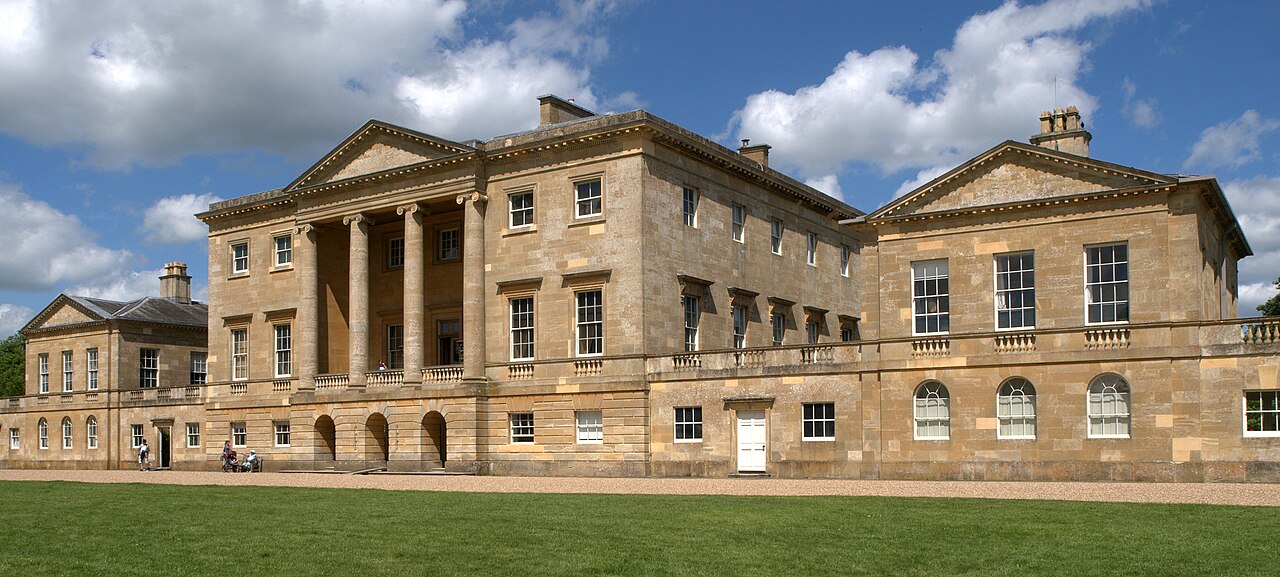
Basildon Park
Photo: Jim Bowen from Hampstead, London, United Kingdom · CC BY 2.0 via Wikimedia Commons

Stop 1 · Lower Basildon, Berkshire

Basildon Park

The Austen link

Basildon Park played Netherfield, the house Mr Bingley rents, in the 2005 film of Pride and Prejudice. The west front, the loggia, the dining room and the Octagon Drawing Room all appear on screen. We found no link between Austen and the house itself.

The real history

John Carr designed it for Sir Francis Sykes, who made his fortune with the East India Company in Bengal. It was built between 1776 and 1783, and the main rooms were still unfinished when Sykes died in 1804. The house was stripped of fixtures in 1929 and used as barracks and a prisoner of war camp in the Second World War. Lord and Lady Iliffe bought it in the 1950s, restored it over about 25 years and gave it to the National Trust in 1978.

When you visit

A National Trust property with house and parkland. Check opening days and which rooms are open before you go.
Jane Austen's House and Chawton House
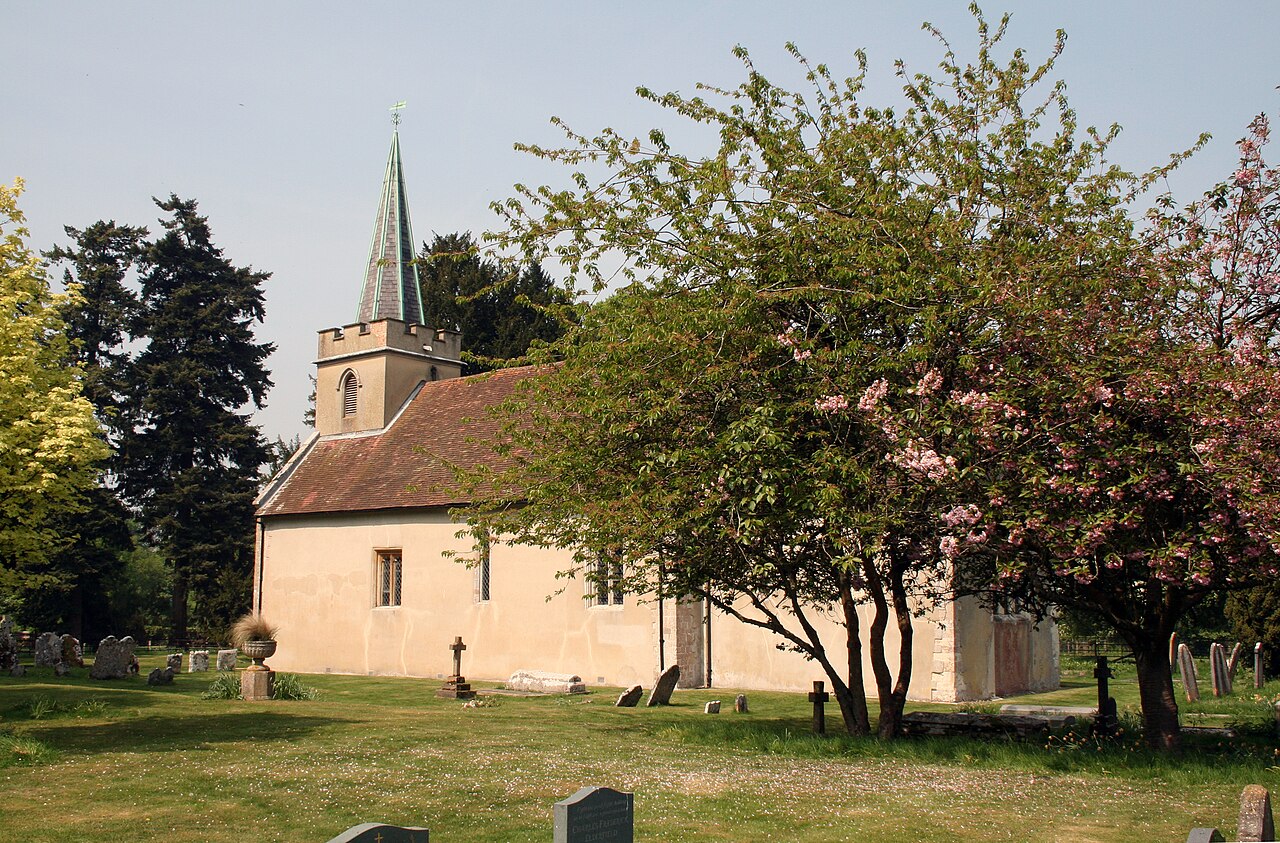
Photo: Simon Burchell · CC BY-SA 4.0 via Wikimedia Commons

Stop 2 · Chawton, Hampshire

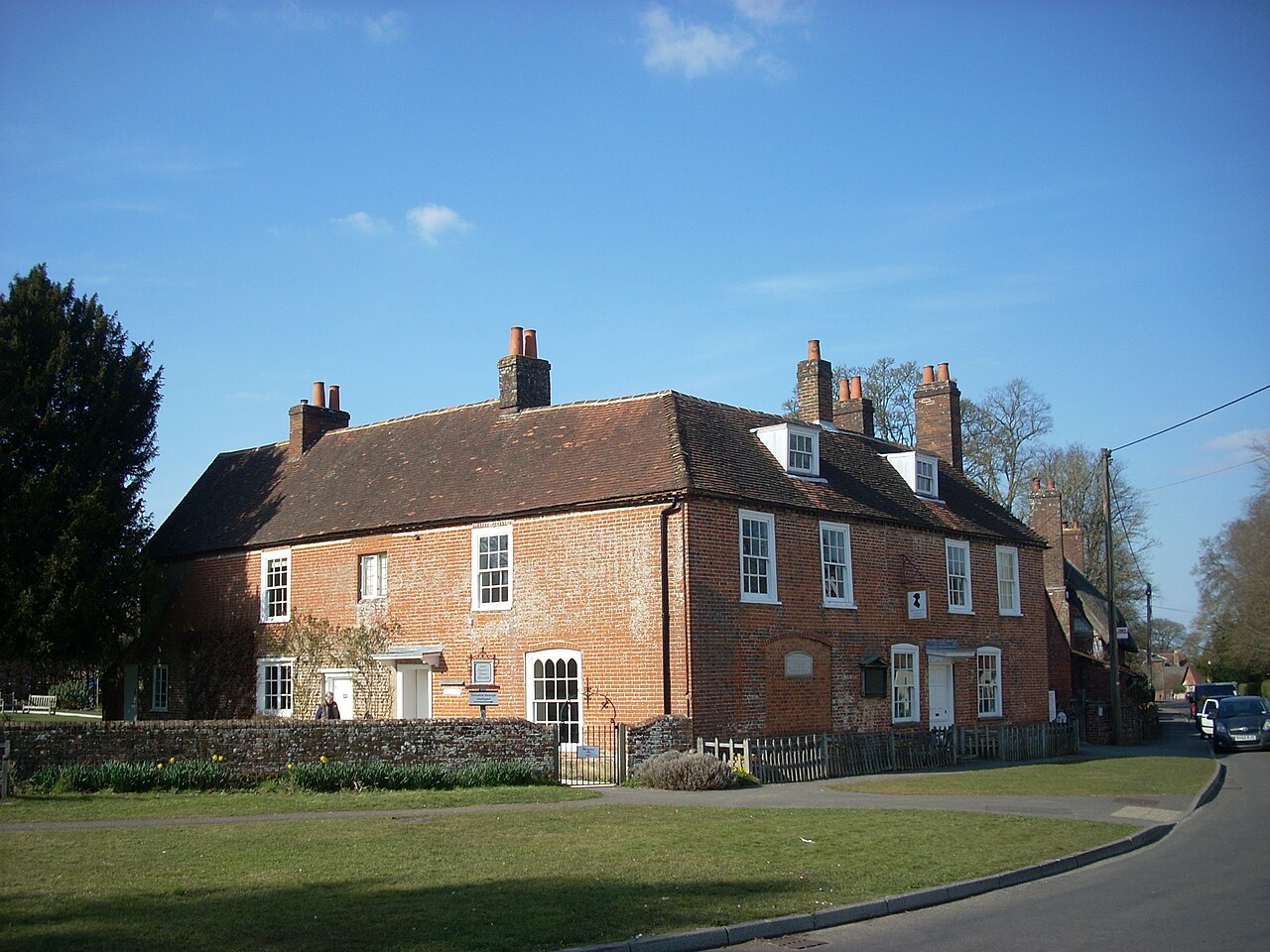
Jane Austen's House and Chawton House

The Austen link

Austen lived in this cottage from July 1809 until May 1817, with her mother, her sister Cassandra and their friend Martha Lloyd. Here she revised Sense and Sensibility, Pride and Prejudice and Northanger Abbey, and wrote Mansfield Park, Emma and Persuasion. About 400 metres away is Chawton House, the manor owned by her brother Edward, which she called the Great House.

The real history

Edward Austen had been adopted by the Knights and took their name when he inherited their estates. The cottage opened as a museum in July 1949, after T. Edward Carpenter bought it and gave it in trust in memory of his son, who died in the Second World War. Chawton House dates from about 1580. A foundation set up by Sandra Lerner, a co-founder of Cisco, took a long lease in 1992 and restored it, and it opened as a library of early women's writing in 2003.

When you visit

Both can be visited, and they are a short walk apart. They are run separately, with their own tickets and opening days, and Chawton House has been open only part of the week, so check both before you go.

St Nicholas Church, Steventon
Photo: Dr Neil Clifton · CC BY-SA 2.0 via Wikimedia Commons

Stop 3 · Steventon, Hampshire

St Nicholas Church, Steventon

The Austen link

Austen was born in Steventon on 16 December 1775 and baptised at this church in April 1776. Her father, George, was rector from 1761 until his death in 1805, and she worshipped here for 25 years. The first draft of what became Pride and Prejudice, then called First Impressions, was written at Steventon between October 1796 and August 1797.

The real history

The church dates from around 1200. The spire and the stained glass were added in the 19th century, so she knew a plainer building. The rectory where she grew up was pulled down in the 1820s and is now a field. Excavators found pottery and nails on the site in 2011, and part of the rectory pump is kept in the church.

When you visit

The church stands at the end of a narrow lane and you need a car to reach it. It has been reported as left unlocked for visitors, but check locally. The later rectory opposite, Steventon House, is a private home.

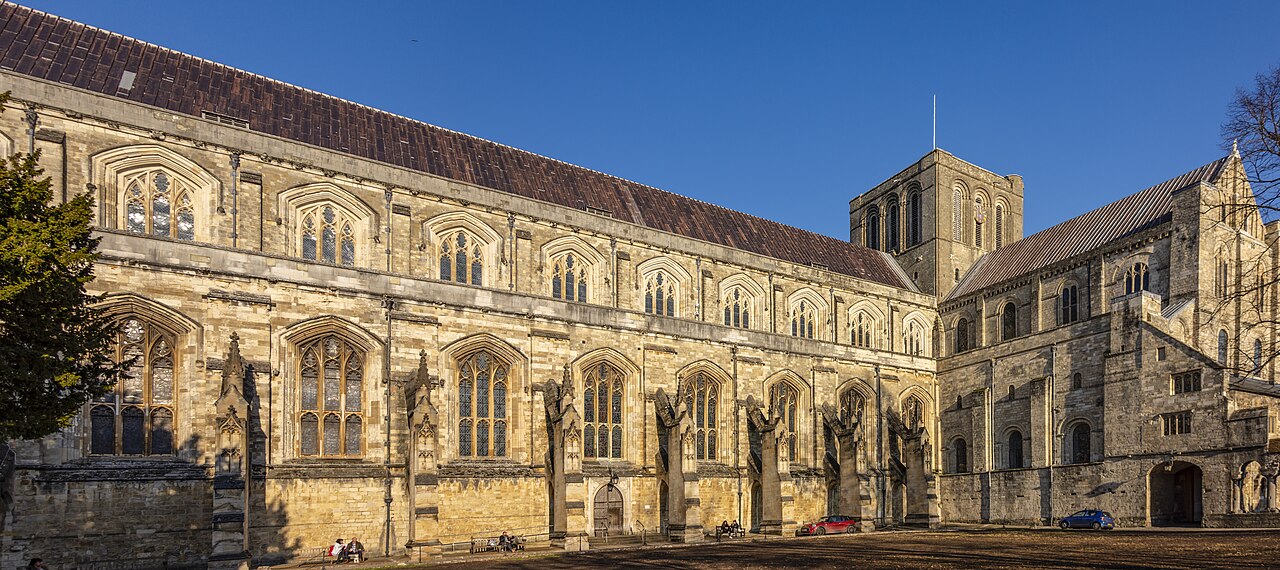
Winchester Cathedral and 8 College Street
Photo: Bellminsterboy · CC BY-SA 4.0 via Wikimedia Commons

Stop 4 · Winchester, Hampshire

Winchester Cathedral and 8 College Street

The Austen link

Austen came to Winchester in May 1817 to be near her doctor, and died at 8 College Street on 18 July, aged 41, with Cassandra beside her. She is buried in the north aisle of the cathedral. Her ledger stone praises the extraordinary endowments of her mind but says nothing about her books.

The real history

A brass plaque added in 1872 by her nephew James Edward Austen-Leigh fixed that omission, and a memorial window by C. E. Kempe followed in 1900, paid for by public subscription. A statue of Austen by Martin Jennings now stands in the Inner Close, added for the 250th anniversary of her birth. Northanger Abbey and Persuasion were published about six months after she died.

When you visit

Check the cathedral's visiting arrangements before you go. 8 College Street is a private house and is not open to visitors, but you can stand outside it and read the plaque over the door. It is a short walk from the cathedral.

Day 2: Wilton and Lacock to Bath

74 miles driving. Stay: Bath

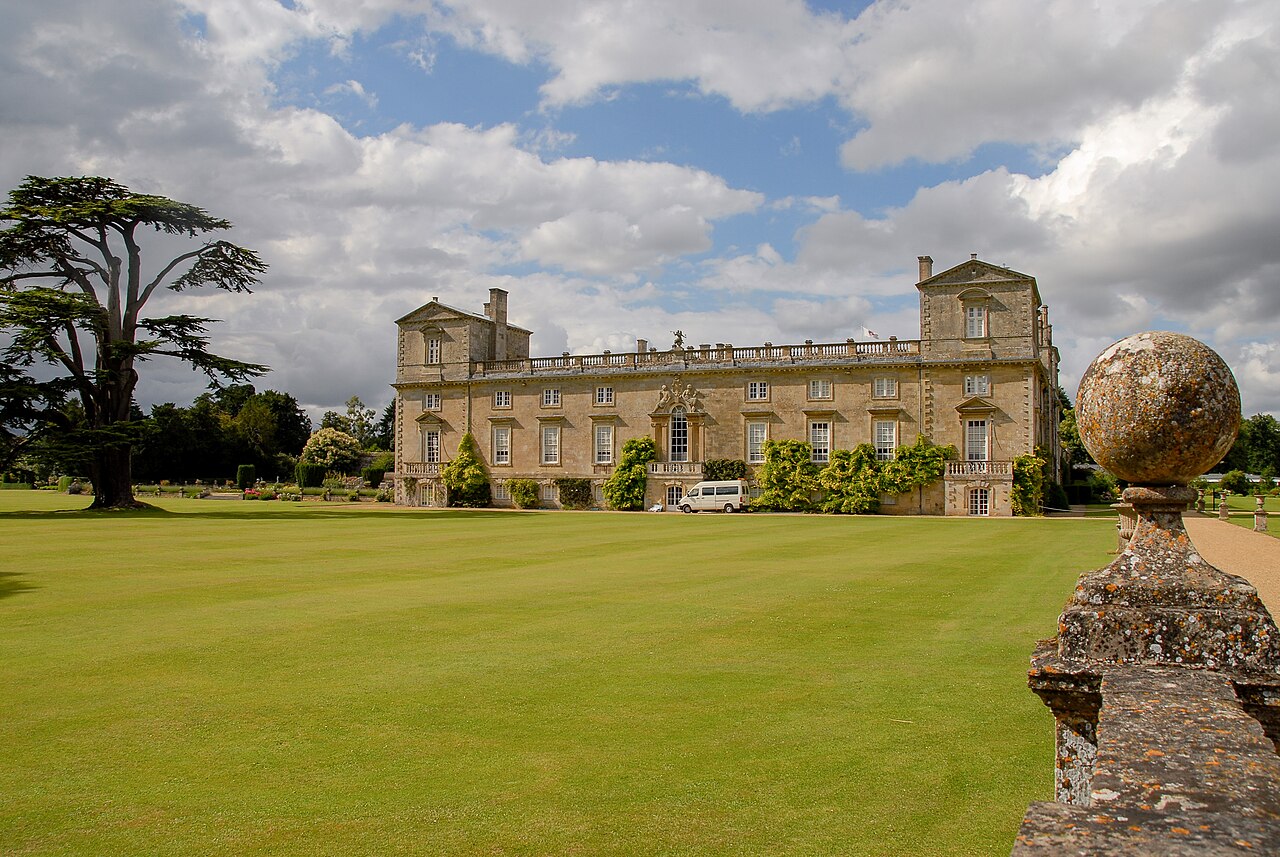
Wilton House
Photo: Henry Kellner · CC BY-SA 3.0 via Wikimedia Commons

Stop 5 · Wilton, Wiltshire

Wilton House

The Austen link

The Double Cube Room was Pemberley's drawing room in the 2005 film of Pride and Prejudice, while the exterior of Pemberley was Chatsworth. Film location guides also name Wilton as the venue for the London ball in the 1995 film of Sense and Sensibility.

The real history

This has been the seat of the Earls of Pembroke for over 400 years, built on the site of a medieval abbey given to William Herbert by Henry VIII. Most of what stands dates from rebuilding after a fire in 1647. The south front was designed in a Palladian style by Inigo Jones and Isaac de Caus. In 1801 James Wyatt remodelled parts of the house in Gothic style, a change people still argue about.

When you visit

The family still lives here. The house opens to visitors in the summer only, so check dates before you go.

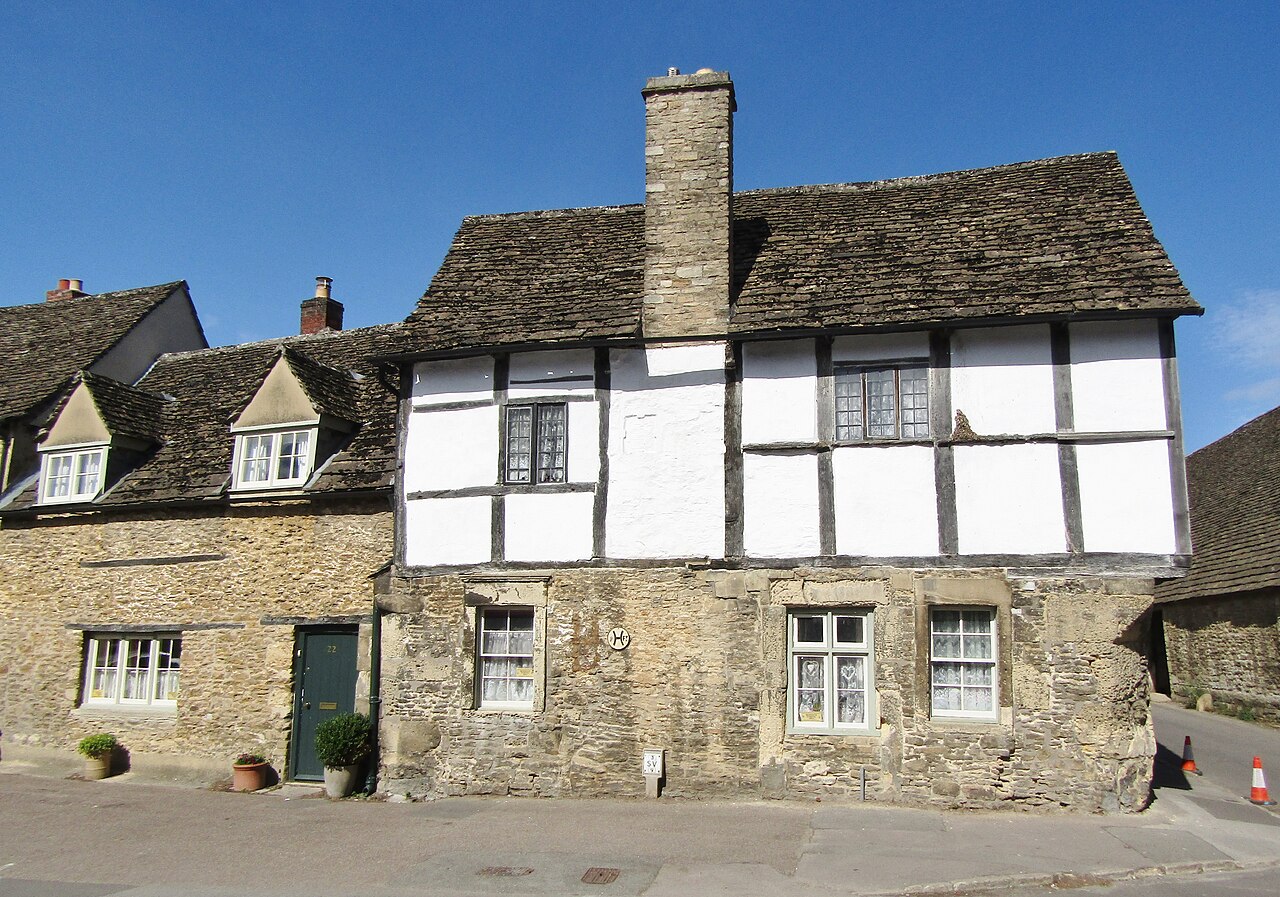
Lacock Village
Photo: Colin Smith · CC BY-SA 2.0 via Wikimedia Commons

Stop 6 · Lacock, Wiltshire

Lacock Village

The Austen link

Lacock was Meryton, the Bennets' local town, in the 1995 BBC serial of Pride and Prejudice. Scenes from the 1996 film of Emma were shot here too, with the village standing in for Highbury.

The real history

Almost the whole village belongs to the National Trust, after Matilda Talbot gave the estate to the Trust in 1944. Lacock Abbey was founded in 1232 by Ela, Countess of Salisbury. It later became the home of Henry Fox Talbot, one of the pioneers of photography.

When you visit

This is a working village where people live, so keep to the streets and be considerate. The map pin is the abbey visitor car park. Check parking and abbey opening before you go.

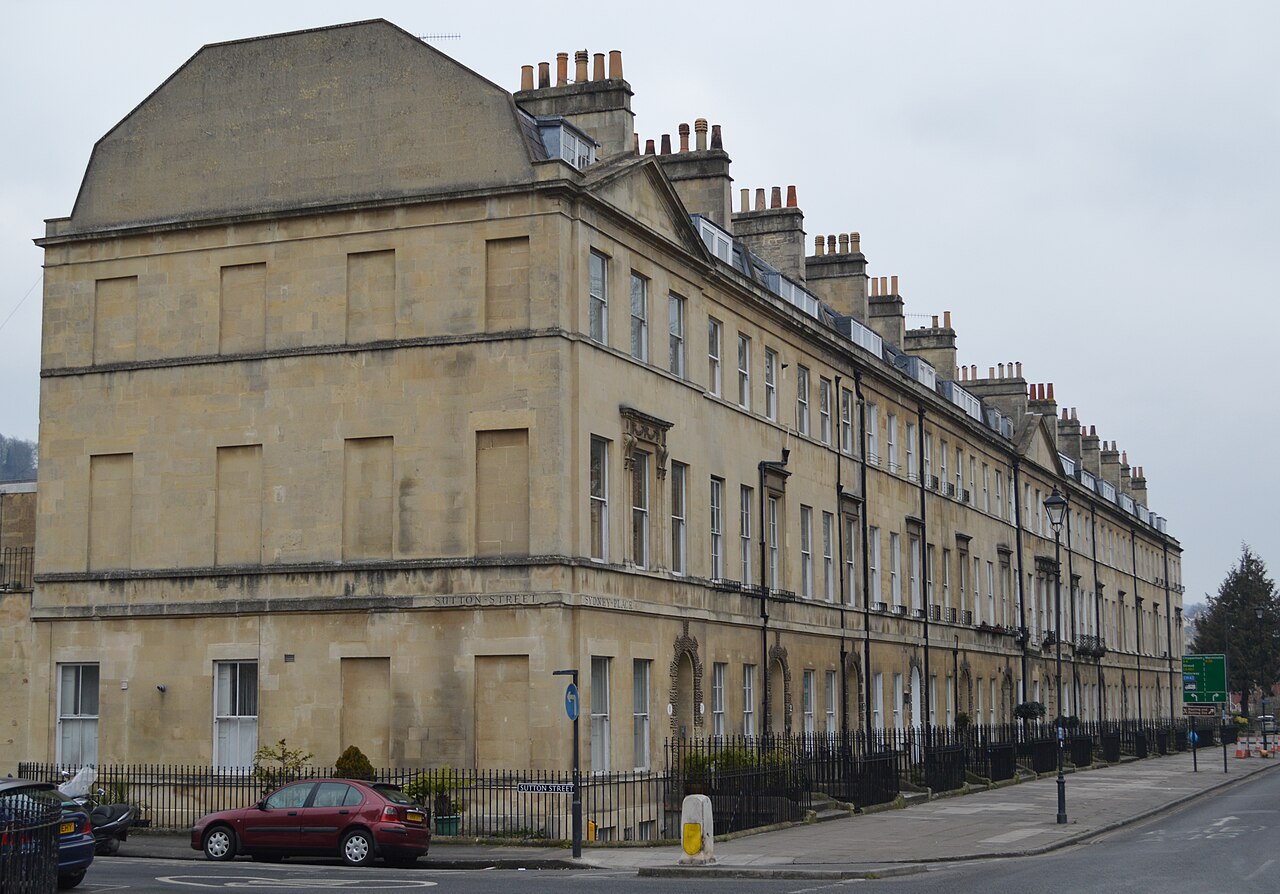
Sydney Place, Bath
Photo: Rwendland · CC BY-SA 4.0 via Wikimedia Commons

Stop 7 · Bath, Somerset

Sydney Place, Bath

The Austen link

Austen lived at 4 Sydney Place from 1801, when the family moved to Bath. Northanger Abbey and Persuasion are both set in the city, and Persuasion uses real places such as the Gravel Walk, Union Street and the Royal Crescent. All six of her novels mention Bath.

The real history

The family took lodgings at Green Park Buildings from 1804. George Austen died in January 1805, and Jane moved with her mother and sister to 25 Gay Street, then to Trim Street, before leaving in 1806. The Pump Room, the Assembly Rooms, Sydney Gardens and the Royal Crescent, all places she knew, are still standing.

When you visit

4 Sydney Place is not a museum, so see it from the pavement. The Jane Austen Centre on Gay Street, a few doors from one of her lodgings, is a visitor attraction rather than a house she lived in. Central Bath is best on foot, so park once and walk.

Day 3: Stourhead and Montacute to the sea at Lyme Regis

77 miles driving. Stay: Lyme Regis

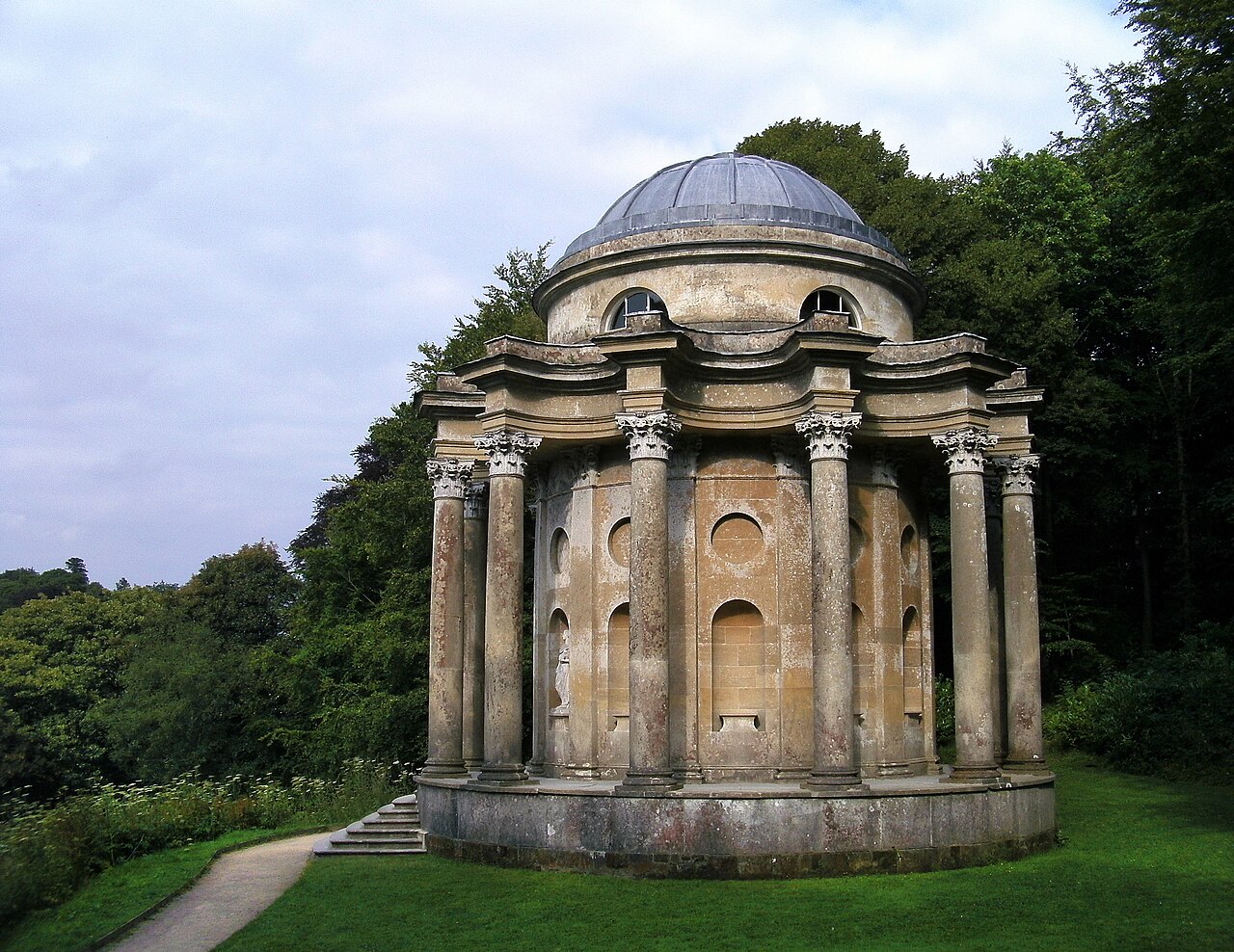
Stourhead
Photo: Delta 51 · CC BY-SA 3.0 via Wikimedia Commons

Stop 8 · Stourton, Wiltshire

Stourhead

The Austen link

The Temple of Apollo was the setting for Darcy's first proposal to Elizabeth in the 2005 film of Pride and Prejudice, standing in for the grounds of Rosings. We found no link between Austen and the garden.

The real history

Henry Hoare, from the banking family, bought the estate in 1717. His son, Henry Hoare II, laid out the gardens around an artificial lake between 1741 and 1780, and Henry Flitcroft built the temple. Sir Henry Hugh Arthur Hoare gave the house and gardens to the National Trust in 1946.

When you visit

A National Trust property. The temple is in the garden, so allow time for the walk from the car park. Check opening before you go.

Montacute House
Photo: Becks · CC BY 2.0 via Wikimedia Commons

Stop 9 · Montacute, Somerset

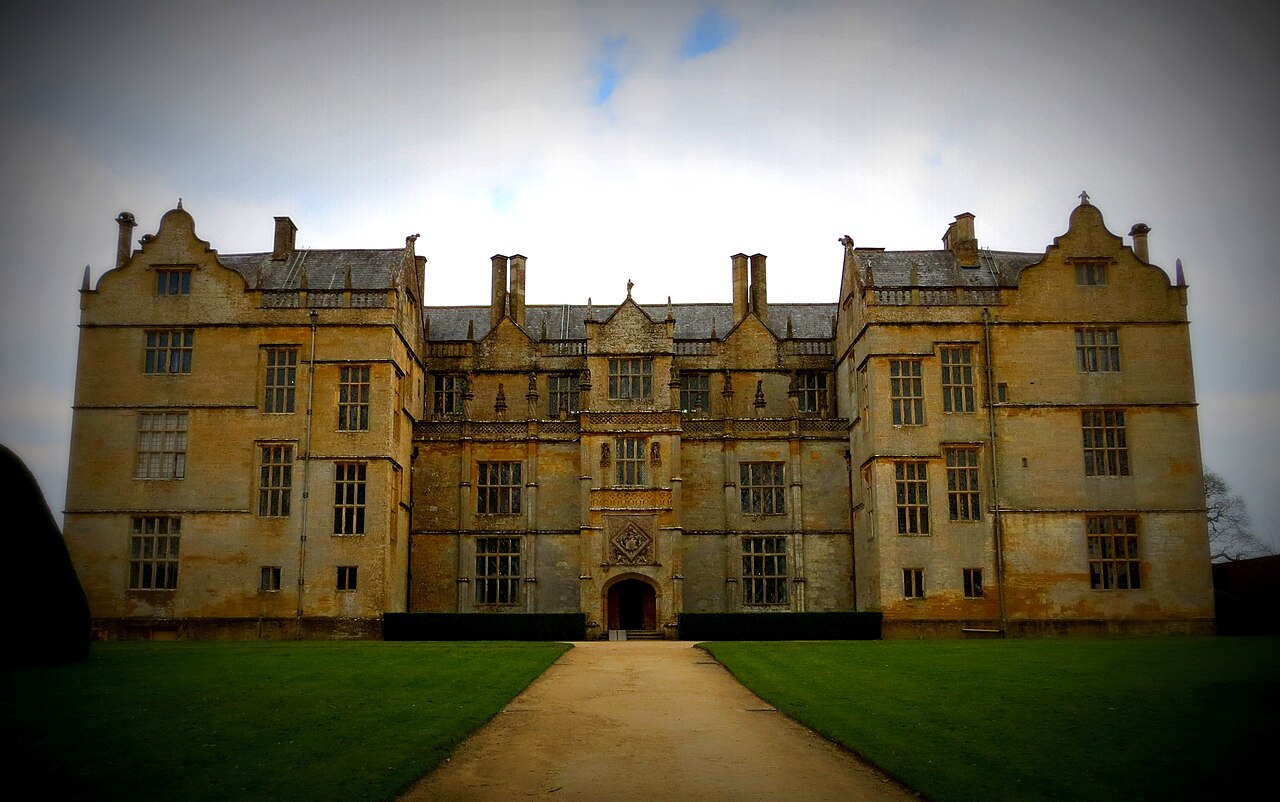
Montacute House

The Austen link

Montacute played Cleveland, the Palmers' country home, in the 1995 film of Sense and Sensibility. This is where Marianne falls ill after walking in the rain. We found no link between Austen and the house.

The real history

Sir Edward Phelips, Speaker of the Commons and the opening prosecutor at the Gunpowder Plot trial, built it around 1600. Its long gallery, at 172 feet, is the longest surviving in England, and it shows portraits from the National Portrait Gallery. The Phelips family left in 1911. Ernest Cook bought it in 1931 and it passed to the National Trust.

When you visit

A National Trust property with house and garden. Check opening before you go.

The Cobb, Lyme Regis
Photo: David Purchase · CC BY-SA 2.0 via Wikimedia Commons

Stop 10 · Lyme Regis, Dorset

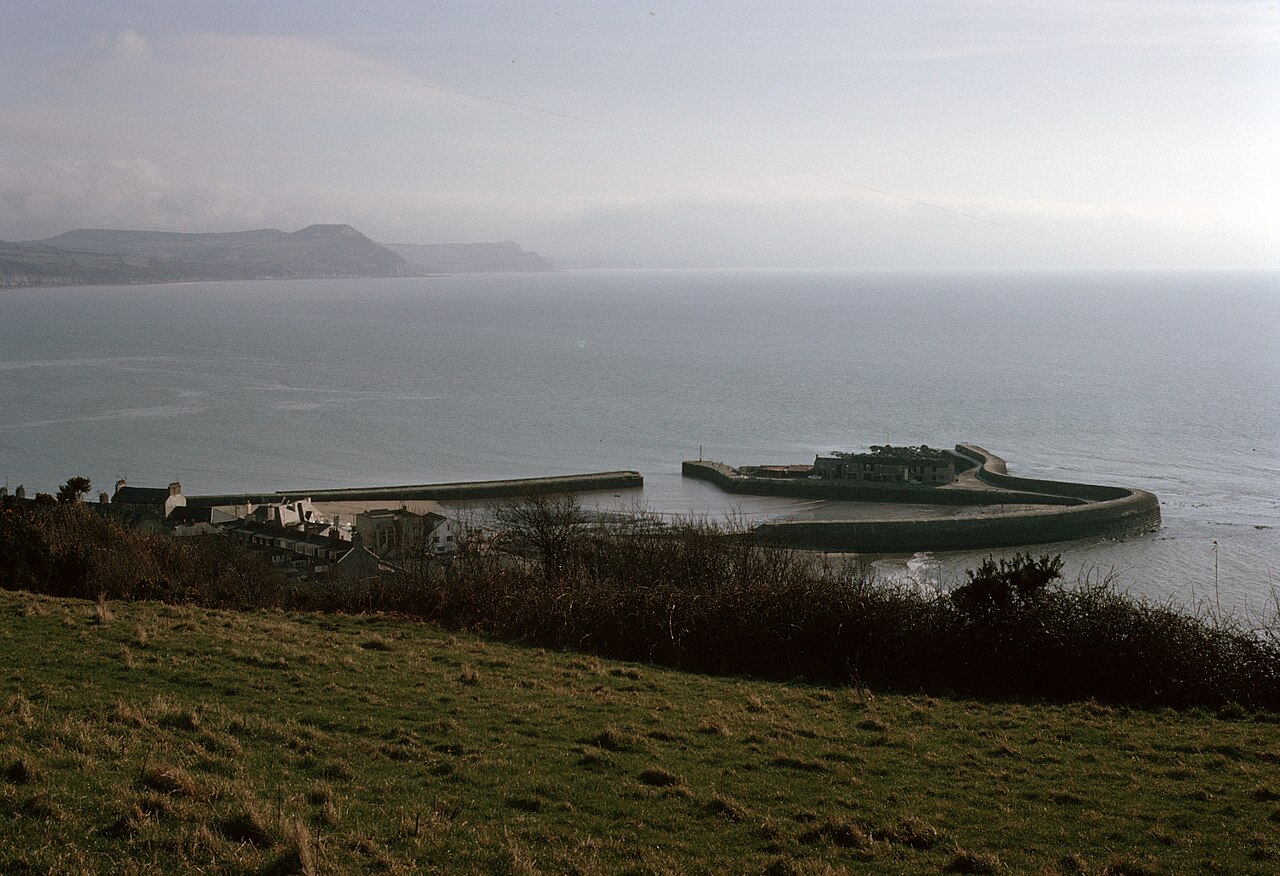
The Cobb, Lyme Regis

The Austen link

Austen visited Lyme in 1803 and 1804, and set part of Persuasion here. On the Cobb, Louisa Musgrove jumps down some steps and is knocked unconscious.

The real history

The Cobb is recorded from 1294 and has been wrecked by the sea several times. It was almost entirely rebuilt in Portland stone after a storm in 1817, the year Austen died, so what you walk on is largely not what she saw. The Assembly Rooms she went to were demolished in 1924 and the site is now a car park. A blue plaque on Pyne House calls it the most likely place she lodged.

When you visit

The surface of the Cobb is uneven, so take care, especially in wind and waves. Holmbush and Monmouth Beach car parks are within walking distance.

Day 4: Along the coast to Saltram

73 miles driving. Stay: Plymouth

Saltram
Photo: Chilli Head from Weston-super-Mare, UK · CC BY 2.0 via Wikimedia Commons

Stop 11 · Plympton, Devon

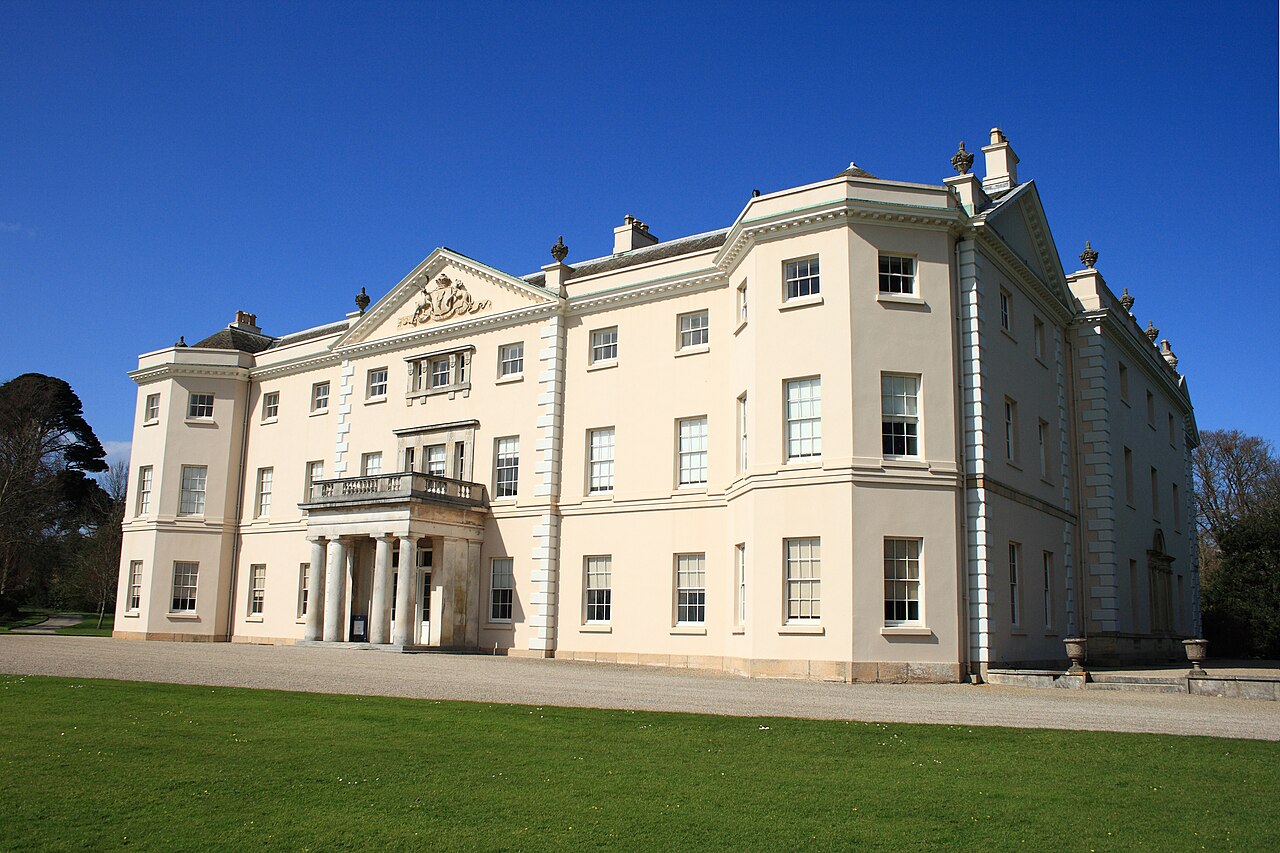
Saltram

The Austen link

Saltram played Norland Park, the home the Dashwoods are forced to leave, in the 1995 film of Sense and Sensibility. The Saloon, Mirror Room, Entrance Hall, Library and Stables all appear on screen. Margaret's treehouse was built in an oak at the end of Lime Avenue, and the tree still stands.

The real history

John Parker began the present house and his son, the first Baron Boringdon, finished it. Robert Adam was brought in from 1768 to design the Saloon and the Library, now the Dining Room. Sir Joshua Reynolds was a friend of the family and the house holds ten of his portraits. It came to the National Trust in 1957, accepted in place of death duties.

When you visit

A National Trust property on the edge of Plymouth, overlooking the River Plym. Check opening before you go.

You will unlock the Austen Country Explorer badge

  1. Plan the trip

    Add this tour to your account. All 11 stops go in for you.

  2. Drive the trip

    Record your drives in the PYRT app and reach each stop. Any order is fine, and it can take more than one trip.

  3. Get the badge

    Reach the last stop and the Austen Country Explorer badge is yours.

What we left out, and why

Lyme Park and Chatsworth

Lyme Park was Pemberley in the 1995 BBC serial, including the lake scene, which is not in the novel. Chatsworth was Pemberley in the 2005 film. Both are too far north for this route. Austen does name Chatsworth in Pride and Prejudice, as a place Elizabeth visits, which is why many believe it inspired Pemberley. We found no evidence in Austen's own words that it did.

Stoneleigh Abbey, said to be Sotherton

Austen stayed at Stoneleigh Abbey in Warwickshire in 1806, when it belonged to her mother's family, and its chapel resembles the one in Mansfield Park. It is often called the model for Sotherton Court. That is a reasonable suggestion, not a fact, as no source shows she said so. It is also well off this line.

Godmersham Park

Her brother Edward's house in Kent, where she spent about ten months in total and to or from which 61 of her 161 surviving letters were written. The link is real, but it is now a college and is not open to the public. The idea that it was a model for Pemberley is an inference from Edward's wealth and library. It is in Kent, in the wrong direction for this route.

The claim that Louisa fell on Granny's Teeth

Visit Dorset and many guides name the projecting steps called Granny's Teeth as the place Louisa Musgrove fell. Local sources including Lyme Regis Museum point to another set of steps a little further along the Cobb, and one local history site says Granny's Teeth were not built until after 1816, when the book was finished. We could not settle the date, so treat Granny's Teeth as tradition.

Common questions

Where was Jane Austen born?

At the rectory in Steventon, Hampshire, on 16 December 1775. The rectory was demolished in the 1820s and the site is now a field, but the church where she was baptised, St Nicholas, still stands.

Where is Jane Austen buried?

In the north aisle of Winchester Cathedral. She died nearby at 8 College Street on 18 July 1817. Her gravestone does not mention her novels, which is why a brass plaque was added in 1872.

Can you visit the house where Jane Austen lived?

Yes. Her cottage at Chawton, where she lived from 1809 to 1817, is a museum. The Steventon rectory no longer exists, and the house she died in at Winchester is not open to visitors.

Which houses were used as Pemberley?

Lyme Park in Cheshire was the exterior in the 1995 BBC serial. In the 2005 film the exterior was Chatsworth in Derbyshire and the drawing room was the Double Cube Room at Wilton House, which is on this route.

Which steps did Louisa Musgrove fall from at Lyme Regis?

Nobody can say for certain. Granny's Teeth is the popular answer, but Lyme Regis Museum and local writers favour a set of steps further along the Cobb.

How long does a Jane Austen road trip take?

This route takes four days at an easy pace, covering 11 stops from Basildon Park in Berkshire to Saltram in Devon.