Steam train crossing Glenfinnan Viaduct

Driving tours · Unofficial guide

Edward I castles of north Wales road trip

Photo: Herbert Ortner · CC BY 4.0 via Wikimedia Commons
Length
4 days
Distance
199 miles
Driving
About 6 hours
Stops
11

Between 1277 and 1295 Edward I fought the Welsh princes of Gwynedd and pinned down what he won with stone. This route follows that conquest by car, from the first castle at Flint on the Dee to Harlech on Cardigan Bay, in four days and about 200 miles.

The English castles are only half of the story, so four of the 11 stops are Welsh castles: built by the princes, then taken, altered or abandoned. Names follow Cadw and the Welsh spelling, so Conwy, Caernarfon and Eryri rather than the older English forms.

Best time to go: April to October. Several smaller castles cut their opening days in winter, Castell Rhuddlan closes altogether for the winter months, and the inside of Dolwyddelan is only open on set days in summer.

How it works

  1. 1

    Add your starting point

    Tell us where you are setting off from. A date is optional.

  2. 2

    Save it to your account

    Every stop goes into a trip that you can change however you like.

  3. 3

    Take it on your phone

    Open the PYRT app with the same account and navigate from stop to stop.

The route, day by day

Day 1: Flint to Conwy, along the 1277 front line

51 miles driving. Stay: Conwy

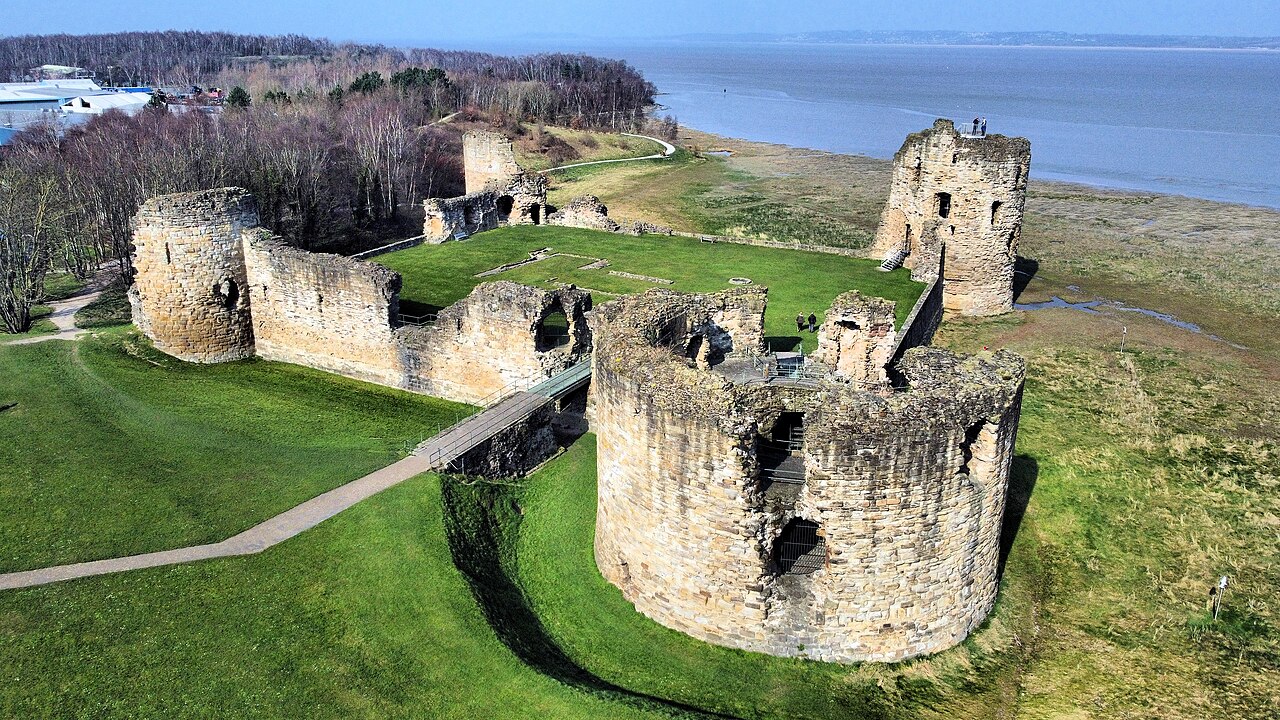
Flint Castle (Castell y Fflint)
Photo: Gary Bealr · CC BY-SA 4.0 via Wikimedia Commons

Stop 1 · Flint, Flintshire

Flint Castle (Castell y Fflint)

In the conquest

The first castle founded in Edward I's campaign against Llywelyn ap Gruffudd, begun in 1277 and largely complete by 1284. This is where the castle building of the conquest starts.

The real history

Its great round tower, the donjon, sits apart from the rest of the castle behind its own moat. Cadw calls it a castle within a castle, and no other castle Edward built in Wales has one like it. In 1399 Richard II met his cousin Henry Bolingbroke here and lost his crown, a scene Shakespeare put in Richard II.

When you visit

Free to enter, with signposted public car parks in the town and a short walk to the castle. It is close to Flint station and off the A548.
Castell Rhuddlan
Photo: Julie Anne Workman · CC BY-SA 3.0 via Wikimedia Commons

Stop 2 · Rhuddlan, Denbighshire

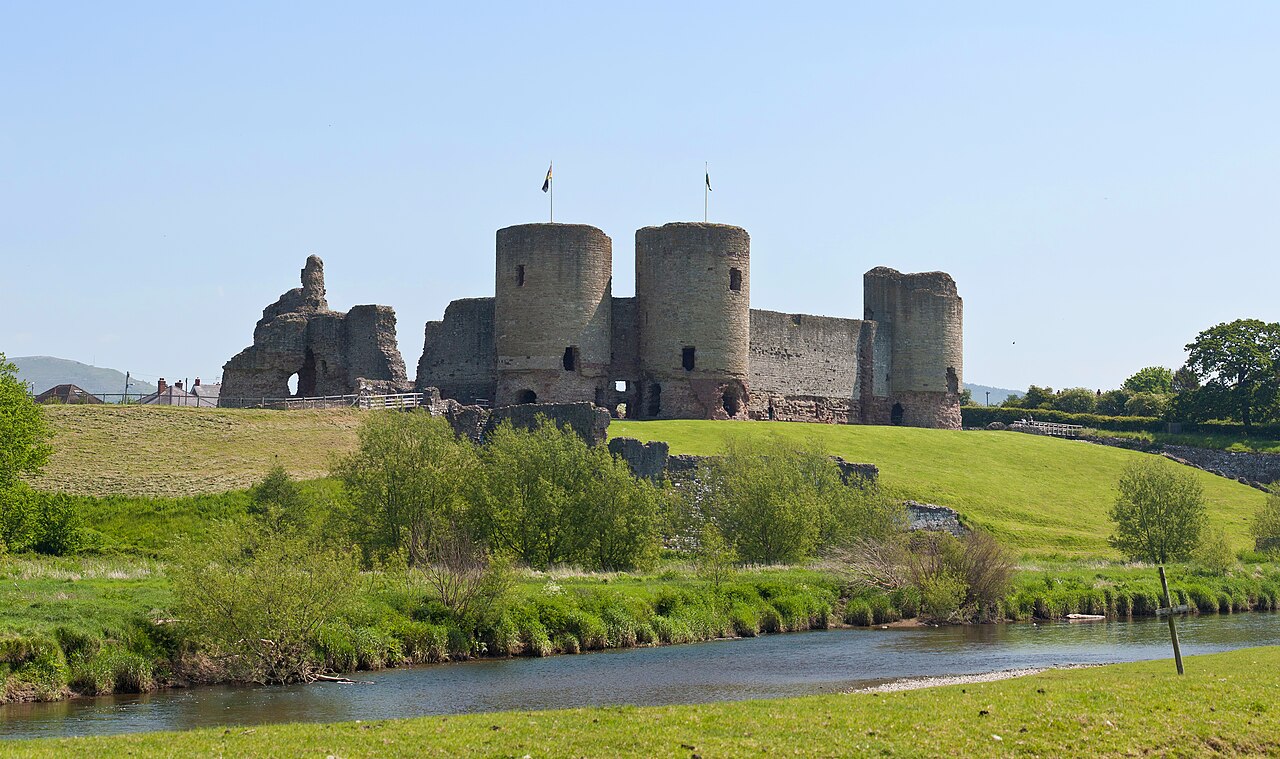
Castell Rhuddlan

In the conquest

Begun in 1277, it was the first of the concentric castles that Cadw credits to Master James of St George. After Llywelyn's death Edward issued the Statute of Rhuddlan here in 1284, which set out English government for the conquered land and created the shires of Flint, Caernarfon, Anglesey, Merioneth, Cardigan and Carmarthen.

The real history

The castle sits several miles inland, so Edward had the River Clwyd deepened and diverted to bring in supply ships. It was completed in 1282 at a recorded cost of £9,613. Owain Glyndŵr ravaged the town in 1400 but the castle held, and the Civil War finally broke its defences.

When you visit

There is a small car park with about 25 spaces and two EV chargers. Cadw closes this castle over the winter and on some weekdays in season, so check before you go. The medieval street grid of the new town is still visible in Rhuddlan.

Denbigh Castle (Castell Dinbych)
Photo: Errol Edwards · CC BY-SA 3.0 via Wikimedia Commons

Stop 3 · Denbigh, Denbighshire

Denbigh Castle (Castell Dinbych)

In the conquest

This was the seat of Dafydd ap Gruffudd, Llywelyn's brother, whose attack on Hawarden on Palm Sunday 1282 started the final war. By 1282 it was held by Edward's commander Henry de Lacy, who built on top of Dafydd's stronghold. So this is a lord's castle on a Welsh prince's ground, not a royal one.

The real history

The Welsh attacked and captured the half-built castle, and afterwards the English raised the curtain walls higher and added the great gatehouse. De Lacy died in 1311 with it still unfinished. Tradition says he lost heart after his eldest son fell to his death down the castle well.

When you visit

The road up is narrow and the gravel car park next to the castle holds about 15 cars. Opening days are reduced in winter, so check before you go.

Castell Conwy
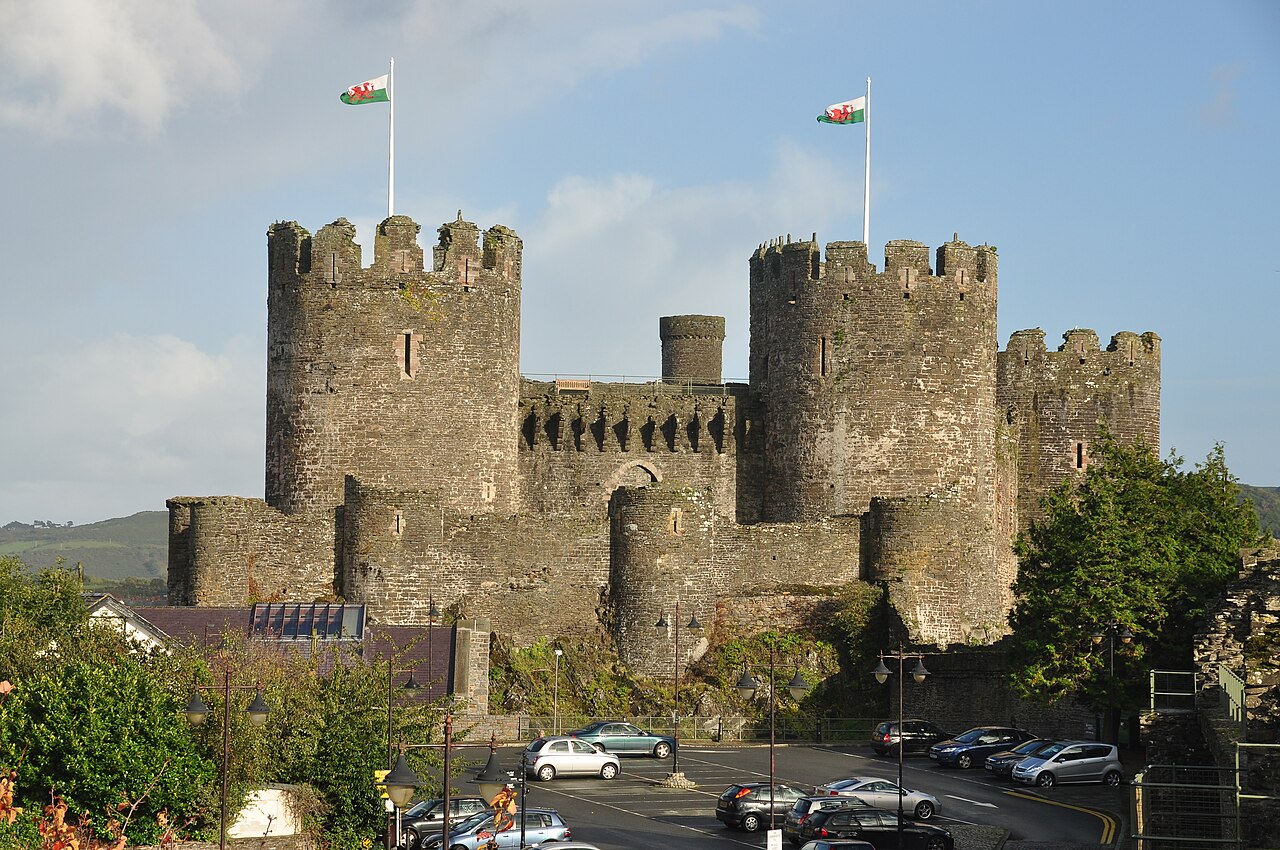
Photo: Nilfanion · CC BY-SA 4.0 via Wikimedia Commons

Stop 4 · Conwy

Castell Conwy

In the conquest

Built with its walled town in about four years, 1283 to 1287, directly after the defeat of Llywelyn. To make room Edward moved Aberconwy Abbey, where Llywelyn the Great was buried, 12km along the Conwy valley to Maenan. The abbey church became the parish church of St Mary, which is still in the town.

The real history

Edward spent about £15,000 here and stayed once, trapped by the Welsh rising of 1294 and left with one barrel of wine for Christmas. Traces of lime render on the walls show that the castle was once white. Its royal rooms are the most complete medieval set in England or Wales, according to Cadw.

When you visit

There is a pay and display car park, and a steep path of about 50 metres with steps from the visitor centre. A joint ticket with Plas Mawr is available. A short section of the 1.3km town walls, between the Watch Tower and the Wing Gate, is closed for safety work, with reopening hoped for by Easter 2027.

Day 2: Over to Ynys Môn and back to Caernarfon

39 miles driving. Stay: Caernarfon

Beaumaris Castle (Castell Biwmares)
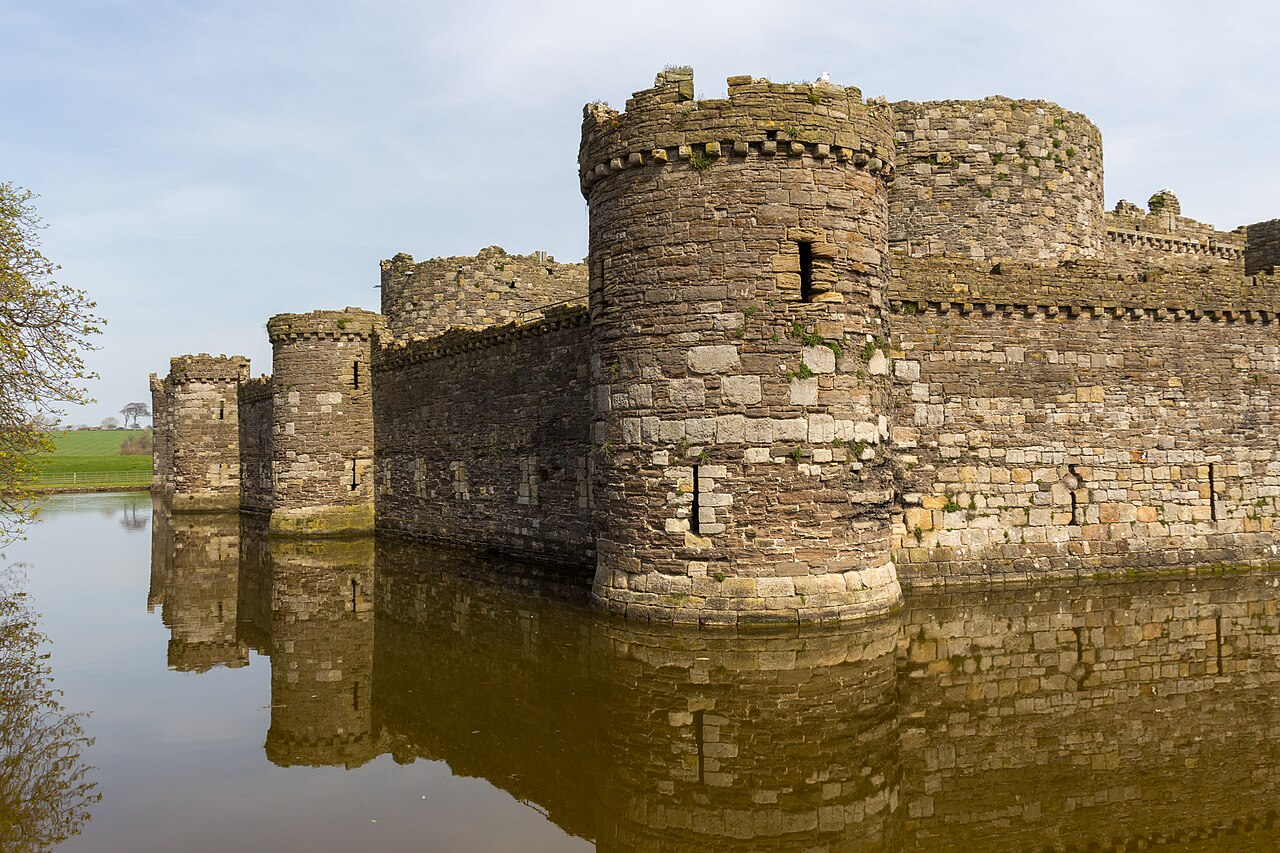
Photo: Mike Peel · CC BY-SA 4.0 via Wikimedia Commons

Stop 5 · Beaumaris, Ynys Môn (Anglesey)

Beaumaris Castle (Castell Biwmares)

In the conquest

The last of Edward's royal castles in Wales, started in 1295 after the rising led by Madog ap Llywelyn. It stands on Ynys Môn, the fertile island known as Môn mam Cymru, mother of Wales. Edward's troops demolished the Welsh port of Llanfaes, a mile away, and moved many of its people to a new town at Newborough.

The real history

The plan was four concentric rings of defences, with a moat that had its own dock and 300 arrow loops in the outer walls. Money ran short and trouble in Scotland took the king's attention, so work had petered out by the 1320s. That is why the towers are so squat: they never reached their intended height.

When you visit

Reached from the A5 over the Menai Bridge and along the A545. The main town car park is opposite the castle, and you enter over a short wooden bridge beside the moat.

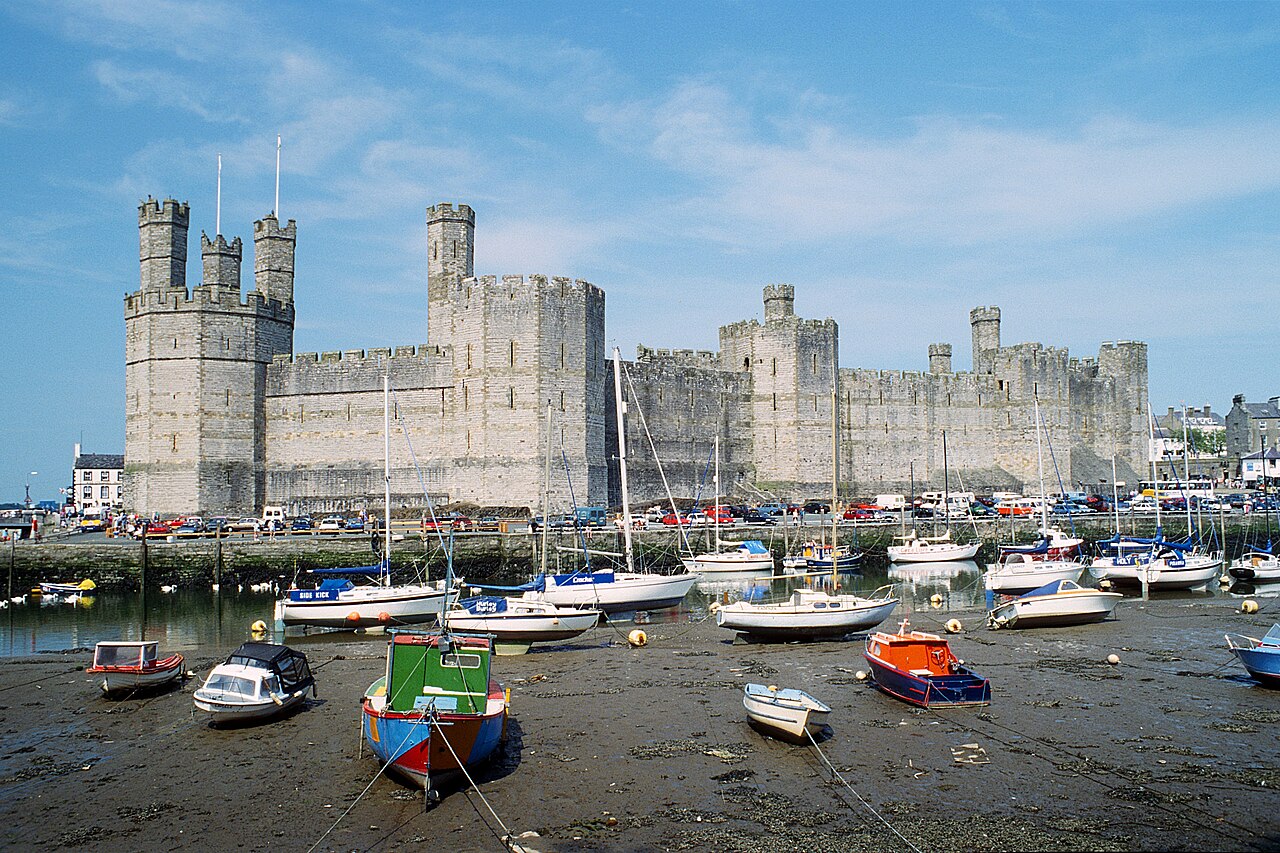
Castell Caernarfon
Photo: Herbert Ortner · CC BY 4.0 via Wikimedia Commons

Stop 6 · Caernarfon, Gwynedd

Castell Caernarfon

In the conquest

The seat of Edward's new government in north Wales, begun in 1283 with its town walls and quay. The banded stone and polygonal towers refer to the walls of Constantinople and to the Welsh tale of Macsen Wledig, turning a Welsh legend into a claim to rule. Madog ap Llywelyn's rebels captured and burned it in 1294, and Edward retook it the next year.

The real history

Queen Eleanor gave birth to the future Edward II here on 25 April 1284, and in 1301 he became the first English Prince of Wales. The building went on for 47 years at a cost of about £25,000 and was still incomplete around 1330. The investitures of 1911 and 1969 took place inside.

When you visit

The nearest car park is the long stay on the waterfront, with a short steep climb to the entrance. There is a lift to the upper levels of the King's Gate. Cadw asks anyone who may need help in an evacuation to book a timeslot.

Day 3: Through Eryri to the castles of the princes

53 miles driving. Stay: Criccieth

Castell Dolbadarn
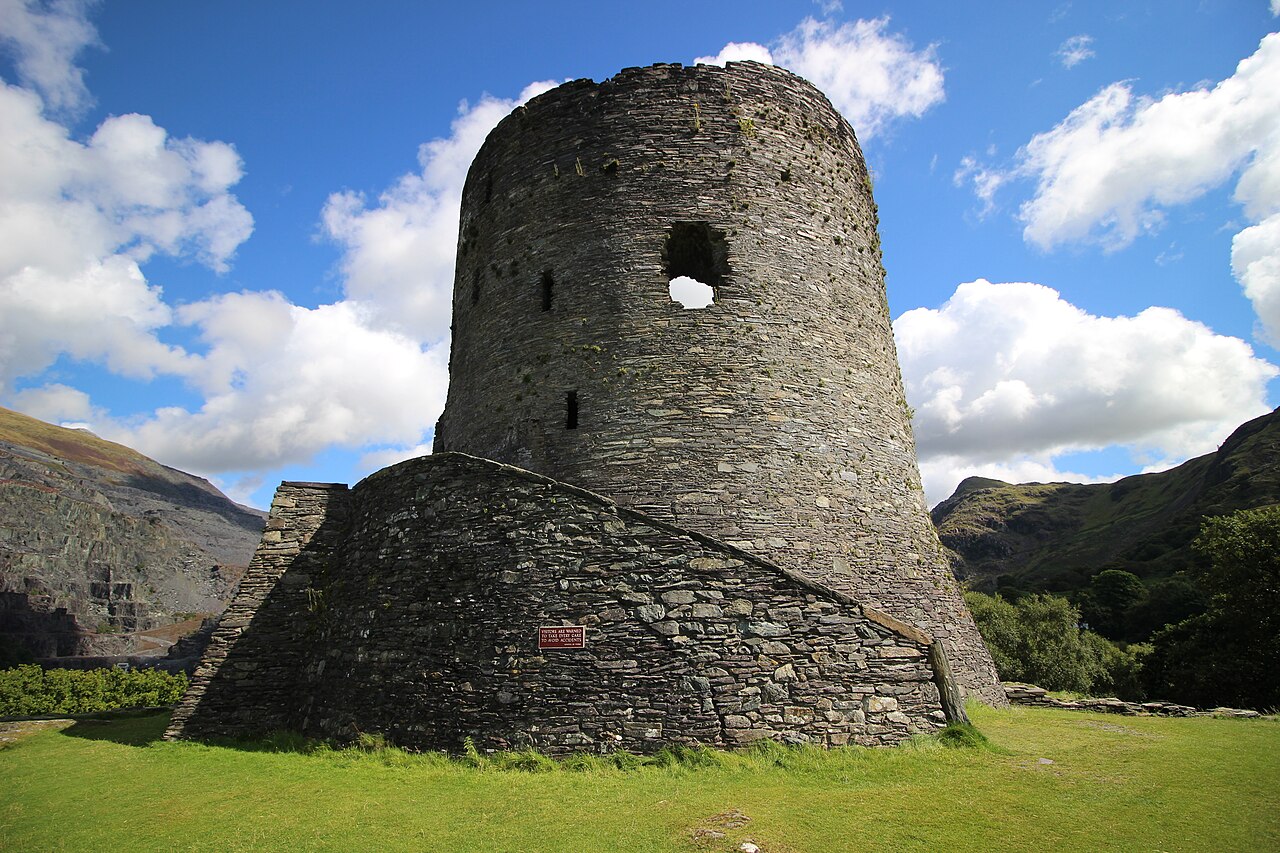
Photo: Beep boop beep · CC BY-SA 4.0 via Wikimedia Commons

Stop 7 · Llanberis, Gwynedd

Castell Dolbadarn

In the conquest

A native castle of the other side. Llywelyn ap Iorwerth built it to guard the pass into Eryri. In 1283, a month before he was betrayed, Dafydd ap Gruffudd was still writing letters as Prince of Wales from here. Once Caernarfon was going up, the English partly dismantled and abandoned it.

The real history

The round tower dates from the 1230s and stands 15.2 metres high, in a very different style from the unmortared slate of the older curtain walls. The Royal Commission says it was probably where Owain ap Gruffudd was held from 1255 to 1277, a captivity of 22 years. His captor was his own brother, Llywelyn ap Gruffudd.

When you visit

Free and open in daylight hours, with a pay and display car park across the A4086. Cadw allows 10 to 25 minutes on foot from the car park on farm tracks, with a steeper finish that can be slippery.

Castell Dolwyddelan
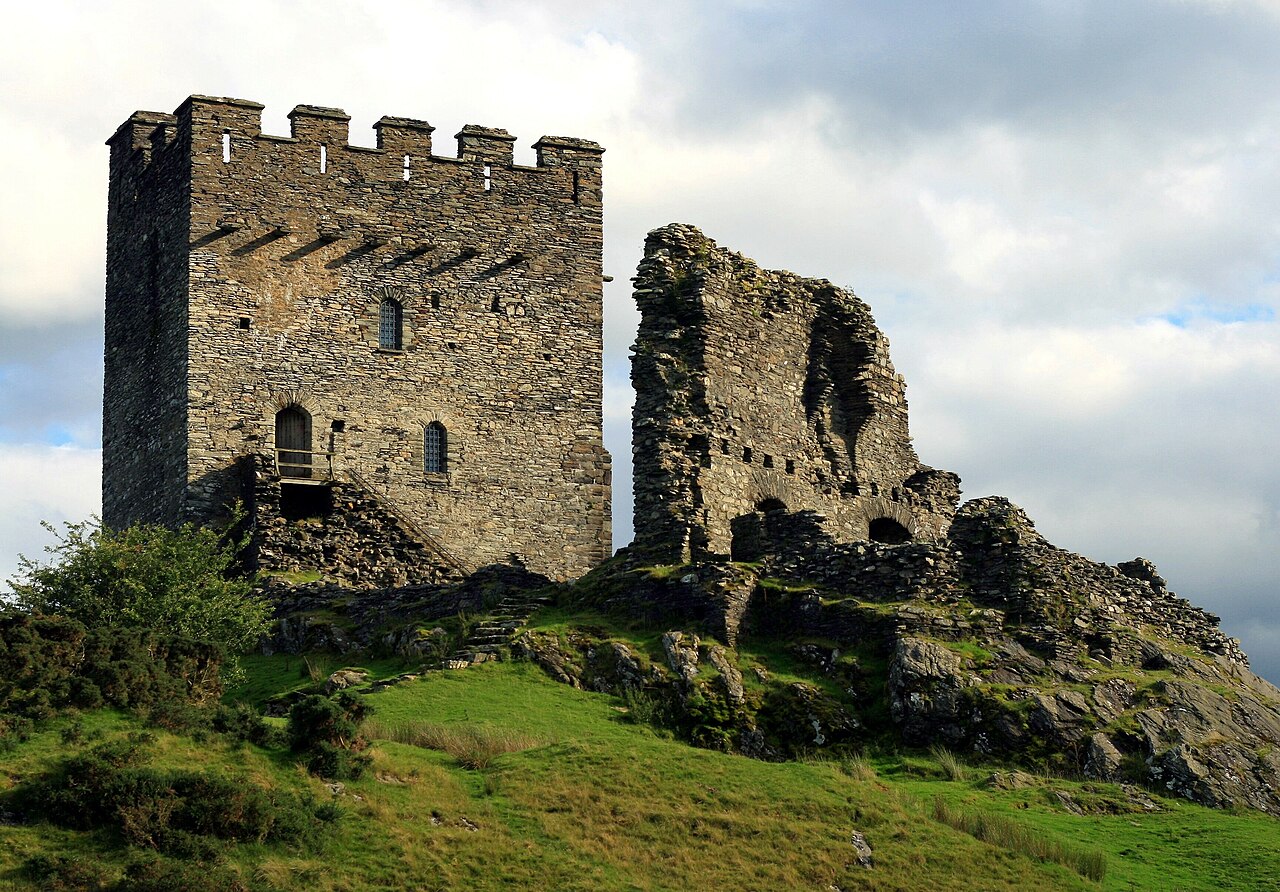
Photo: Jeff Buck · CC BY-SA 2.0 via Wikimedia Commons

Stop 8 · Dolwyddelan, Conwy county

Castell Dolwyddelan

In the conquest

Llywelyn ap Iorwerth began this keep some time after 1210, on a route through the mountains. It fell to Edward in 1283, a key moment in the campaign. The garrison was issued white tunics as winter camouflage, and the English raised the keep and installed a stone throwing engine.

The real history

Cadw says fewer than 40 of the more than 470 castles in Wales were definitely built by native hands. The battlements on top are not medieval: Lord Willoughby de Eresby added them in the 19th century, and you can see the join.

When you visit

There is no car park. Use the layby on the A470, 500 metres east, and follow the signed route of about 15 minutes. Do not use the farm drive, which is private. Interior access is limited to certain days in summer, so check before you go; the outside can be seen at other times.

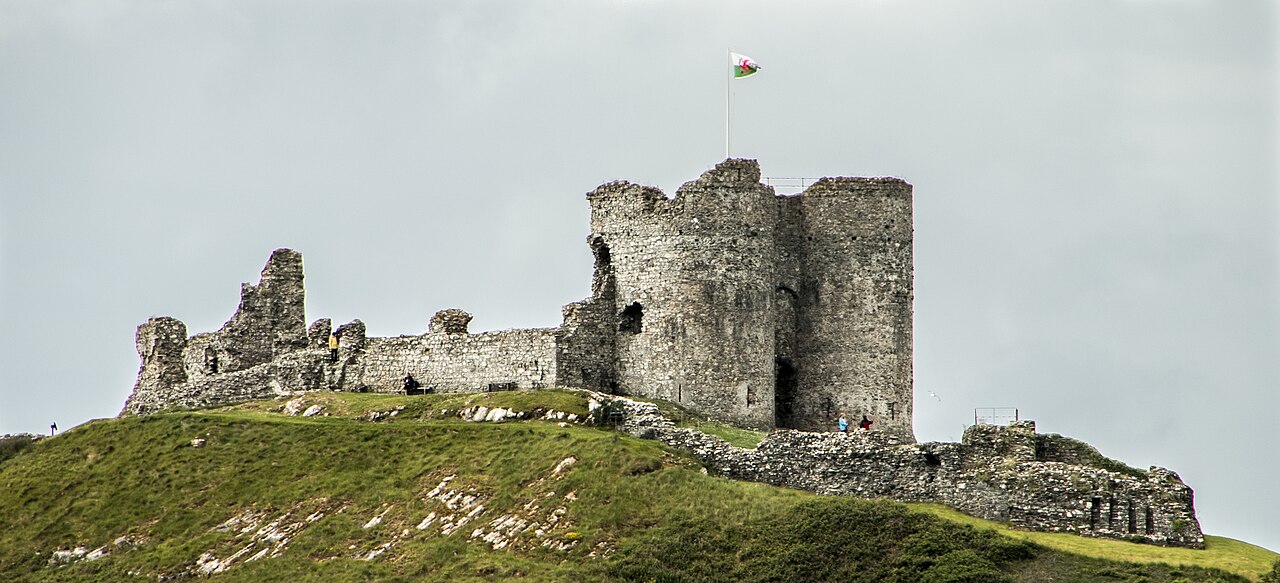
Castell Cricieth
Photo: Barry Skeates from newbury, UK · CC BY 2.0 via Wikimedia Commons

Stop 9 · Cricieth (Criccieth), Gwynedd

Castell Cricieth

In the conquest

Built by both Llywelyns: the grandfather made the gatehouse, the grandson added the outer ward and towers. It could not hold out against Edward, who fitted the north tower with a stone throwing machine. This is a Welsh castle that the English then held.

The real history

The Welsh poet Iolo Goch described its court under Sir Hywel y Fwyall, Sir Hywel of the Axe, constable for more than 20 years until 1381 and one of the first Welshmen in such a post. Owain Glyndŵr burned it in 1404, and a poet then described the castle as useless. Turner later painted the ruin.

When you visit

No dedicated parking. Use street parking in the town or the esplanade car park, about 400 metres away. Opening days are reduced in winter, so check before you go.

Day 4: Harlech and Castell y Bere

55 miles driving. Stay: Tywyn

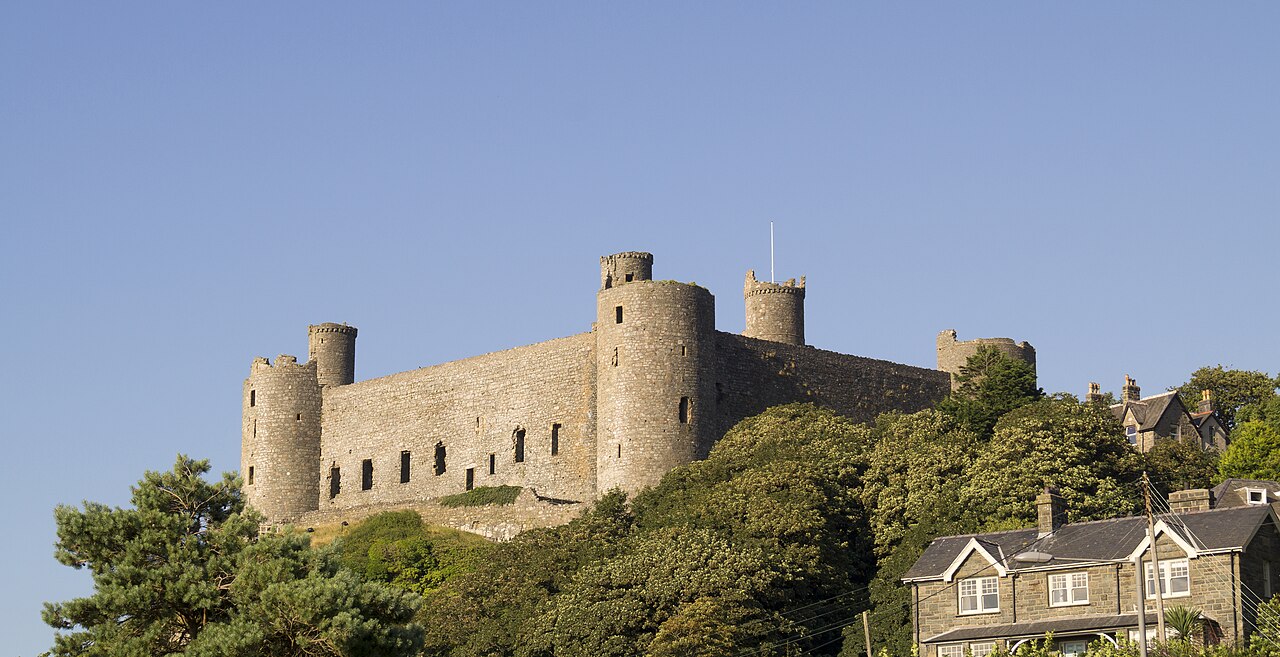
Castell Harlech
Photo: Cmao20 · CC BY-SA 4.0 via Wikimedia Commons

Stop 10 · Harlech, Gwynedd

Castell Harlech

In the conquest

Begun in May 1283 and largely finished by 1289, in the same campaign as Conwy and Caernarfon. During Madog's rising in 1294 it was cut off by land, but it held out because ships could supply it up the 108 steps of the Way from the Sea. James of St George was its constable from 1290 to 1293.

The real history

The sea reached the foot of the cliff when it was built; silt has since left it well inland. Owain Glyndŵr took it in 1404 and held his court here until 1409. Yorkists took it in 1468, and in 1647 it was the last Royalist stronghold to fall.

When you visit

Pay and display parking in front of the visitor centre and café. The castle is entered by a modern footbridge at the original gatehouse level. Reached on the A496 from Barmouth or Porthmadog.

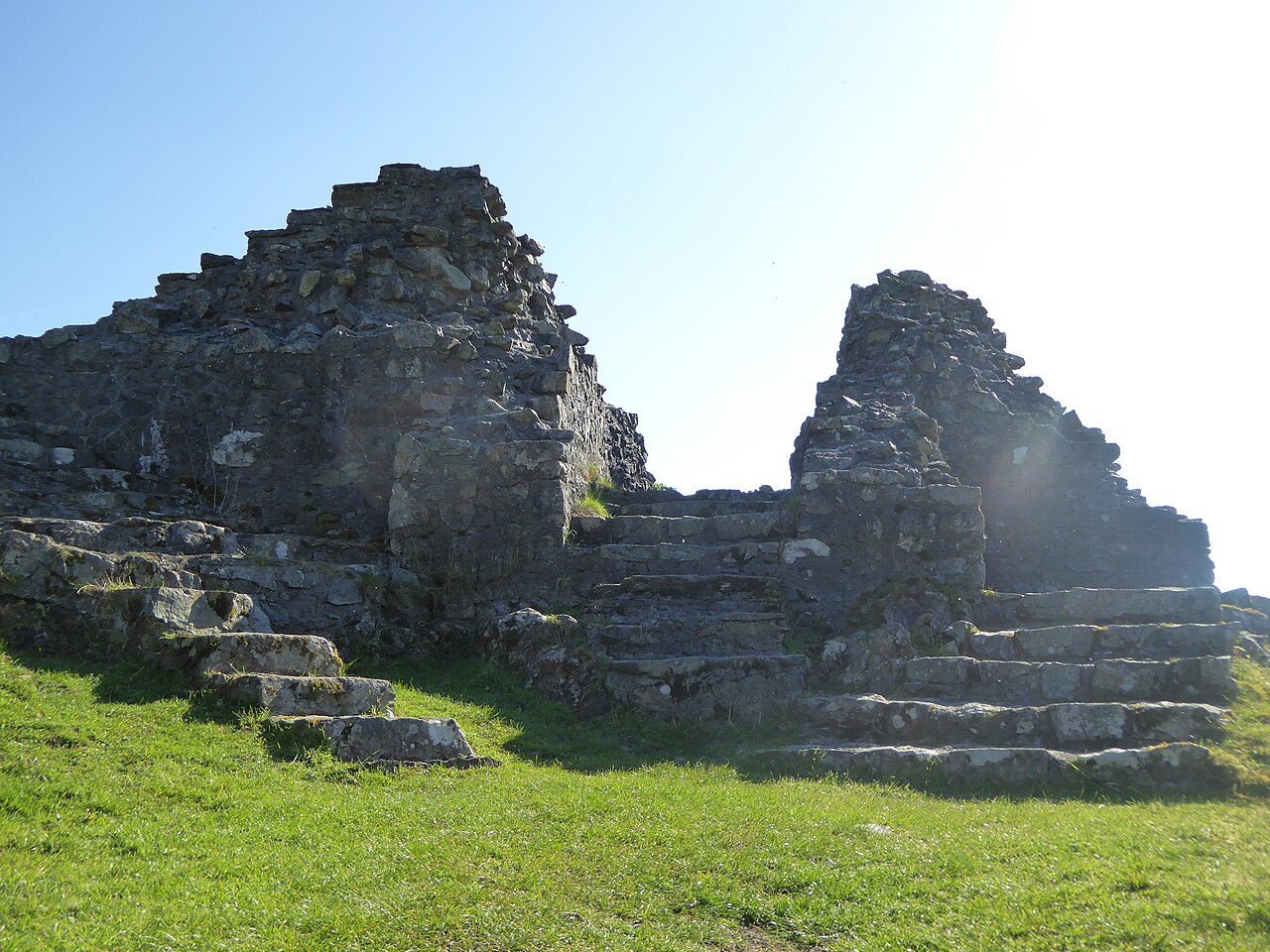
Castell y Bere
Photo: Llywelyn2000 · CC BY-SA 4.0 via Wikimedia Commons

Stop 11 · Llanfihangel-y-Pennant, Dysynni valley, Gwynedd

Castell y Bere

In the conquest

Gwynedd's southern frontier castle. Llywelyn ap Iorwerth built it from 1221 on land he took from his son Gruffudd, to protect the edge of his territory. It surrendered to Edward in April 1283, two months before Dafydd ap Gruffudd's resistance ended, and the English added walls and started a small borough.

The real history

Its entrance, with ditches, two gate towers and drawbridges, is unlike any other in a Welsh castle, and Cadw says it would have been advanced by English standards too. The English abandoned the site in the rising of 1294 to 1295, and it then vanishes from the record until the ruins were cleared in 1851.

When you visit

Free, in woodland off the B4405 near Llanfihangel-y-Pennant. The car park is small and the lane is narrow, so do not park on the road or at the neighbouring property. Cadw rates the terrain strenuous, with uneven steps that can be slippery.

You will unlock the Edward I Castles Explorer badge

  1. Plan the trip

    Add this tour to your account. All 11 stops go in for you.

  2. Drive the trip

    Record your drives in the PYRT app and reach each stop. Any order is fine, and it can take more than one trip.

  3. Get the badge

    Reach the last stop and the Edward I Castles Explorer badge is yours.

What we left out, and why

The baby prince who spoke no English

The story says Edward held up his newborn son at Caernarfon as a prince who could speak no English. It comes from David Powel's history of 1584, and there is no evidence for it from the time. Edward of Caernarfon was named Prince of Wales in 1301, aged 16. Cadw still repeats a version of the line, so you may meet it at the castles.

Aberystwyth and Builth

Cadw lists these with Flint and Rhuddlan as the four new royal castles after the war of 1277. They are in mid Wales, far from this line, and adding them would turn a north Wales drive into a long detour south.

Deganwy

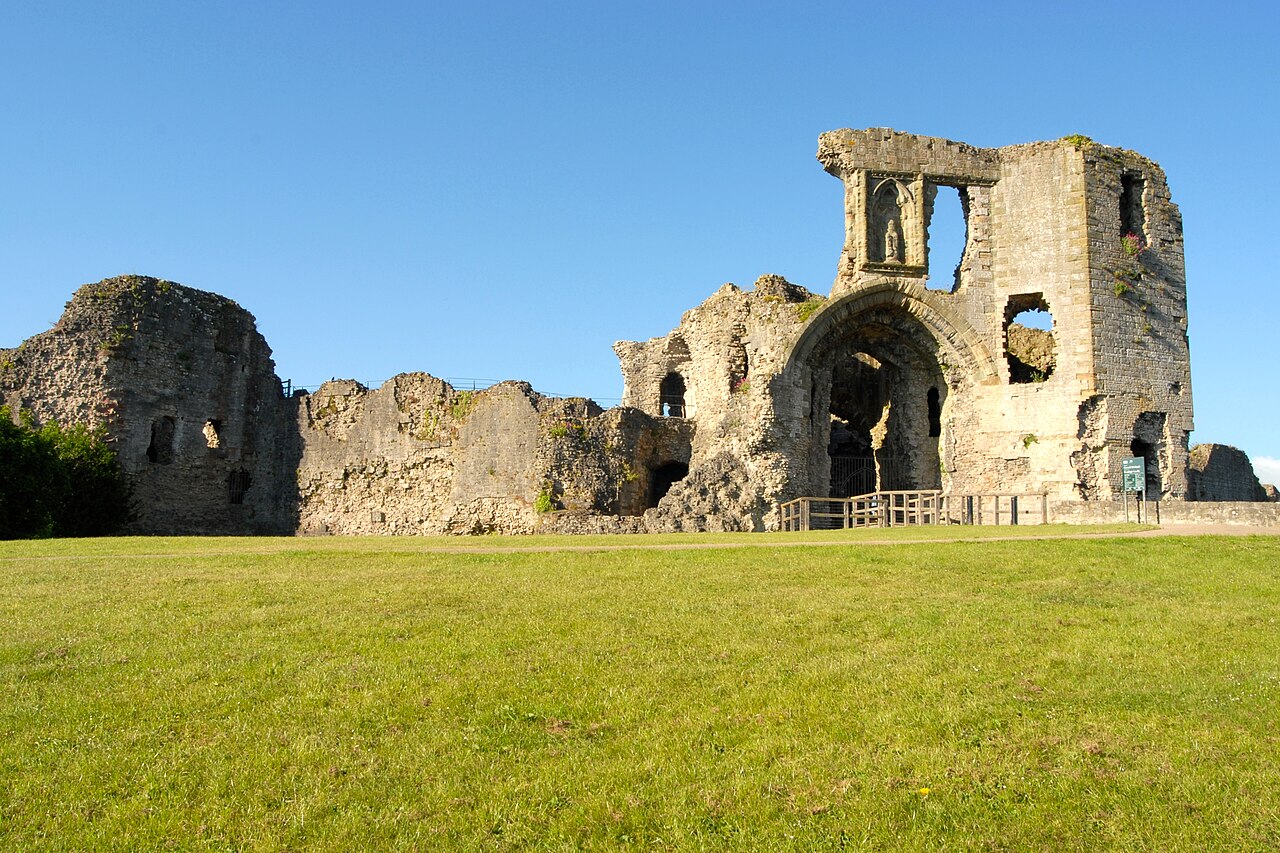
Deganwy sometimes turns up in lists of castles around Conwy, but its ruins are from a castle built by Henry III in 1245 to 1250, which Llywelyn ap Gruffudd destroyed after a long siege. It was gone before Edward's war, so it is not part of his building.

Castell Ewloe

A native castle, probably begun by Llywelyn ap Iorwerth some time after 1210, in a wooded hollow about 4.4 miles from Flint. It fits the Welsh side of the story and is an easy addition if you start early. It is left out only to keep the day shorter, and the route already has four Welsh castles.

Common questions

How many castles did Edward I build in Wales?

Cadw says he had a hand in creating no fewer than 17 castles in Wales. The four finest, Beaumaris, Caernarfon, Conwy and Harlech, are the World Heritage Site.

Which Edward I castles are a World Heritage Site?

Beaumaris, Caernarfon, Conwy and Harlech, with the town walls of Caernarfon and Conwy. They were inscribed by UNESCO in 1986 as the Castles and Town Walls of King Edward in Gwynedd.

What was the Iron Ring of castles?

It is the name often used for Edward's chain of castles around Eryri, used by Cadw and the Royal Commission. The castles were not built as one project: they went up in stages between 1277 and the 1290s.

Who designed Edward I's castles?

Master James of St George, the king's chief architect, worked on the main group. UNESCO describes Beaumaris and Harlech as his masterpieces, and he was constable of Harlech from 1290 to 1293. Denbigh is a different case, built for Henry de Lacy.

How long does it take to drive the Edward I castles?

Allow four days to see all 11 stops. The driving itself is about 200 miles and under six hours in total, so most of each day goes on the castles. The longest leg is Harlech to Castell y Bere, about 40 miles.

Is Men of Harlech about Edward I's castle?

Not about the conquest. The song is linked to later sieges: Cadw and the Royal Commission point to the Yorkist siege of 1468, and Cadw says the defenders of Owain Glyndŵr's time in 1409 are another candidate. Neither is proven.