Steam train crossing Glenfinnan Viaduct

Driving tours · Unofficial guide

Downton Abbey filming locations road trip

Length
5 days
Distance
545 miles
Driving
About 13 hours
Stops
12

Downton is a fictional Yorkshire village, but you can drive to the places that played it. This route links 12 locations from the series and the three films, running from Wiltshire to Northumberland in five days.

Highclere Castle is the centre of it, and it opens only on limited days, so plan around that. The other stops are worth the drive on their own. A house built on sugar money, a prison chapel built to keep inmates apart, and a station that doubled for King's Cross all have their own stories.

Best time to go: Late March to October. Alnwick Castle closes for the winter and several houses keep shorter hours outside summer. Check Highclere's opening days first, then fix the rest of the trip.

How it works

  1. 1

    Add your starting point

    Tell us where you are setting off from. A date is optional.

  2. 2

    Save it to your account

    Every stop goes into a trip that you can change however you like.

  3. 3

    Take it on your phone

    Open the PYRT app with the same account and navigate from stop to stop.

The route, day by day

Day 1: Lacock to Highclere and Basildon Park

76 miles driving. Stay: Wallingford

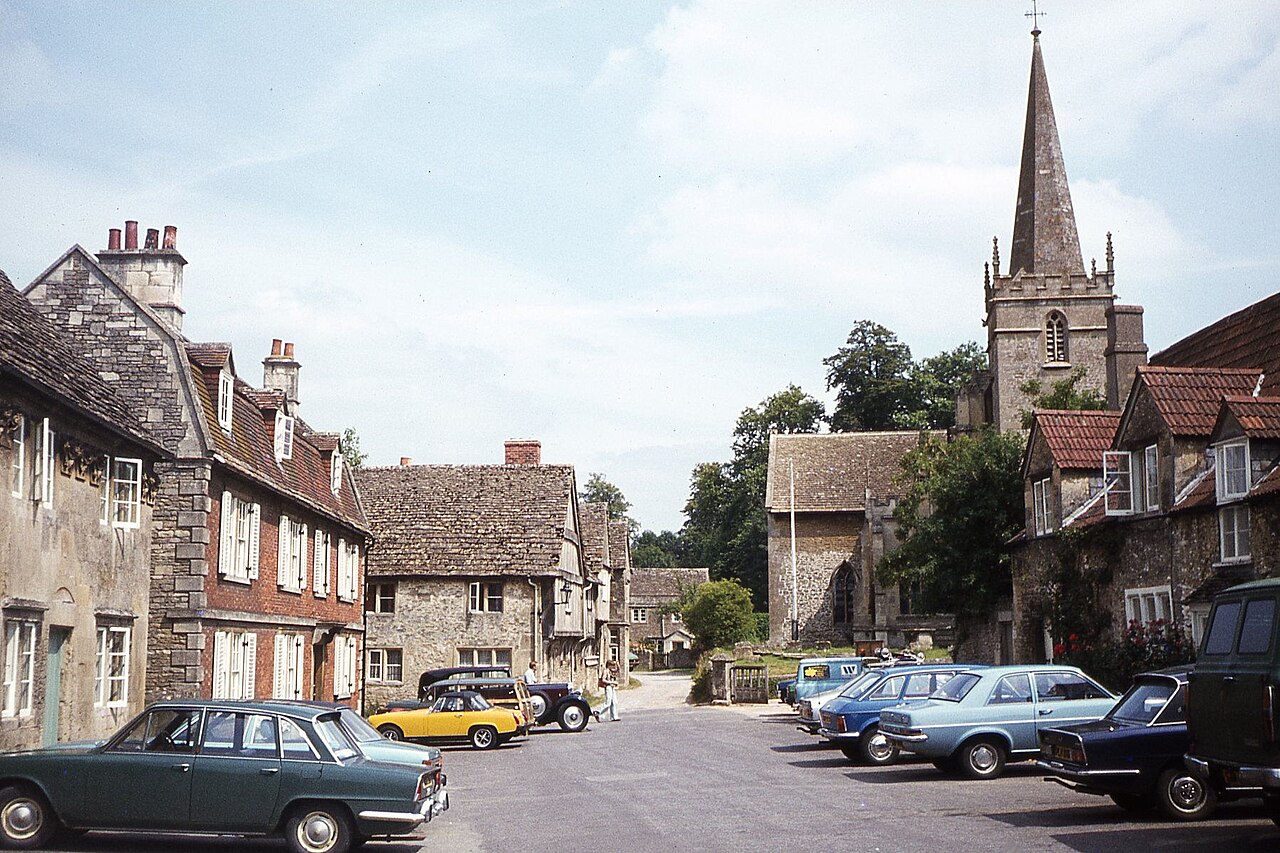
Lacock village
Photo: Colin Park · CC BY-SA 2.0 via Wikimedia Commons

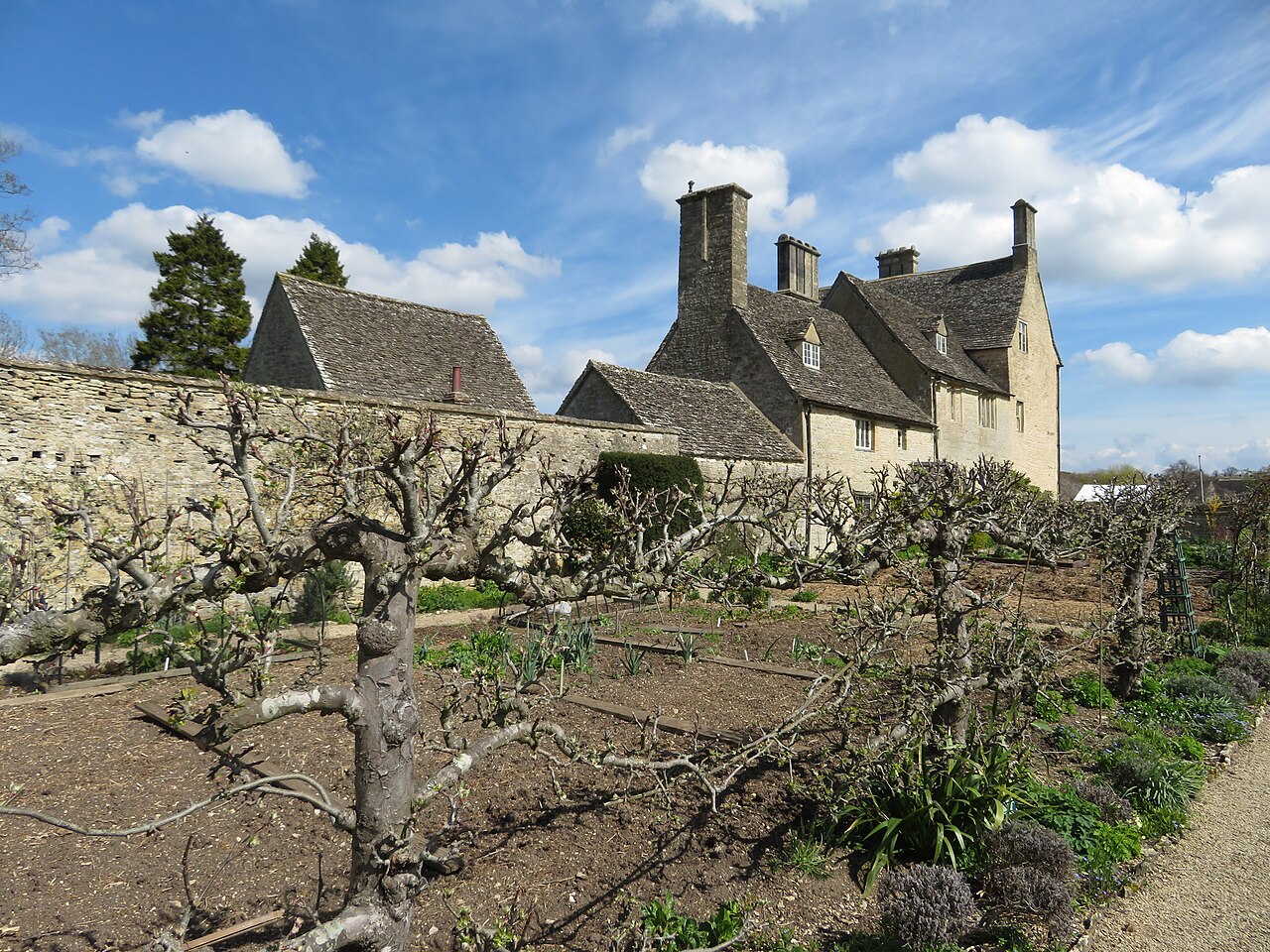
Stop 1 · Wiltshire

Lacock village

In the series

Church Street was dressed as a 1920s livestock market for the final series. In the 2019 film the Royal Artillery ride through the same street during the King's visit to Downton.

The real history

The village is in the Domesday Book and grew on the medieval wool trade. Lacock Abbey was founded in 1232 by Ela, Countess of Salisbury. Henry Fox Talbot, a pioneer of photography, lived at the abbey, and in 1944 Matilda Talbot gave the abbey and almost the whole village to the National Trust. That is why it still looks the way it does.

When you visit

People live in these houses, so stay on the streets. Use the National Trust car park rather than driving into the village. Check abbey opening before you go, as it is separate from the village.
Highclere Castle
Photo: Richard Munckton from Windsor, Melbourne, Australia · CC BY 2.0 via Wikimedia Commons

Stop 2 · Hampshire

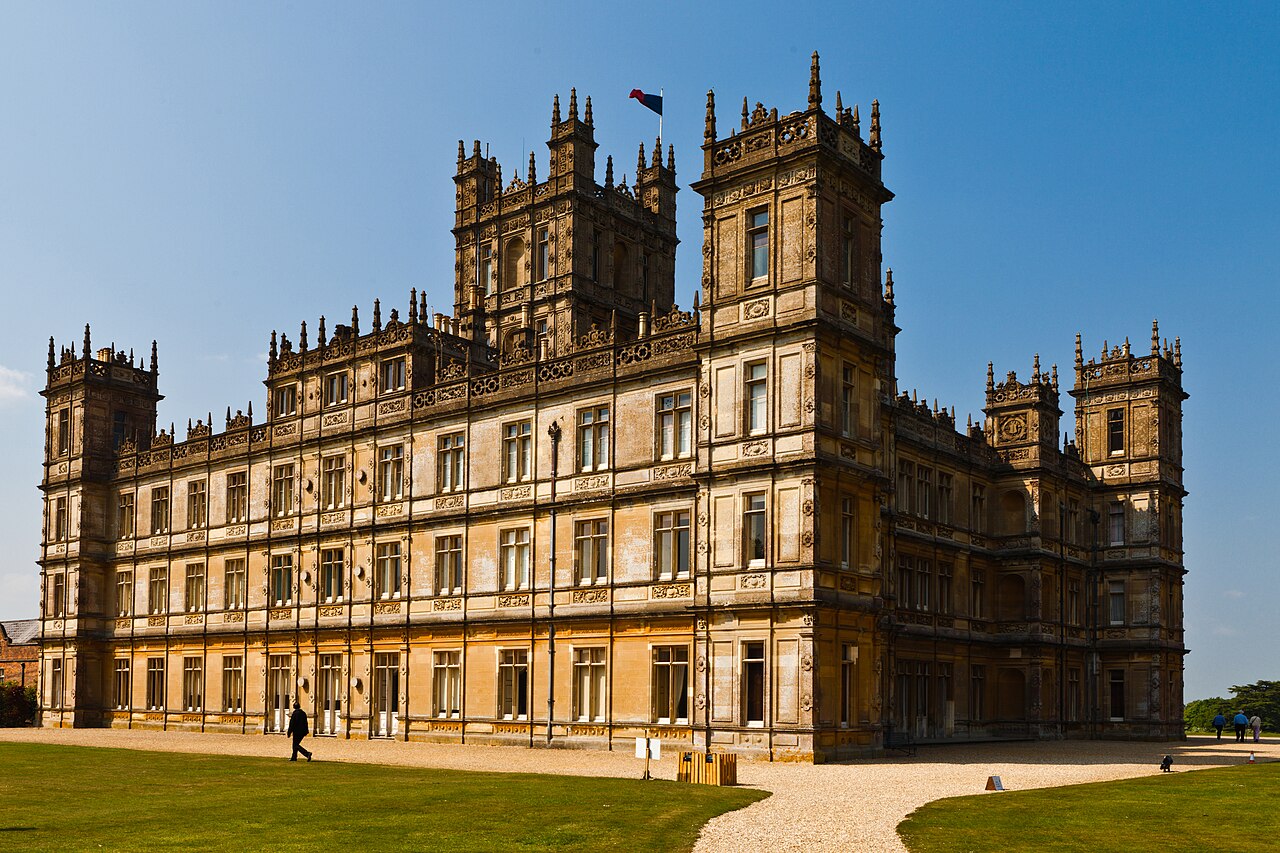
Highclere Castle

In the series

This is Downton Abbey itself, in all six series and all three films. The castle says the grand staircase is where Lady Mary walked on her wedding day, and the state dining room is where the Dowager Countess delivered many of her lines.

The real history

Sir Charles Barry, architect of the Houses of Parliament, turned a plain Georgian house into the present castle from the late 1830s. It is the home of the Earls of Carnarvon. The 5th Earl paid for the excavations that opened Tutankhamun's tomb with Howard Carter in 1922, and there is an exhibition about it in the cellars. In the First World War, Almina, the 5th Countess, ran a hospital for wounded soldiers here.

When you visit

Highclere is a family home and opens only on a limited number of days each year, mostly around seasonal tours. Most tours must be booked ahead, and the dates change every year, so check the castle website before you plan the rest of this route. Book this stop first.

Basildon Park
Photo: grumpylumixuser · CC BY 3.0 via Wikimedia Commons

Stop 3 · Berkshire

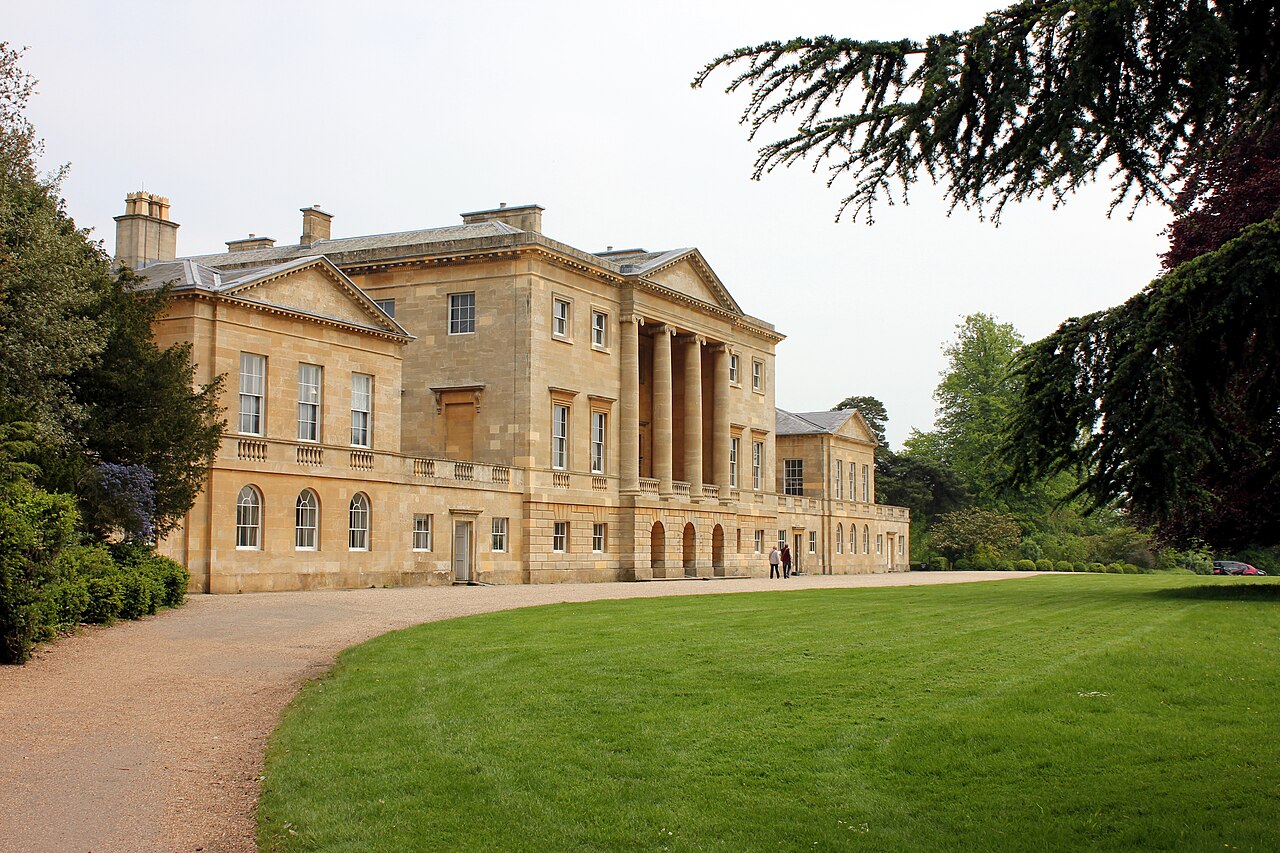
Basildon Park

In the series

Basildon is Grantham House, the Crawleys' London home, in the 2013 Christmas special and series five, including the preparations for Lady Rose's coming out ball and her wedding to Atticus Aldridge. A National Trust filming manager said it had the most screen time of any Trust property in the series and films. Its rooms return in The Grand Finale.

The real history

John Carr of York built the house between 1776 and 1783 for Sir Francis Sykes, who made a fortune with the East India Company. It was never finished in his lifetime. It was stripped after a 1929 sale, damaged further by wartime use, and described as derelict by 1952. Lord and Lady Iliffe spent about 25 years restoring it, partly with fittings saved from demolished houses, and gave it to the National Trust in 1978.

When you visit

National Trust property with a car park in the grounds. House opening is not the same as the park, so check rooms and days before you go.

Day 2: Bampton, Cogges and Wrest Park

104 miles driving. Stay: Bedford

Bampton
Photo: Richard Rogerson · CC BY-SA 2.0 via Wikimedia Commons

Stop 4 · Oxfordshire

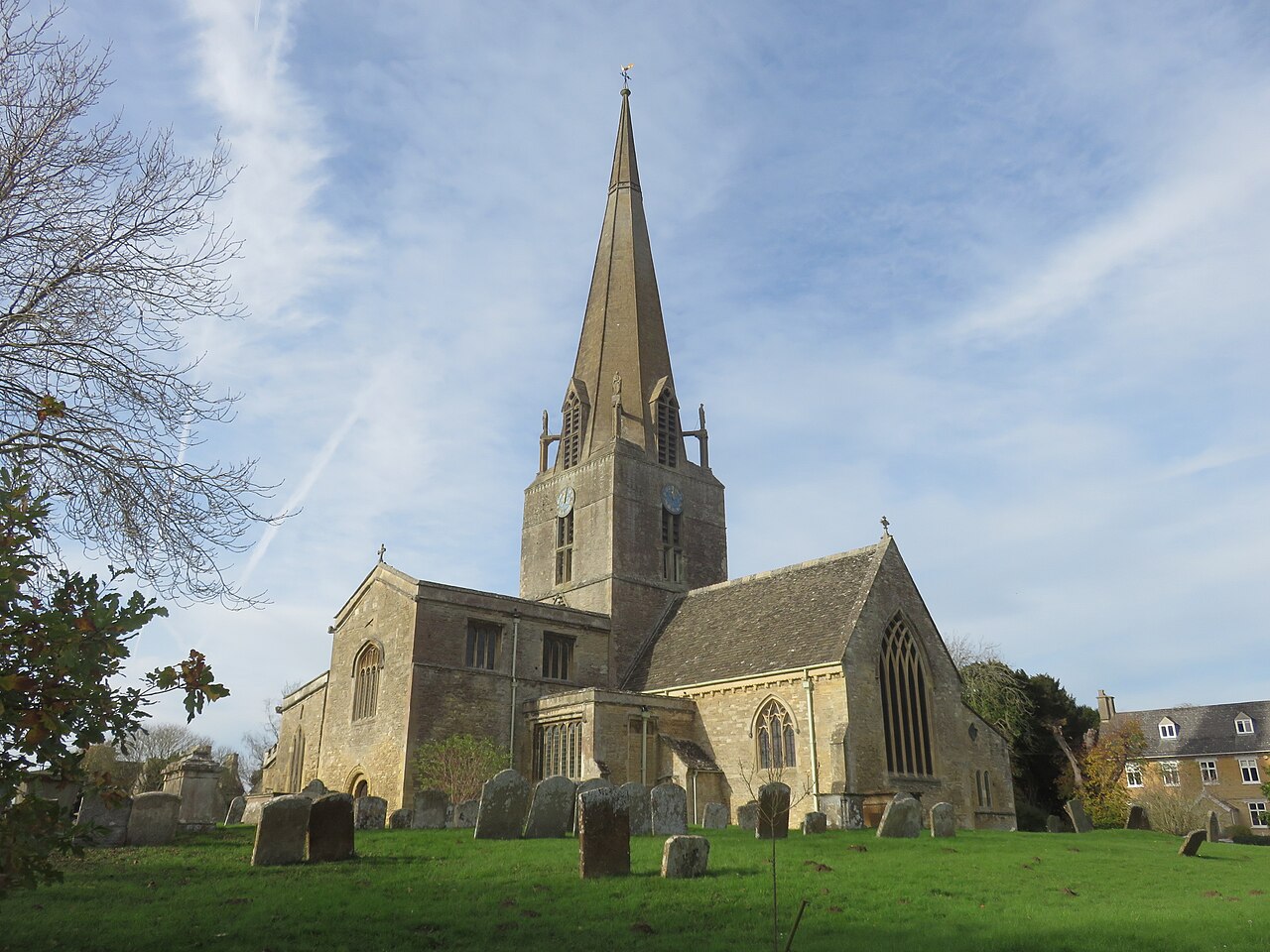
Bampton

In the series

Bampton is the village of Downton. St Mary's Church plays St Michael and All Angels, where Lady Mary married Matthew and baby Sybil was christened. Churchgate House, a few metres away, is the outside of Isobel Crawley's house, and the gate beside the library is the entrance to the cottage hospital.

The real history

St Mary's stands on the site of a late Anglo-Saxon minster dating from 950 or earlier. William the Conqueror gave the church to Leofric, Bishop of Exeter, in 1069. The Anglo-Saxon herringbone stonework in the tower is the oldest part still standing, and the spire was added in a remodelling around 1270.

When you visit

This is a working village and some of the buildings seen on screen are private homes, so look from the street and park with care. The parish says the church is usually open by day, and backstage filming photos hang inside.

Cogges Manor Farm
Photo: Gareth James · CC BY-SA 2.0 via Wikimedia Commons

Stop 5 · Witney, Oxfordshire

Cogges Manor Farm

In the series

Cogges is Yew Tree Farm in series four to six. It is the Drewe family's home, where Lady Edith's daughter is raised, and later Mr Mason's farm.

The real history

The site has been at the heart of Witney for about 1,000 years. The kitchen is the oldest part of the manor house, with medieval and Tudor traces. The Blake family remodelled the upper floors in the 1680s, and from the 1740s to the 1760s it was a boys' boarding school.

When you visit

Now run as a heritage site by a charitable trust. Opening varies through the year, so check before you go.

Wrest Park
Photo: Michael Garlick · CC BY-SA 2.0 via Wikimedia Commons

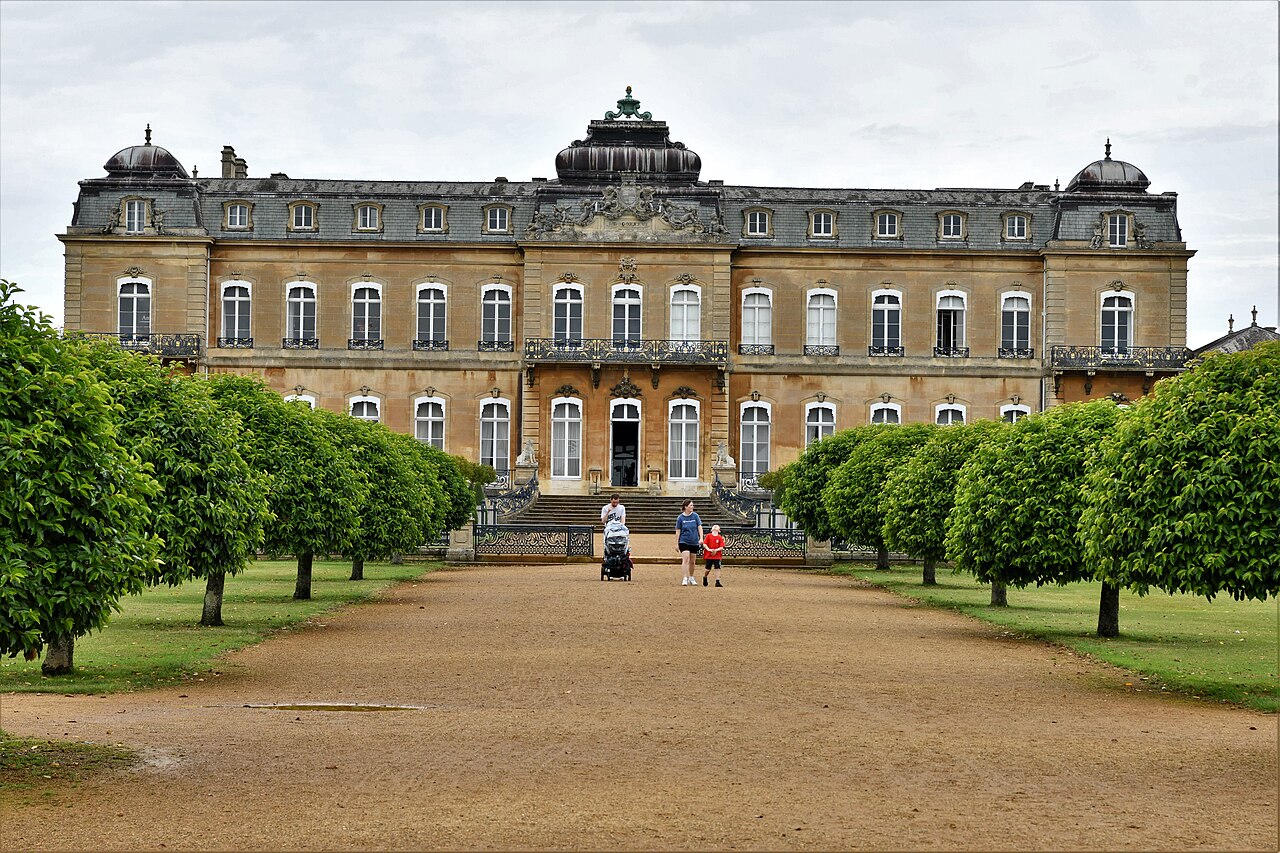
Stop 6 · Silsoe, Bedfordshire

Wrest Park

In the series

The gardens stand in for the grounds of Villa Rocabella, the French villa left to Lady Violet in Downton Abbey: A New Era.

The real history

The grounds were laid out over two centuries, with a pavilion by Thomas Archer built between 1709 and 1711 and later work by Capability Brown. The 2nd Earl de Grey pulled down the old house and built this one between 1834 and 1839 in an 18th century French style, a useful look for a film set in France. In 1914 it opened as a hospital for wounded soldiers, and a fire in 1916 ended that. English Heritage took over in 2006 and is restoring the gardens to how they were before 1917.

When you visit

English Heritage site. It is not open every day and the mansion sometimes closes for filming while the grounds stay open, so check before you go.

Day 3: Lincoln and Wentworth Woodhouse

158 miles driving. Stay: Rotherham

Lincoln Castle
Photo: David Hawgood · CC BY-SA 2.0 via Wikimedia Commons

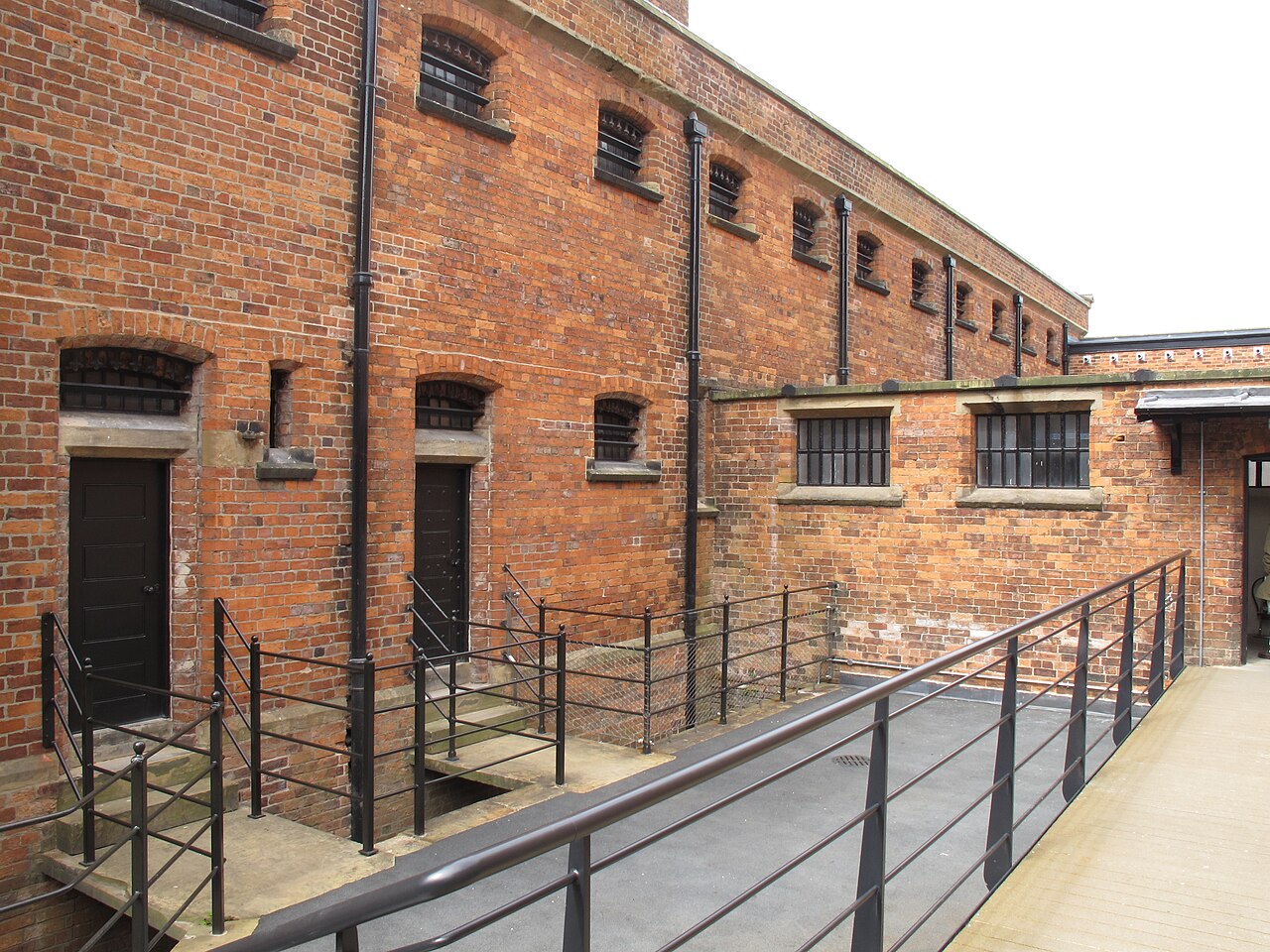
Stop 7 · Lincoln, Lincolnshire

Lincoln Castle

In the series

The Victorian prison plays York Prison, where John Bates is held after being wrongly convicted in series three. Its cells and exercise yard were used for filming.

The real history

The Normans built a castle on this hilltop in 1068, using stone from the Roman city. Lincoln's 1215 Magna Carta, one of four surviving originals, is kept in a vault here. The prison was run on the separate system, which kept inmates apart to force reflection, and its chapel, where prisoners sat segregated in upright stalls, is the only original of its kind left. Courts still sit inside the walls.

When you visit

Ticketed site. Parts of it, such as the wall walk, can close for work, so check what is open. Use a car park in the city and walk up to the castle.

Wentworth Woodhouse
Photo: Andrew Abbott · CC BY-SA 2.0 via Wikimedia Commons

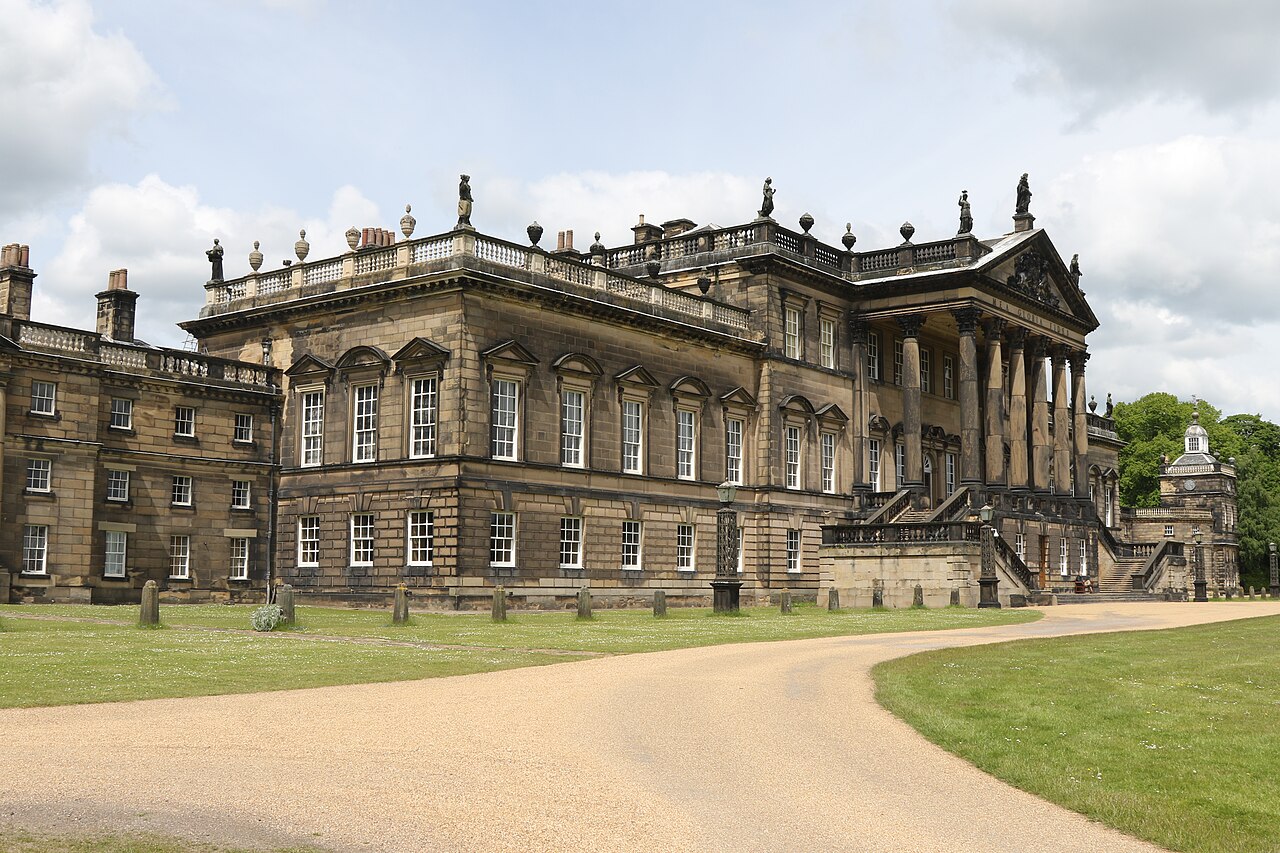
Stop 8 · Rotherham, South Yorkshire

Wentworth Woodhouse

In the series

The ballroom sequence at the end of the 2019 film was shot here. The story has the King and Queen visiting Yorkshire, and this house has a real royal visit of its own: George V and Queen Mary stayed for four days in July 1912.

The real history

Building started in 1725 and additions were finished in 1772. The house later passed to the Earls Fitzwilliam, who owned it until 1989. In 1946 the government ordered open cast mining in the gardens, and about 132,000 tons of coal were dug out. It is now owned by a preservation trust, and money raised from filming goes back into the building.

When you visit

Check the trust's website for tours and events, and book before you travel.

Day 4: Harewood and Pickering

89 miles driving. Stay: Pickering

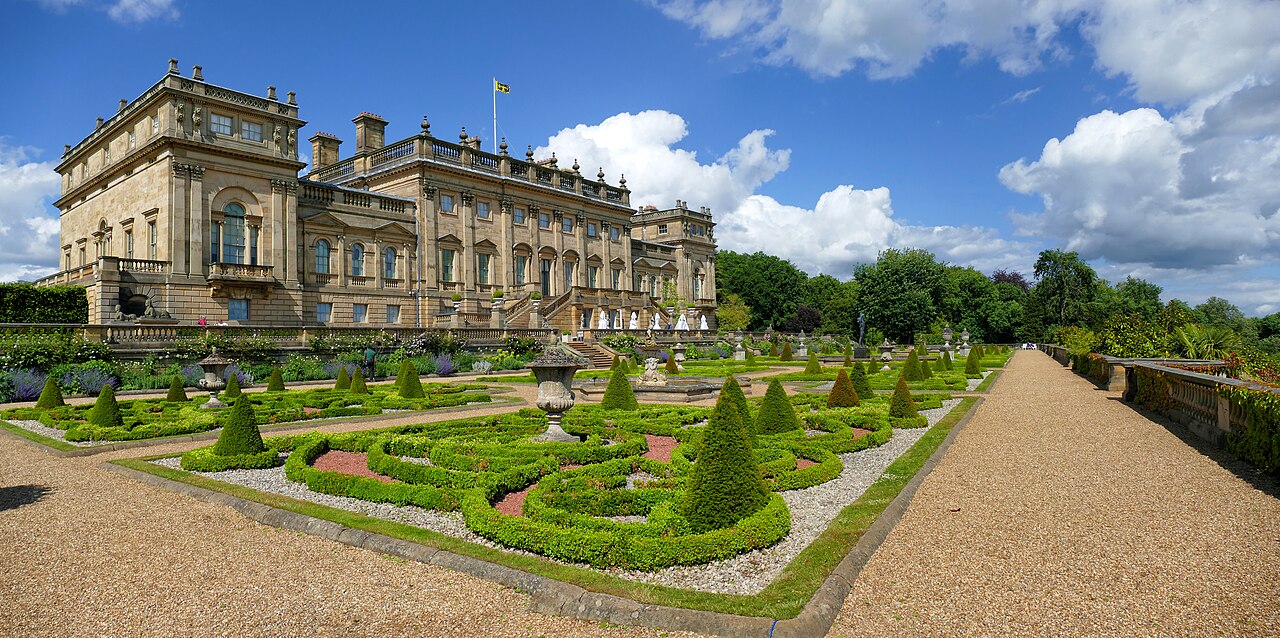
Harewood House
Photo: Worldfootage · CC BY-SA 4.0 via Wikimedia Commons

Stop 9 · near Leeds, West Yorkshire

Harewood House

In the series

Harewood plays itself in the 2019 film, as the home of Princess Mary, and the Yellow Drawing Room is used for filming. The production designer said the family's furniture was too valuable to risk, so the crew took it out and brought their own.

The real history

Edwin Lascelles started building in 1759 with John Carr, Robert Adam and Thomas Chippendale, and Capability Brown shaped the park from 1772. Harewood is open about where the money came from: the Lascelles fortune was built on Caribbean plantations and the slave trade. The real Princess Mary married into the family in 1922 and moved here in 1930.

When you visit

Run by a charitable trust. Opening varies through the year, so check before you go. Harewood's website has a section on its Caribbean history that is worth reading first.

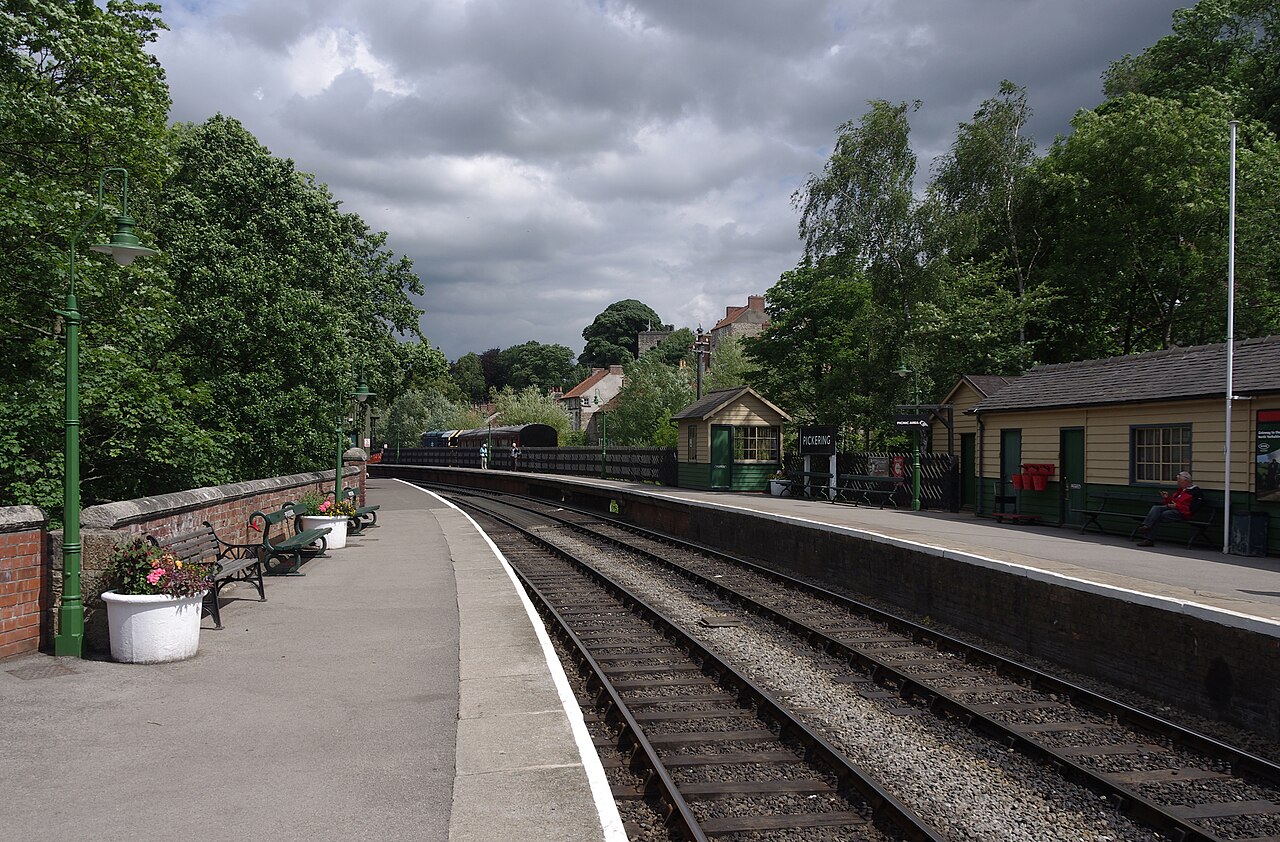
Pickering station, North Yorkshire Moors Railway
Photo: mattbuck (category) · CC BY-SA 3.0 via Wikimedia Commons

Stop 10 · Pickering, North Yorkshire

Pickering station, North Yorkshire Moors Railway

In the series

Pickering was turned into London's King's Cross for the opening scenes of the 2019 film, which were shot here and along the line over seven days.

The real history

The Whitby and Pickering Railway, engineered by George Stephenson, opened in 1836 and was worked by horses at first. The present stone station, by G. T. Andrews, opened in 1846. British Railways closed it in 1965 and the North Yorkshire Moors Railway reopened it in 1975.

When you visit

The station is in the town and you can see it without taking a train. Trains run to a published timetable that changes by season, so check before you go if you want to ride.

Day 5: Beamish and Alnwick

117 miles driving. Stay: Alnwick

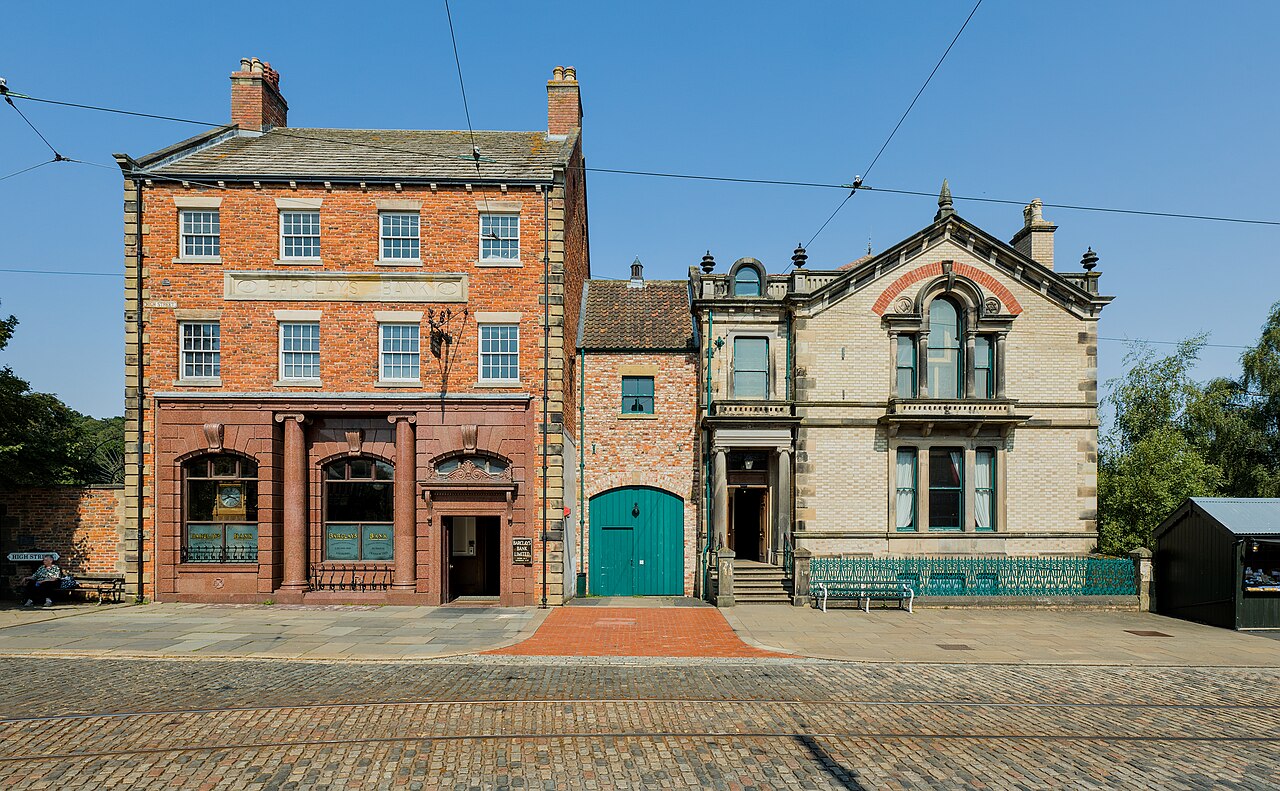
Beamish Museum
Photo: Benjamin Smith · CC BY-SA 4.0 via Wikimedia Commons

Stop 11 · County Durham

Beamish Museum

In the series

The 1900s Town appears in the last episode of the series, on Christmas Day 2015, and in the 2019 film. More than 100 cast and crew came in October 2018. VisitBritain says the garage was used for the 2015 special, and the film's production designer says the crew used the back of a car showroom and the grocer's shop.

The real history

Beamish is an open air museum that rebuilds life in North East England in the 1820s, 1900s, 1940s and 1950s. It is a registered charity and won Art Fund Museum of the Year in 2025.

When you visit

This is a large site, so allow plenty of time. Opening changes through the year, so check before you go.

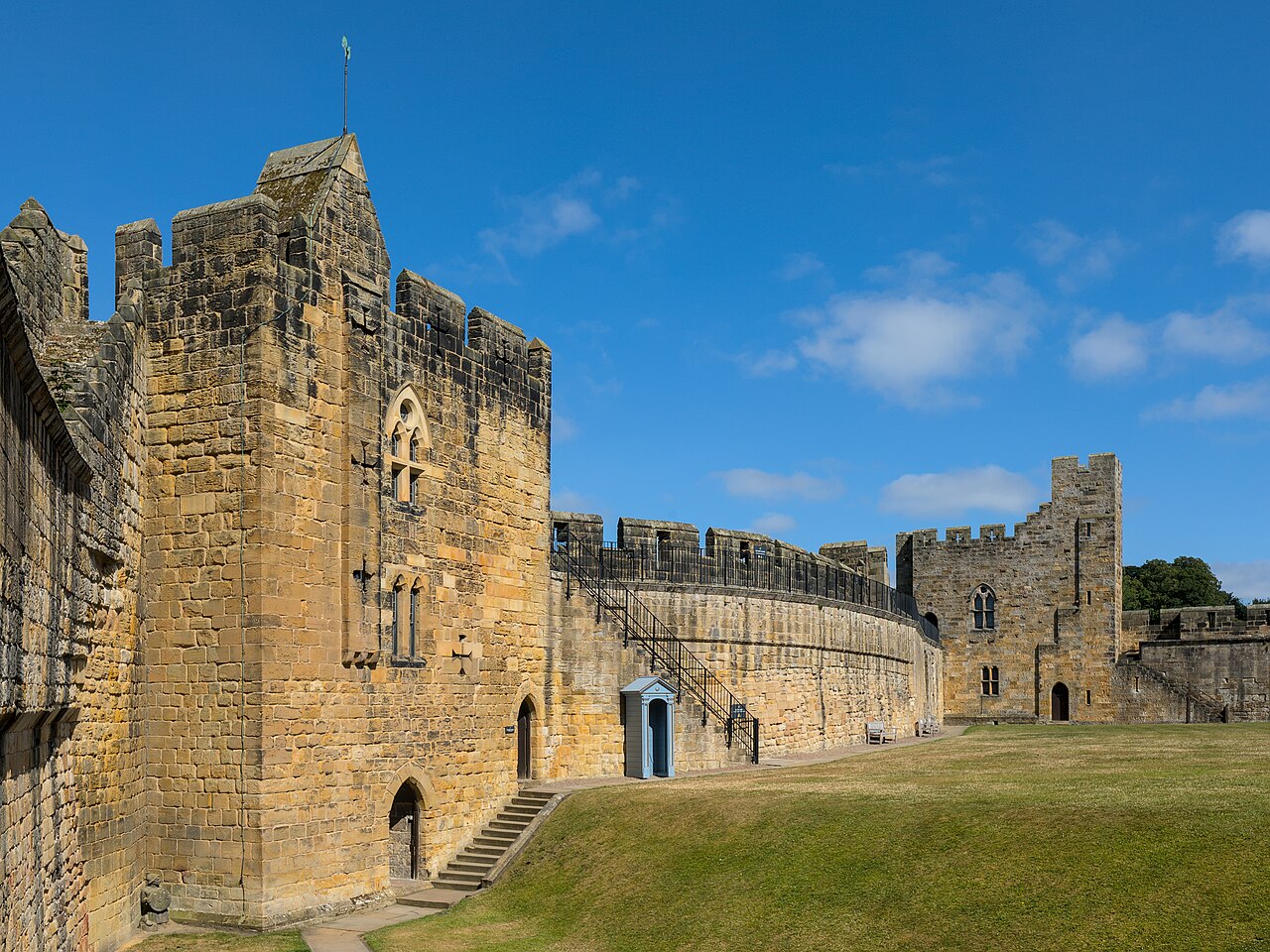
Alnwick Castle
Photo: Benjamin Smith · CC BY-SA 4.0 via Wikimedia Commons

Stop 12 · Northumberland

Alnwick Castle

In the series

Alnwick is Brancaster Castle in two Christmas specials. In 2014's A Moorland Holiday the Library and nearby Hulne Park were used for the shooting party, and in the 2015 finale the State Rooms, the ramparts and Bow Alley appear, with Edith and Bertie Pelham at home.

The real history

The castle is first recorded in 1138. The Percy family bought it in 1309 and have held it since, becoming Dukes of Northumberland in 1766. Twelve Dukes of Northumberland have lived here.

When you visit

Closed in winter: the open season runs from about the end of March to October, and rooms can close for private events or filming. There is a pay car park for the castle and the Alnwick Garden. It is also a Harry Potter filming location.

You will unlock the Downton Locations Explorer badge

  1. Plan the trip

    Add this tour to your account. All 12 stops go in for you.

  2. Drive the trip

    Record your drives in the PYRT app and reach each stop. Any order is fine, and it can take more than one trip.

  3. Get the badge

    Reach the last stop and the Downton Locations Explorer badge is yours.

What we left out, and why

Inveraray Castle and Horsted Keynes station

Both are real locations. Inveraray in Argyll is Duneagle Castle in the 2012 Christmas special, and Horsted Keynes on the Bluebell Railway in Sussex is Downton station. They sit far off this line, one in the west of Scotland and the other south of London, so we kept them out. Both make good day trips if you are nearby.

Claydon House, Greys Court and West Wycombe Park

A National Trust filming manager confirms Claydon and Greys Court, and Claydon appears in The Grand Finale. But the sources say little about what was filmed at Greys Court, and adding all three would turn this into a tour of the Chilterns. West Wycombe is Lady Rosamund's London house, and it would add another detour.

Ripon Racecourse and Harrogate

Cast were seen filming at Ripon Racecourse and at the Great Yorkshire Showground for The Grand Finale, and the trailer shows a day at the races. But these reports come from sightings, and VisitBritain treats Harrogate as rumoured. We did not find a source saying exactly what was shot where, so they are not stops.

The Downton kitchens and servants' hall

You will not see these at Highclere. Production designer Donal Woods says the kitchen, servants' hall and other servants' rooms were sets built at Ealing Studios in London. Some guides also claim Wentworth Woodhouse belongs to A New Era: Screen Yorkshire credits it to the 2019 film, which is what we have used.

Common questions

Where is Downton Abbey actually filmed?

Highclere Castle in Hampshire is the house in all six series and the films. The village scenes were filmed in Bampton, Oxfordshire. The kitchens and servants' areas were sets at Ealing Studios.

Can you visit Highclere Castle?

Yes, but only on limited days each year, and most tours must be booked in advance. It is a family home and the opening calendar changes, so check the castle's own website first.

Is Downton a real village?

No. Downton is fictional and set in Yorkshire. Most of its village scenes were filmed in Bampton in Oxfordshire.

Where was the ball in the 2019 film filmed?

The ballroom sequence was filmed at Wentworth Woodhouse in South Yorkshire, while Harewood House, Princess Mary's home in the story, was used for the Yellow Drawing Room.

How long does the route take?

Allow five days. Each day has about three to four hours of driving, plus time at the stops. Add a day if you want to ride the North Yorkshire Moors Railway.

Is this an official tour?

No. This is an independent travel guide to places you can visit.