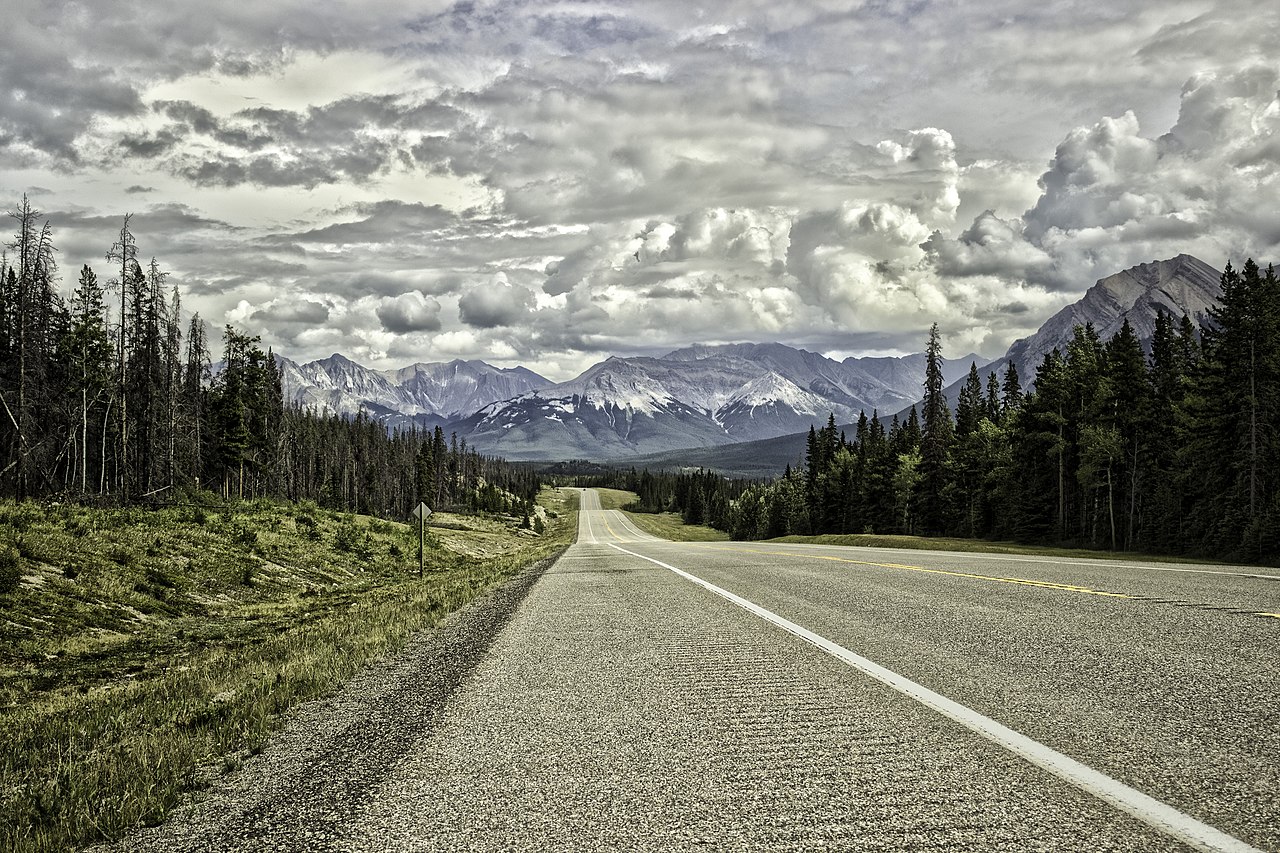
Italy is a country that seems purpose-built for road trips. The geography alone is extraordinary: jagged Alpine peaks in the north give way to rolling Tuscan hills, dramatic volcanic coastlines, and sun-baked Mediterranean islands. Add world-class food, ancient ruins around every corner, and a driving culture that is, shall we say, spirited, and you have the ingredients for unforgettable journeys behind the wheel.
From the vertiginous switchbacks of the Amalfi Coast to the high-altitude loops through the Dolomites, these are the road trips that showcase Italy at its very best. Each route includes practical details to help you plan your own Italian driving adventure.
1. The Amalfi Coast: Italy's Most Famous Drive
The SS163 Amalfitana hugs the cliffs of the Sorrentine Peninsula for 50 kilometres between Sorrento and Salerno, and it is quite simply one of the most beautiful coastal roads in the world. Lemon groves cling to terraced hillsides, pastel-painted villages tumble down to hidden coves, and the Tyrrhenian Sea sparkles impossibly blue far below.
Key Stops Along the Coast
- Positano - The iconic cascade of pink, terracotta, and white buildings tumbling to the beach
- Ravello - Set high above the coast, with the Villa Rufolo gardens offering staggering views
- Amalfi - The historic maritime republic with its Arab-Norman cathedral
- Praiano - Quieter than its neighbours, with excellent sunset views
- Cetara - A working fishing village famous for its anchovy colatura sauce
Pro tip: Drive the Amalfi Coast from east to west (Salerno to Sorrento) so you are on the outside lane with the views. Going the other direction means staring at the cliff face while your passenger gets the scenery. Arrive early in the morning or drive in shoulder season to avoid the worst traffic.
Base yourself in Naples and combine the coast drive with visits to Pompeii, Herculaneum, and the volcanic island of Capri. Allow at least three to four days for this stretch.
2. The Dolomites Loop: Alpine Drama at Its Finest
The Dolomites in northeastern Italy are unlike any other mountain range. Pale limestone towers, known as the Pale Mountains, rise vertically from green meadows and dark forests, creating a landscape that looks almost surreal. The driving roads here are among the most thrilling in Europe, with perfectly engineered switchbacks climbing to passes above 2,000 metres.
Classic Dolomites Circuit
- Bolzano - Start in this bilingual South Tyrolean capital where Italian and Austrian cultures merge
- Val Gardena - A stunning valley of traditional wooden chalets and Ladin culture
- Passo Gardena (2,121 m) - Sweeping views of the Sella massif
- Passo Pordoi (2,239 m) - The highest point of the classic Sella Ronda loop
- Lago di Carezza - A jewel-like lake reflecting the Latemar peaks
- Tre Cime di Lavaredo - Detour to the most iconic rock formation in the Dolomites
- Cortina d'Ampezzo - The glamorous resort town that hosted the 1956 Winter Olympics
The Sella Ronda loop alone is about 60 kilometres and can be driven in half a day, but to explore the wider Dolomites properly, plan four to five days. The passes are typically open from June to October, with July and August being the busiest months.
Pro tip: Consider the Dolomiti Superpass if you plan to use cable cars and chairlifts for high-altitude hiking. Many of the best viewpoints require a short walk from the road.
3. Tuscany: Rolling Hills, Cypress Trees, and Renaissance Towns
Tuscany is the road trip that everyone pictures when they think of Italy: undulating hills striped with vineyards, lone cypress trees lining gravel drives to stone farmhouses, and medieval hilltop towns where the pace of life has barely changed in centuries. The driving is gentle, the distances are short, and the food and wine are world-class.
Essential Tuscan Stops
- Florence - The Renaissance capital; explore on foot and use it as a base
- San Gimignano - The "Medieval Manhattan" with its famous towers
- Siena - A stunning medieval city built around the shell-shaped Piazza del Campo
- Val d'Orcia - The UNESCO-protected landscape of rolling hills and iconic cypress-lined roads
- Montepulciano - Perched high above the valley, famous for its Vino Nobile
- Pienza - The "ideal Renaissance city" with outstanding pecorino cheese
- Montalcino - Home to Brunello, one of Italy's greatest wines
The SP146 through the Val d'Orcia is the single most photographed road in Tuscany. Drive it in the late afternoon golden hour for the best light. A week is ideal for Tuscany, but even three days will give you a wonderful taste of the region.
Plan your Tuscany trip with our route planner to optimise your stops and driving times.
4. Sicily Circuit: Island of Contrasts
Sicily is Italy's largest island and arguably its most diverse. A circumnavigation of Sicily delivers ancient Greek temples, Norman cathedrals, volcanic landscapes, baroque cities, and some of the best street food on the planet. The driving is an adventure in itself, with mountain roads, coastal stretches, and the ever-present backdrop of Mount Etna.
Two-Week Sicily Itinerary
- Palermo (2 nights) - Chaotic, beautiful, with extraordinary Arab-Norman architecture and street food markets
- Trapani and Erice (1 night) - Salt flats, a hilltop medieval town, and fresh couscous reflecting North African influence
- Agrigento (1 night) - The Valley of the Temples, among the best-preserved Greek ruins anywhere
- Ragusa and Modica (2 nights) - Baroque masterpieces rebuilt after a 1693 earthquake, and Modica's famous chocolate
- Syracuse (2 nights) - The island of Ortigia is one of the most atmospheric old towns in all of Italy
- Mount Etna (1 night) - Drive up Europe's most active volcano to nearly 2,000 metres
- Taormina (2 nights) - A glamorous clifftop resort with a Greek theatre framing Etna
- Cefalu (1 night) - A photogenic coastal town with a Norman cathedral and sandy beach
The full circuit is about 900 kilometres. Roads in Sicily vary from excellent motorways to narrow rural tracks, and the local driving style can be animated. Stay alert, embrace the chaos, and you will be rewarded with one of the most memorable trips of your life.
Pro tip: Fill up at staffed petrol stations rather than unmanned ones. Attendants in Sicily will fill your tank and often check your oil and tyres without being asked. Tip a euro or two for good service.
5. Cinque Terre and the Ligurian Coast
The five villages of Cinque Terre, Monterosso, Vernazza, Corniglia, Manarola, and Riomaggiore, are famously best reached by train or on foot. However, the wider Ligurian coastline offers outstanding driving, and combining the two creates a superb short road trip.
Ligurian Driving Route
- Genoa - Start in this underrated port city with its UNESCO-listed old town and pesto birthplace
- Portofino - The impossibly pretty fishing harbour turned celebrity retreat
- Sestri Levante - A peaceful town on a peninsula between two bays
- Cinque Terre - Park at La Spezia or Levanto and take the train between villages
- Portovenere - A quieter, equally beautiful alternative to Cinque Terre at the tip of the Gulf of Poets
- Lerici - Where Shelley spent his last days, with castle views across the bay
The coastal road SS1 between Genoa and La Spezia is stunning but slow due to its winding nature. Budget three to four days for this route. The region is famous for focaccia, pesto, and white wines like Vermentino and Pigato, so stop often and eat well.
Bonus Routes Worth Considering
The Great Dolomite Road (SS48)
Running from Bolzano to Cortina d'Ampezzo, this 109-kilometre road was the first major tourist road built through the Dolomites in the early 1900s. It crosses three passes and offers some of the range's most accessible scenery.
Sardinia's East Coast
The SS125 Orientale Sarda between Cagliari and Olbia winds through wild mountain scenery and past some of the Mediterranean's most stunning beaches. Allow four to five days.
The Stelvio Pass
With 48 hairpin bends climbing to 2,757 metres, the Stelvio Pass is one of the highest and most dramatic paved roads in Europe. It is a bucket-list drive for car enthusiasts, but be prepared for narrow sections and heavy motorcycle traffic in summer.
Practical Tips for Driving in Italy
- ZTL zones: Many Italian city centres have restricted traffic zones (Zona a Traffico Limitato). Enter one without a permit and you will receive a fine of 50-100 euros, often weeks later via your rental company. Look for ZTL signs and avoid driving into historic centres.
- Tolls: Italian autostrada are tolled. A Telepass device speeds things up. Budget 50-70 euros for a Milan to Naples drive.
- Speed cameras: Tutor speed cameras measure your average speed between two points. They are widespread and effective. Stick to the limits.
- Fuel: Look for "servito" (attended) and "fai da te" (self-service) options. Self-service is cheaper. Many stations close for lunch in rural areas.
- Insurance: Always take the Collision Damage Waiver and check your excess carefully. Italian rental companies are known for strict damage checks on return.
Start planning your Italian adventure today. Plan your Italy road trip with our interactive route builder, or explore our guides to Rome, Florence, and Naples for more destination details.
Frequently Asked Questions
Is it safe to drive in Italy?
Yes, Italian roads are generally well-maintained and well-signed. The motorway network is excellent. The driving style, especially in the south, can be more assertive than in northern Europe or North America, with liberal use of the horn and creative lane discipline. Stay calm, be assertive but not aggressive, and you will be fine. The main hazard is narrow roads in historic towns, where wing mirrors regularly meet medieval stone walls.
What side of the road do they drive on in Italy?
Italy drives on the right side of the road, the same as mainland Europe and the United States. If you are visiting from the UK, Australia, or Japan, take extra care at roundabouts and when pulling out of junctions, especially in the first day or two.
When is the best time to road trip in Italy?
April to June and September to October are ideal. You get warm weather, fewer crowds, and lower prices compared to the peak summer months. The Dolomite passes open in late June and close in October. Sicily and the Amalfi Coast are pleasant from April, while Tuscany is at its most photogenic in May (poppies) and October (harvest colours).