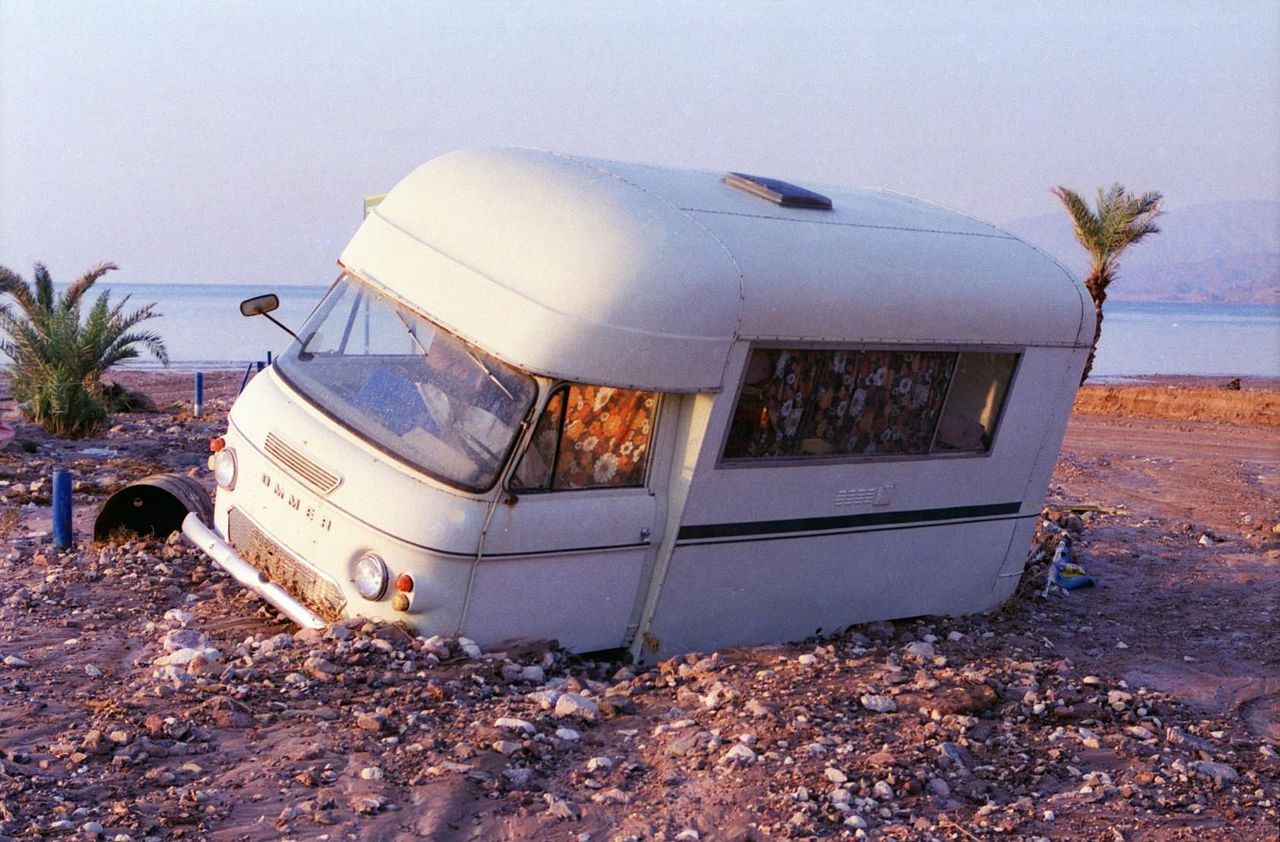
A motorhome road trip through Europe is one of those holidays that sounds romantic until you're trying to reverse a 7-metre vehicle down a medieval Tuscan lane with an audience of bemused locals. But get the preparation right and it genuinely is as good as the dream: wake up to a lakeside view in Bavaria, have breakfast watching the sun rise over a Portuguese beach, then drive an hour to your next spot. No check-in times, no luggage limits, no restaurant reservations.
This guide covers everything a first-timer needs to know, from hiring versus buying, to the practical realities of overnight parking, fuel costs, waste disposal, and the rules that vary from country to country.
Hiring vs Buying: What Makes Sense?
Unless you're planning to use a motorhome regularly (at least 4–6 weeks per year), hiring makes more financial sense for most people. But the numbers are worth understanding.
Hiring a Motorhome
- Cost: Expect £100–200 per night for a modern 4-berth motorhome in peak season (July–August). Off-peak rates drop to £60–120 per night. A two-week summer hire typically costs £1,400–2,800
- Included: Most hire companies include insurance, breakdown cover, kitchen equipment, bedding, and a basic introduction to the vehicle's systems. Mileage allowances vary—check for unlimited mileage deals if you're covering serious distance
- Deposit: Usually £1,000–2,500 held on your credit card. Inspect the vehicle thoroughly at pickup and photograph any existing damage
- Age requirements: Most companies require drivers to be 25+ with a full licence held for at least 2 years. Some accept 21+ with a surcharge
- One-way hires: Some companies allow you to collect in one country and drop off in another (e.g., collect in Paris, return in Barcelona). This usually carries a relocation fee of €200–500
Buying a Motorhome
- New motorhomes start at around £45,000 for a basic panel van conversion and rise to £80,000–120,000+ for a full A-class or integrated model
- Used motorhomes offer better value. A well-maintained 5–8-year-old motorhome from a reputable brand (Fiat Ducato-based conversions by Bailey, Swift, or Auto-Trail) can be found for £25,000–45,000
- Running costs: Insurance (£300–600/year), road tax (£290/year for a motorhome), MOT, habitation check (£150–200/year), and storage (£50–150/month if you don't have space at home)
- Depreciation: New motorhomes lose 15–20% in the first year. Buying 2–3 years old avoids the steepest depreciation curve
Pro tip: If you're considering buying, hire a motorhome for a two-week trip first. It's the only way to discover whether you love the lifestyle or find it claustrophobic. It also teaches you what features matter to you—fixed bed vs drop-down bed, garage storage, washroom layout—before you spend tens of thousands.
Choosing the Right Size
Motorhome size affects everything: where you can park, which roads you can use, how much fuel you burn, and whether you need a special licence.
Size Categories
- Campervans (5.0–5.4m): VW California-style. Easy to drive and park, fits in normal parking spaces, but limited living space. Best for couples or solo travellers who spend most time outdoors
- Panel van conversions (5.4–6.4m): Built on a van chassis (usually Fiat Ducato or Mercedes Sprinter). Good balance of driveability and living space. The most popular segment for European touring. Fits in most campsite pitches and can navigate smaller roads
- Low-profile/overcab motorhomes (6.5–7.5m): More interior space, often with a fixed rear bed and separate washroom. Harder to park in towns and restricted on some roads. Check height clearances carefully
- A-class/integrated (7.0–8.5m): The most spacious and comfortable, with a flat-fronted cab integrated into the living area. Expensive, harder to drive, and limited in where they can go
Licence Requirements
In the UK, drivers who passed their test before 1 January 1997 can drive vehicles up to 7.5 tonnes on their standard licence. Those who passed after this date are limited to 3.5 tonnes (category B), which covers most campervans and panel van conversions but not all larger motorhomes. Check the Maximum Authorised Mass (MAM) of any motorhome before hiring or buying—if it exceeds 3.5 tonnes, you may need a C1 licence, which requires an additional driving test.
Where to Stay: Campsites, Aires, and Wild Camping
One of the great advantages of motorhome travel is flexibility in where you sleep. Europe offers a huge range of overnight options.
Campsites
Traditional campsites offer electric hook-up (EHU), water, waste disposal, showers, toilets, and often a pool, bar, or restaurant. Prices range from €15–25 per night for basic sites to €40–60+ for holiday parks with full facilities.
- Booking: Essential in peak season (mid-June to mid-September), especially in popular regions like the French Riviera, Tuscany, or the Spanish coast. ACSI Camping Card gives discounts at 3,400+ European campsites in low season
- Pitch size: Most European campsites have pitches of 80–100m². Check that your motorhome fits before booking, especially if you're towing a car or have an awning
- Check-in times: Many European campsites close their reception at 7–8pm. Arrive before then or call ahead
Motorhome Aires and Stellplatz
These are designated overnight parking areas specifically for motorhomes. They're a European institution and make motorhome travel far cheaper and more spontaneous than relying on campsites alone.
- France (aires de camping-car): Over 5,000 aires across France, many in stunning locations. Most cost €5–15 per night and include electricity and water. Some are free. The France Passion scheme lets you stay free at farms, vineyards, and producers in exchange for buying their products
- Germany (Stellplatz): Similar system with thousands of designated motorhome parking areas. Typically €5–20 per night. Many include electricity and waste facilities
- Spain (areas de autocaravanas): Growing rapidly. Municipal aires in many towns offer free or cheap overnight parking with basic services
- Italy (aree di sosta): Common but variable in quality. Some are excellent; others are glorified car parks. Check reviews before committing
Wild Camping and Overnight Parking
The rules on wild camping (parking overnight outside designated areas) vary dramatically by country:
- Scandinavia: Broadly permitted under "right to roam" traditions, though motorhomes are more restricted than tents. In practice, a single night in a non-sensitive location is usually tolerated
- France: Technically forbidden in many areas but widely tolerated for a single night if you're discreet, not on private land, and leave no trace. Avoid coastal areas and tourist hotspots where enforcement is stricter
- Germany: A single overnight stop for "rest purposes" is generally tolerated in public car parks. Extending to multiple nights or setting up camp (awning, chairs outside) is not
- Spain: Rules vary by region (autonomous community). Some areas are strict; others tolerate overnight parking. Coastal areas have cracked down in recent years
- Italy: Wild camping is technically illegal in most areas and is enforced in tourist regions. Stick to official aree di sosta
Pro tip: The Park4Night app is the motorhome traveller's bible. It maps thousands of aires, Stellplatz, wild camping spots, and car parks across Europe with user reviews, photos, and GPS coordinates. Download it before your trip and let other motorhomers' experience guide your overnight stops.
Fuel Costs and Driving Tips
Motorhomes are not fuel-efficient. Accepting this early saves you from constantly worrying about consumption.
What to Expect
- Panel van conversions: 25–30 mpg (9–11 litres per 100km) on motorways. Better on slower roads
- Larger motorhomes: 18–25 mpg (11–16 litres per 100km). Heavy headwinds, mountains, and air conditioning worsen this further
- Budget roughly €150–250 per week on fuel for a typical touring holiday covering 200–300 km per day
Saving on Fuel
- Drive at 90–100 km/h on motorways rather than the limit. Fuel consumption increases exponentially above 100 km/h, and you're in no hurry
- Fill up at supermarket stations (France), Autohof truck stops (Germany), or away from motorways wherever possible
- Reduce weight: Only carry as much fresh water as you need for the day. A full 100-litre water tank adds 100 kg
- Avoid toll roads when time allows. You save both toll fees and fuel (slower speeds on free roads mean better consumption)
Driving a Motorhome
If you've never driven a large vehicle, the first hour will feel intimidating. It gets easier quickly, but keep these things in mind:
- Height. Know your vehicle's height and watch for low bridges, car park barriers, and overhanging branches. Write it on a note and stick it to the dashboard
- Width. Narrow European village streets, especially in France and Italy, can be genuinely too narrow. Your sat nav should account for vehicle width if you use one with motorhome-specific routing
- Braking distance. A loaded motorhome takes significantly longer to stop than a car. Leave much larger gaps on motorways
- Wind. Large motorhomes are affected by crosswinds, especially on bridges and exposed motorways. Grip the wheel firmly and reduce speed in gusty conditions
- Reversing. Use your mirrors, go slowly, and get a passenger to guide you if possible. There's no shame in it—even experienced motorhomers have someone outside when reversing into a tight pitch
Water, Waste, and Sanitation
This is the part of motorhome travel that nobody romanticises, but getting it right is essential for a pleasant trip.
Fresh Water
Most motorhomes have a fresh water tank of 80–120 litres. This sounds like a lot but goes quickly when you're showering, cooking, and washing up. Fill up at campsites, aires, and designated water points. Most aires in France and Germany have free or low-cost fresh water taps designed for motorhomes.
Grey Water
Grey water (from sinks and shower) collects in a tank underneath the motorhome. It needs emptying every 2–3 days depending on use. Empty it at designated grey water drains at campsites and aires. Never empty it onto the ground, into storm drains, or into natural water sources.
Black Water (Toilet Cassette)
Most motorhomes have a cassette toilet: a removable waste tank that slides out from an external hatch. Capacity is typically 15–20 litres, lasting 2–4 days for two people. Empty it at designated chemical disposal points (found at campsites and most aires).
- Use proper toilet chemicals – They break down waste and control odour. Green/eco-friendly chemicals are increasingly required at many sites
- Never empty into regular toilets or non-designated drains
- Rinse the cassette thoroughly after emptying and add fresh chemical before using again
LPG Gas
Motorhome cooking, heating, and sometimes the fridge run on LPG (liquefied petroleum gas). Most hire motorhomes come with full gas bottles. If you own your motorhome, be aware that gas bottle fittings vary by country—a French Campingaz bottle won't fit a German regulator without an adapter. Carry a set of European gas adapters (available for around £15–25 as a kit).
Pro tip: Develop a daily routine: fill fresh water and empty grey water every morning at an aire or campsite. This takes 10–15 minutes and means you never run out of water or have an overflowing tank. Empty the toilet cassette every 2–3 days. It becomes second nature after the first week.
Country-Specific Rules for Motorhomes
Regulations affecting motorhomes vary across Europe. Here are the key things to check for your destination countries:
- France: Motorhomes under 3.5t follow car rules. Over 3.5t, you must use truck lanes on some roads and pay higher tolls. Speed limit for motorhomes over 3.5t is 110 km/h on autoroutes (not 130)
- Germany: Motorhomes under 3.5t are exempt from autobahn truck bans on Sundays. Over 3.5t, Sunday and public holiday driving restrictions apply on some roads
- Italy: ZTL (restricted traffic zones) in cities apply to motorhomes. Cameras enforce these—do not drive into a city centre without checking. Many historic towns are effectively off-limits for large vehicles
- Spain: Overnight parking rules vary by region. Some coastal areas have banned motorhome overnight parking outside designated areas. Fines are €200+
- Switzerland: Motorway vignette required (CHF 40). Motorhomes over 3.5t pay additional charges. Many mountain passes have weight or length restrictions
- Scandinavia: Tolls on many bridges and tunnels can be expensive for larger vehicles. Some ferries charge by vehicle length—a 7m motorhome costs significantly more than a car
Essential Gear Checklist
Beyond what the hire company provides, these items make motorhome life significantly better:
- Levelling ramps – Most pitches aren't perfectly flat. Ramps under the wheels level the motorhome so the fridge works properly and you don't roll out of bed
- 25m electric hook-up cable – Some campsite power bollards are further away than the standard cable reaches
- European electrical adapter – Campsite EHU sockets use a blue CEE plug (universal), but you'll want a domestic adapter for using mains appliances inside
- Folding chairs and table – For sitting outside in the evening. The main reason motorhome travel beats hotel travel
- Water hose and connectors – For filling the tank at taps. A flat-lay hose saves space
- Torch/headlamp – For navigating dark campsites and checking connections at night
- First aid kit and basic tools – Including spare fuses for the motorhome's 12V system
- Paper maps – As backup for areas without phone signal. A road atlas for each country you're visiting
Frequently Asked Questions
How much does a motorhome road trip in Europe cost per day?
Budget roughly €80–150 per day for two people, covering fuel (€20–40), overnight stay (€10–30 at aires, €20–50 at campsites), food (€30–50 cooking in the motorhome plus occasional meals out), and incidentals (tolls, laundry, sightseeing). This excludes the hire cost of the motorhome itself. Cooking most meals in the motorhome's kitchen and using aires rather than campsites keeps costs at the lower end.
Can I drive a motorhome on my normal UK driving licence?
If the motorhome's Maximum Authorised Mass (MAM) is 3,500 kg or less, yes—a standard category B licence is sufficient. This covers most campervans and many panel van conversions. Larger motorhomes often exceed 3,500 kg and require a C1 licence. If you passed your UK driving test before 1 January 1997, you have C1 entitlement automatically. If you passed after that date, you'll need to take an additional test. Always check the MAM of the specific vehicle before hiring.
What is the best time of year for a motorhome trip in Europe?
May–June and September–October are the sweet spot. The weather is warm enough for outdoor living, campsites and aires are less crowded, prices are lower, and roads are quieter. July and August are peak season with higher prices, busier sites, and extreme heat in southern Europe. Spring is excellent for Spain, Portugal, and southern France. Autumn is ideal for Italy, Croatia, and the wine regions. Winter motorhome travel is possible with a well-insulated vehicle but limits your options significantly—many campsites and aires close from November to March.

