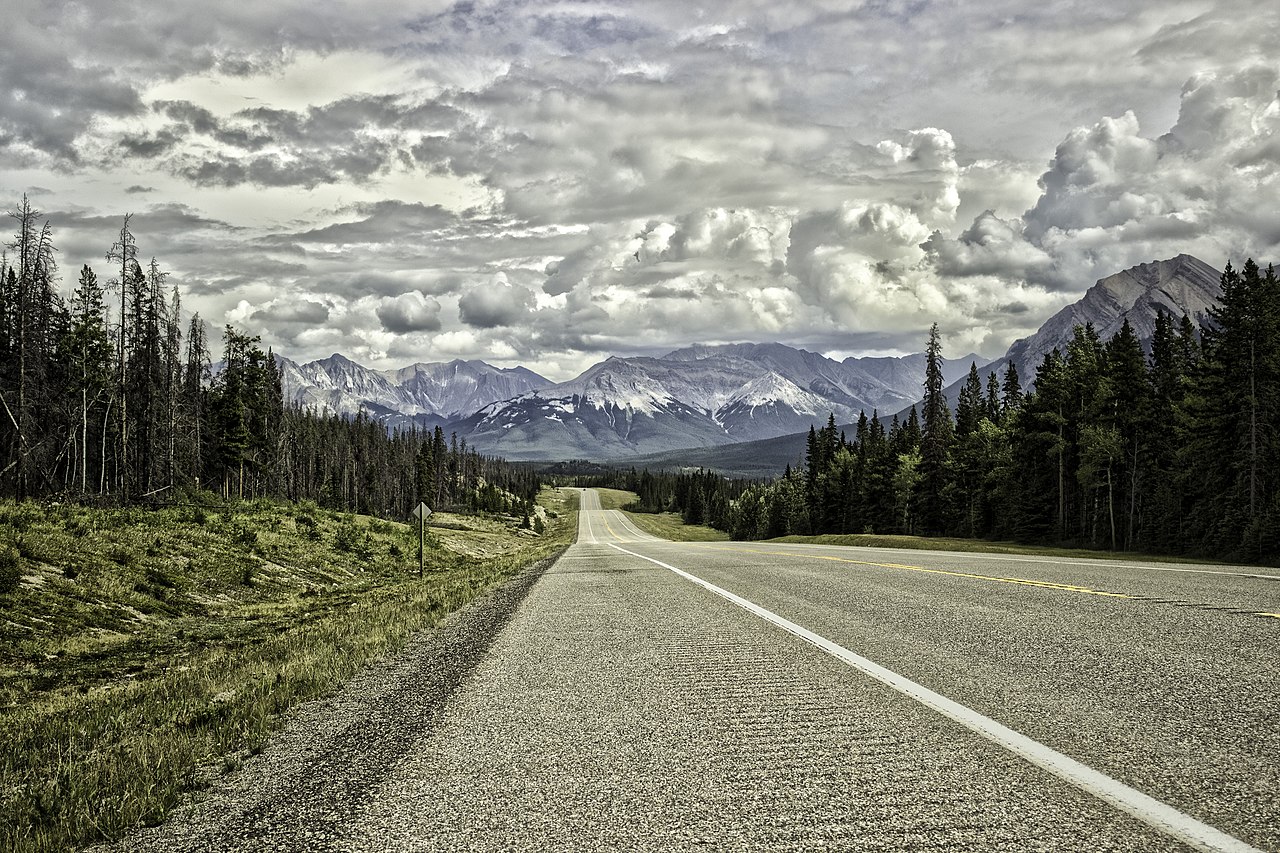
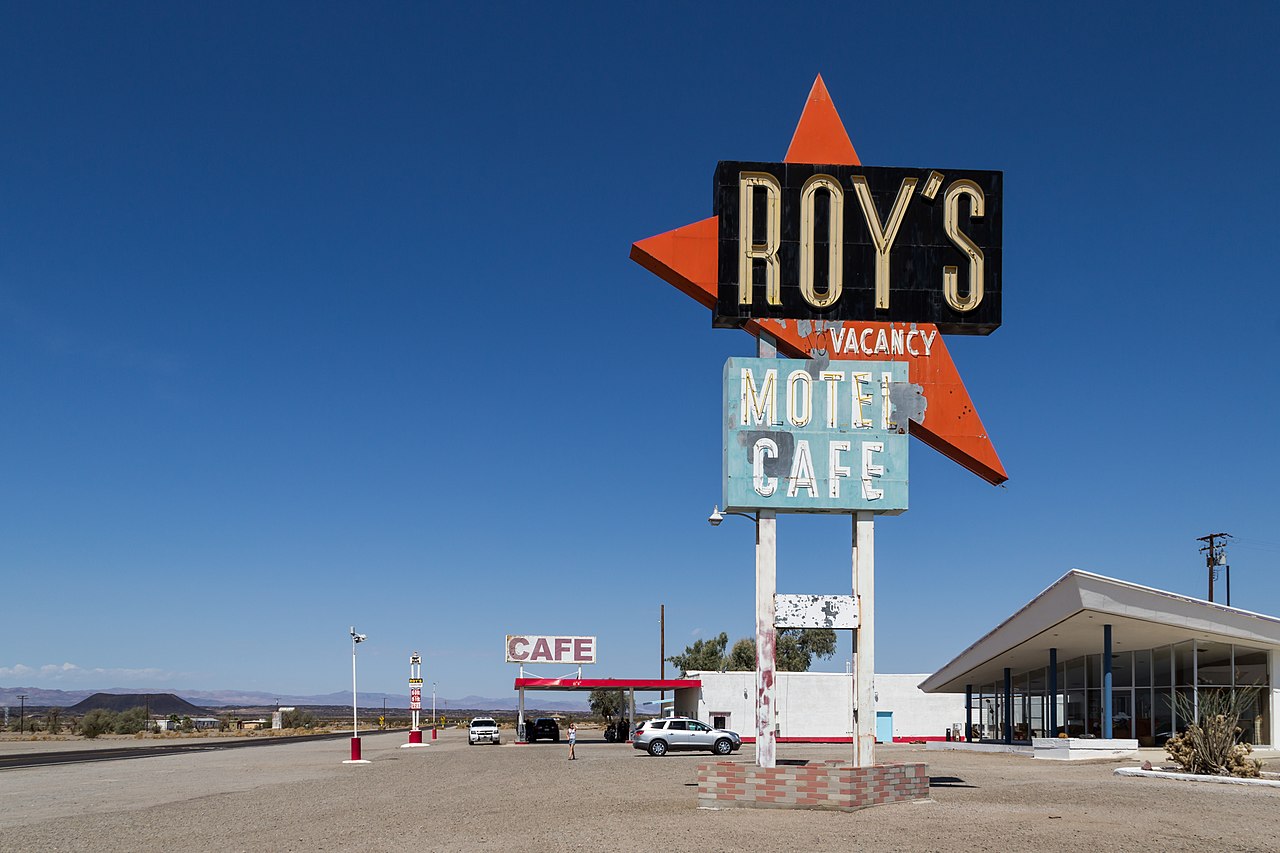
Deserts are the last great open spaces. Driving through them strips away the noise of everyday life and replaces it with silence, scale, and skies so vast they feel like a physical weight. The road stretches ahead to a vanishing point on the horizon, the landscape shifts in subtle gradations of colour that a photograph can never quite capture, and the sense of solitude is complete.
But desert drives are not all the same. Some cross dune seas the colour of burnt orange. Others thread through canyon systems carved over millions of years. A few climb from scorching valley floors to snow-capped peaks within a single hour. Here are ten desert drives that will recalibrate your sense of the world's scale and beauty.
1. Monument Valley and the Valley of the Gods, Utah and Arizona, USA
Monument Valley needs no introduction. Its sandstone buttes and mesas have appeared in so many films and photographs that driving into them for the first time feels like entering a dream you have already had. The 27-kilometre unpaved loop through the Navajo Tribal Park is the essential experience, but the real revelation is the Valley of the Gods, 50 kilometres northeast. This Bureau of Land Management road winds through formations every bit as dramatic as Monument Valley, but with virtually no other visitors.
The wider region around Las Vegas offers access to an entire constellation of desert drives, from the Valley of Fire to Death Valley and beyond.
- Best time: April to May and September to October (comfortable temperatures, golden light)
- Vehicle: High clearance recommended for Monument Valley loop; Valley of the Gods is passable in a standard car in dry conditions
- Duration: 2-3 days for the combined area
Pro tip: Stay until sunset at Monument Valley. When the last light hits the Mittens and Merrick Butte, the sandstone glows as if lit from within. Goulding's Lodge has the classic viewpoint, but the Navajo-operated View Hotel inside the park puts the buttes right outside your window.
2. Wadi Rum, Jordan
Wadi Rum is where Lawrence of Arabia rode and where Mars scenes in recent films have been shot. The desert is a vast sandbox of red sand dunes interspersed with towering sandstone and granite mountains, some inscribed with Nabataean petroglyphs thousands of years old. While you cannot drive your own vehicle through much of the protected area, 4WD tours led by local Bedouin drivers follow unmarked routes through the sand, and the experience of being a passenger is genuinely thrilling.
The Driving Experience
The approach to Wadi Rum via the Desert Highway from Amman, or the King's Highway for a more scenic route, is itself a superb desert drive. The landscape transforms from scrubby hills to open desert as you head south, and the mountains of Wadi Rum appear on the horizon like a mirage. Spend at least one night in a Bedouin camp under the stars. The silence and the sky are unforgettable.
3. The Sahara: Marrakech to Merzouga, Morocco
The drive from Marrakech to the Erg Chebbi dunes at Merzouga is one of North Africa's great road trips. Over roughly 560 kilometres, you cross the High Atlas Mountains via the Tizi n'Tichka pass (2,260 metres), descend through the rose-scented Dades Valley, pass the kasbahs of Ouarzazate and the Todra Gorge, and arrive at the edge of the Sahara, where golden dunes rise up to 150 metres high.
- Day 1: Marrakech to Ouarzazate via Tizi n'Tichka. Stop at Ait Benhaddou, the UNESCO-listed kasbah.
- Day 2: Ouarzazate to Merzouga via the Dades Valley and Todra Gorge.
- Day 3: Camel trek into Erg Chebbi for a night in a desert camp.
- Day 4: Return via the Draa Valley for a different route back to Marrakech.
Pro tip: The road through the Todra Gorge is spectacular but narrow. Drive it in the morning when the sun illuminates the 300-metre canyon walls. In the afternoon, the gorge falls into shadow and loses much of its drama.
4. The Namib Desert: Sossusvlei and Deadvlei, Namibia
Namibia's desert is among the oldest on earth, and its landscapes are correspondingly extreme. The drive from Windhoek to Sossusvlei crosses 350 kilometres of increasingly arid terrain before arriving at dunes that reach 325 metres, the tallest in the world. Deadvlei, a white clay pan surrounded by these dunes and dotted with 900-year-old dead camelthorn trees, is one of the most photographed landscapes in Africa.
- Vehicle: 4WD recommended for the final 5 km to Sossusvlei (2WD can reach the car park at the 60 km gate)
- Best time: April to October (dry season, cooler temperatures)
- Must-do: Arrive at the gate before dawn to climb Dune 45 for sunrise
- Combine with: The Skeleton Coast drive north for one of Africa's most remote and haunting road trips
5. The Atacama Desert, Chile
The Atacama is the driest non-polar desert on earth, and parts of it resemble Mars more closely than anywhere else on our planet. The town of San Pedro de Atacama serves as a base for driving excursions to the Valle de la Luna (Moon Valley), the Tatio Geysers at 4,300 metres, and the surreal salt flats of the Salar de Atacama, where flamingos feed in shallow, mineral-rich pools against a backdrop of volcanic peaks.
High-Altitude Driving
Several of the Atacama's best drives reach altitudes above 4,000 metres. Altitude sickness is a real concern, especially if you fly into Calama (2,300 metres) and drive immediately to the geysers. Spend at least one full day acclimatising in San Pedro de Atacama (2,400 metres) before heading higher. Drink plenty of water, avoid alcohol, and ascend gradually.
6. Death Valley, California, USA
Death Valley holds the record for the highest reliably recorded air temperature on earth (56.7 degrees Celsius in 1913), and driving through it in summer feels like travelling through an oven. But visit between November and March, and the valley is superbly comfortable, with clear skies, manageable temperatures, and some of the darkest night skies in America. The drive from Furnace Creek to Badwater Basin (86 metres below sea level) and up to Dante's View (1,669 metres) gives you a vertical range that few short drives anywhere can match.
7. The Stuart Highway: Alice Springs to Uluru, Australia
The 450-kilometre drive from Alice Springs to Uluru runs straight through the red centre of Australia. The landscape is flat, immense, and hypnotic: red earth, blue sky, and the occasional road train thundering past. Uluru itself is one of the world's great natural monuments, and seeing it appear on the horizon after hours of emptiness is a moment of genuine awe.
- Duration: 5-6 hours direct, but allow 2-3 days to explore Kings Canyon and Kata Tjuta as well
- Best time: May to September (winter, comfortable daytime temperatures)
- Fuel: Fill up at Erldunda, the only fuel stop between Alice Springs and Yulara
8. The Rub' al Khali (Empty Quarter), Oman
The Empty Quarter is the largest continuous sand desert on earth, stretching across Oman, Saudi Arabia, the UAE, and Yemen. Oman offers the most accessible entry point, with paved roads reaching the desert's edge and organised 4WD expeditions venturing deep into the dunes. The drive from Salalah north into the desert crosses the frankincense-scented Dhofar region before entering a sea of sand that stretches to every horizon.
9. The Karakoram Highway: Kashgar to Islamabad
While primarily a mountain highway, the Karakoram passes through some of the most dramatic high-altitude desert on earth. The Chinese side traverses the Taklamakan Desert's fringes before climbing through the Kunjerab Pass at 4,693 metres into Pakistan's Northern Areas. This is one of the world's highest paved roads, and the desert-to-glacier transition is breathtaking.
10. Baja California, Mexico
The Transpeninsular Highway (Highway 1) runs 1,700 kilometres from Tijuana to Cabo San Lucas through the length of the Baja California peninsula. The landscape is classic Sonoran Desert: saguaro cactus, boulder fields, and stark mountain ranges dropping to turquoise bays. The central desert around Catavina, where massive boulders are scattered among giant cardon cacti, is one of Mexico's most underrated landscapes.
Essential Desert Driving Safety
- Water: Carry far more than you think you need. A minimum of 4 litres per person per day, plus extra for the vehicle's cooling system.
- Fuel: Never pass a fuel station without topping up in remote desert areas. Carry a jerrycan for extra range.
- Tyres: Reduce tyre pressure for sand driving and re-inflate before returning to paved roads. Carry a compressor.
- Communication: Mobile coverage is non-existent in most desert areas. Carry a satellite communicator or PLB (personal locator beacon).
- Timing: Drive in the early morning and late afternoon. Midday heat reduces visibility through mirage effects and is hardest on both vehicle and driver.
- Tell someone: Always leave your planned route and expected arrival time with someone who is not travelling with you.
Frequently Asked Questions
Do I need a 4WD for desert driving?
It depends on the route. Many of the drives on this list follow paved roads and are perfectly manageable in a standard car: Death Valley, the Atacama approaches, the Stuart Highway, and the Morocco route are all paved. However, drives that go off-road into sand (Wadi Rum, Sossusvlei's final stretch, the Empty Quarter, the Gibb River Road) absolutely require a capable 4WD vehicle with appropriate tyres. When in doubt, hire locally with a driver who knows the terrain. This is not the place to learn off-road skills.
When is the best time for desert road trips?
The universal rule is to avoid the hottest months. For Northern Hemisphere deserts (Sahara, Monument Valley, Wadi Rum, Death Valley), October to April is ideal. For Southern Hemisphere deserts (Namib, Atacama, Australian Outback), May to September offers the most comfortable conditions. Shoulder months often provide the best combination of pleasant temperatures and good light for photography.
How dangerous are desert drives compared to other road trips?
The risks are different rather than greater. The main dangers are dehydration, vehicle breakdown in remote areas, and heat-related illness. All of these are manageable with proper preparation. Carry excess water, maintain your vehicle, tell someone your plans, and carry a satellite communication device. The roads themselves are often straight and empty, making the driving mechanically simple. The challenge is logistical, not technical. Respect the environment, prepare thoroughly, and desert driving is among the most rewarding travel experiences available.