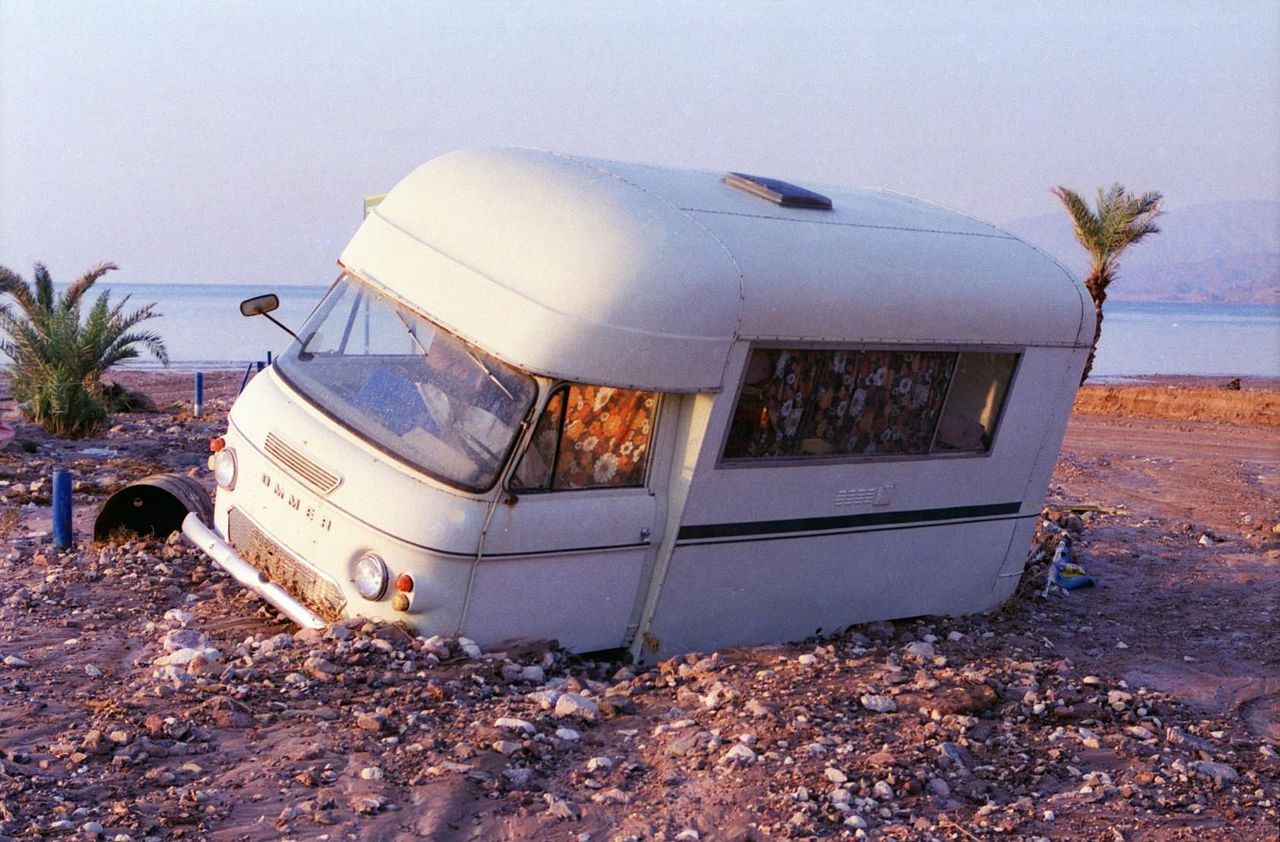
Combining a road trip with camping is one of the most rewarding ways to travel. You get the freedom of the open road with the added bonus of sleeping under the stars, waking up to mountain views or ocean sounds, and saving a significant amount on accommodation costs. But the key to enjoying car camping, rather than merely surviving it, lies in having the right gear.
Unlike backpacking, where every gram counts, car camping lets you bring comfort. Your vehicle is your pack mule, so you can afford a thicker sleeping pad, a proper camp stove, and even a few luxuries. This guide covers everything you need for a comfortable, well-organised road trip camping setup, from shelter and sleep to cooking, power, and storage.
Choosing the Right Tent for Car Camping
Your tent is your home on the road, so it is worth investing in a good one. Car camping tents can be larger and heavier than backpacking models because you do not need to carry them far, which means you can prioritise comfort and livability.
What to Look For
- Size: Get a tent rated for at least one person more than will actually sleep in it. A "3-person" tent is comfortable for two; a "4-person" tent works for a couple who want space for gear inside.
- Height: Look for tents you can sit up in comfortably. Many car camping tents offer standing height, which makes changing clothes and organising gear far easier.
- Vestibule: A covered porch area outside the tent door is invaluable for storing muddy boots and wet gear.
- Ventilation: Mesh panels and adjustable vents prevent condensation, which is the enemy of a comfortable night's sleep.
- Setup time: After a long day of driving, you want a tent that goes up in under ten minutes. Instant or pop-up designs are excellent for road trippers.
Pro tip: Always pitch your tent on a slight slope so water drains away if it rains. Place the door facing downhill and slightly away from the prevailing wind direction.
Tent Alternatives
Rooftop tents have exploded in popularity among road trippers. They mount on your roof rack, fold out in minutes, and keep you off the ground, which means fewer insects, better views, and no need to find flat ground. The downsides are cost (typically 800 to 2,500 euros), added weight on your roof, increased fuel consumption, and reduced vehicle clearance. For frequent road trip campers, though, they can be a game-changer.
If you drive a van, SUV, or estate car, consider a sleeping platform that lets you sleep inside the vehicle. Flat-folding rear seats, a simple plywood platform, and a good mattress can create a surprisingly comfortable setup that is weatherproof and secure.
Sleeping Gear: The Foundation of Good Rest
A bad night's sleep ruins a road trip faster than almost anything else. Unlike backpackers, car campers can bring substantial sleeping gear, so take advantage of this.
Sleeping Bags and Quilts
- Temperature rating: Choose a bag rated at least 5 degrees Celsius below the coldest temperature you expect. In summer across most of Europe, a bag rated to 5-10 degrees Celsius is sufficient. For shoulder seasons or mountain camping, go for a 0 degree or lower rating.
- Shape: Rectangular bags are more comfortable for car camping because they offer room to move. Mummy bags are warmer for their weight but feel restrictive.
- Zipping together: Many rectangular bags zip together to form a double, which is great for couples.
- Material: Synthetic fill is cheaper, dries faster, and insulates when damp. Down fill is lighter and packs smaller but loses insulation if wet. For car camping, synthetic is usually the better choice.
Sleeping Pads and Mattresses
This is where car camping shines. Forget thin foam pads: you can bring a full-sized self-inflating mattress or even an air mattress designed for tent use. Look for options at least 7-8 centimetres thick with an R-value of 3 or higher for three-season use.
Self-inflating pads are the best balance of comfort, packability, and reliability. They do not require a pump, do not go flat if punctured (the foam inside still provides insulation), and roll up to a reasonable size. Budget around 50-120 euros for a quality double.
Pro tip: Bring a fitted sheet to put over your sleeping pad. It stops you sliding around on the slippery pad surface and makes the setup feel much more like a real bed.
Camp Kitchen: Cooking Gear Essentials
One of the great pleasures of car camping is cooking outdoors. A well-stocked camp kitchen means you can eat well without relying on restaurants, keeping costs down and adding another dimension to the experience.
The Stove
- Two-burner propane stove: The gold standard for car camping. Brands like Coleman and Campingaz make reliable, affordable models that run on widely available gas canisters. Budget 40-80 euros.
- Single-burner backpacking stove: A good backup or minimalist option. Fine for boiling water and simple meals but limiting for proper cooking.
- Portable grill: A small charcoal or gas grill elevates your camp cooking enormously. Grilled sausages, vegetables, and even pizza are all possible.
Cookware and Utensils Checklist
- One medium pot with lid (2-3 litre)
- One frying pan or skillet
- Cutting board (flexible silicone ones save space)
- Sharp knife with a sheath
- Spatula, tongs, and a ladle
- Plates, bowls, and cups (enamelware is durable and looks great)
- Cutlery set
- Can opener, bottle opener, and corkscrew
- Washing up bowl, biodegradable soap, and a sponge
- Bin bags and zip-lock bags for food storage
The Cool Box
A quality cool box is arguably the most important piece of camp kitchen gear. It keeps your food safe and your drinks cold. Passive cool boxes with thick insulation and good ice retention are the cheapest option, typically holding ice for two to four days. Electric cool boxes that plug into your car's 12V socket can maintain temperature indefinitely but drain your battery if the engine is off.
For longer trips, consider a compressor-type portable fridge. These are expensive (200-600 euros) but they genuinely refrigerate and even freeze, eliminating the need for ice entirely. They are a worthwhile investment for frequent road trip campers.
Pro tip: Freeze water bottles before your trip and use them as ice in your cool box. As they melt, you have cold drinking water. This saves buying ice bags and reduces waste.
Power Solutions for the Modern Camper
Keeping phones, cameras, and other devices charged on a camping road trip requires some planning. Here are your main options, from simple to sophisticated.
Power Options Ranked
- Car charger and power bank: The simplest solution. Charge devices while driving, and carry a 20,000+ mAh power bank for overnight use. Cost: 20-40 euros.
- Portable solar panel: A 20-30W foldable solar panel can charge phones and small devices during the day. Place it on your dashboard or tent roof. Pair with a power bank for best results. Cost: 40-80 euros.
- Portable power station: These lithium battery packs (ranging from 200Wh to 2000Wh) can power laptops, lights, fans, and even small appliances. They charge from your car, solar panels, or mains power. Cost: 150-800 euros depending on capacity.
- Dual battery system: For serious overlanders, a secondary battery installed in your vehicle provides reliable power without risking your starter battery. This requires professional installation. Cost: 300-600 euros plus fitting.
Lighting
- A USB-rechargeable LED lantern for the tent and cooking area
- A headlamp for hands-free tasks (essential, not optional)
- LED string lights for ambience at the campsite (surprisingly practical and cheerful)
Storage and Organisation: Keeping Your Vehicle Liveable
The difference between an enjoyable road trip and a frustrating one often comes down to organisation. When your car is packed with camping gear, clothes, food, and everything else, finding what you need without unpacking everything becomes crucial.
Storage Tips
- Use stackable plastic boxes: Allocate one for kitchen gear, one for food, one for tools and miscellaneous items. Label them or use clear boxes.
- Roof box or roof bag: Move bulky, lightweight items like sleeping bags and camp chairs to the roof to free up interior space.
- Seat-back organisers: Hang organisers on the back of front seats for maps, snacks, devices, and small items passengers need during the drive.
- Compression bags: Use these for clothing and sleeping bags to reduce volume by up to 50 percent.
- Boot organiser: A collapsible boot organiser prevents everything from sliding around when you brake or corner.
Pro tip: Pack in reverse order of use. Items you need first at camp (chairs, stove, cool box) should be the last things loaded and the most accessible. Tent and sleeping gear can go deeper since you set that up first but only need to access it once.
The Essentials Box
Keep one small box or bag that is always accessible and contains items you need frequently: torch, knife, first aid kit, duct tape, cable ties, matches or lighter, toilet paper, hand sanitiser, and a multi-tool. This saves you rummaging through your entire boot every time you need something small.
Additional Gear Worth Packing
- Camp chairs: Compact folding chairs make a huge difference to campsite comfort. Budget models work fine but break more quickly; mid-range chairs with cup holders and padded seats are worth the extra cost.
- Folding table: A small aluminium folding table provides a surface for cooking, eating, and playing cards.
- Tarpaulin: A 3x3 metre tarp rigged over your cooking area provides shade and rain protection. Learn a basic tarp configuration before your trip.
- First aid kit: Include plasters, antiseptic, painkillers, antihistamines, tweezers, and any personal medications. Add insect repellent and sunscreen.
- Basic tool kit: A multi-tool, duct tape, zip ties, spare rope, and a tyre repair kit can save your trip when things go wrong.
- Water container: A collapsible 10-20 litre water container means fewer trips to the tap block and water available at your pitch.
Budget Breakdown: What Does Car Camping Gear Cost?
Here is a realistic budget for a complete car camping setup for two people:
- Tent: 80-250 euros
- Sleeping bags (x2): 60-200 euros
- Sleeping pads (x2): 50-150 euros
- Camp stove: 40-80 euros
- Cookware and utensils: 30-60 euros
- Cool box: 30-100 euros
- Chairs (x2): 30-80 euros
- Lighting: 15-40 euros
- Storage boxes: 20-40 euros
- Miscellaneous: 30-60 euros
Total: approximately 385-1,060 euros for a full setup. This is a one-time investment that pays for itself within a few trips compared to hotel costs. Start with the basics and upgrade over time based on what you actually use most.
Frequently Asked Questions
Can I camp anywhere on a road trip, or do I need designated campsites?
This depends entirely on the country. In Scandinavia, the right to roam (allemansratten) allows wild camping almost anywhere. In most of western and southern Europe, wild camping is either illegal or tolerated only in remote areas. Use designated campsites or specifically marked motorhome areas (called "aires" in France) for a hassle-free experience. Apps like Park4Night and Campendium help you find free and low-cost overnight spots.
What is the most important single piece of camping gear?
A good sleeping pad. You can tolerate a mediocre tent or a basic sleeping bag, but sleeping on hard, cold ground will ruin your trip. Invest in the thickest, most comfortable sleeping pad your budget and vehicle space allow. Everything else is secondary to a good night's sleep.
How do I keep food safe without a fridge?
Use a quality cool box with ice packs or frozen water bottles. Keep it in the shade and avoid opening it unnecessarily. Store raw meat on the bottom, packed in sealed bags. In cooler climates, a well-insulated passive cool box can maintain safe food temperatures for two to three days. For longer trips, replenish ice at petrol stations or supermarkets, or invest in an electric cool box that plugs into your 12V car socket.