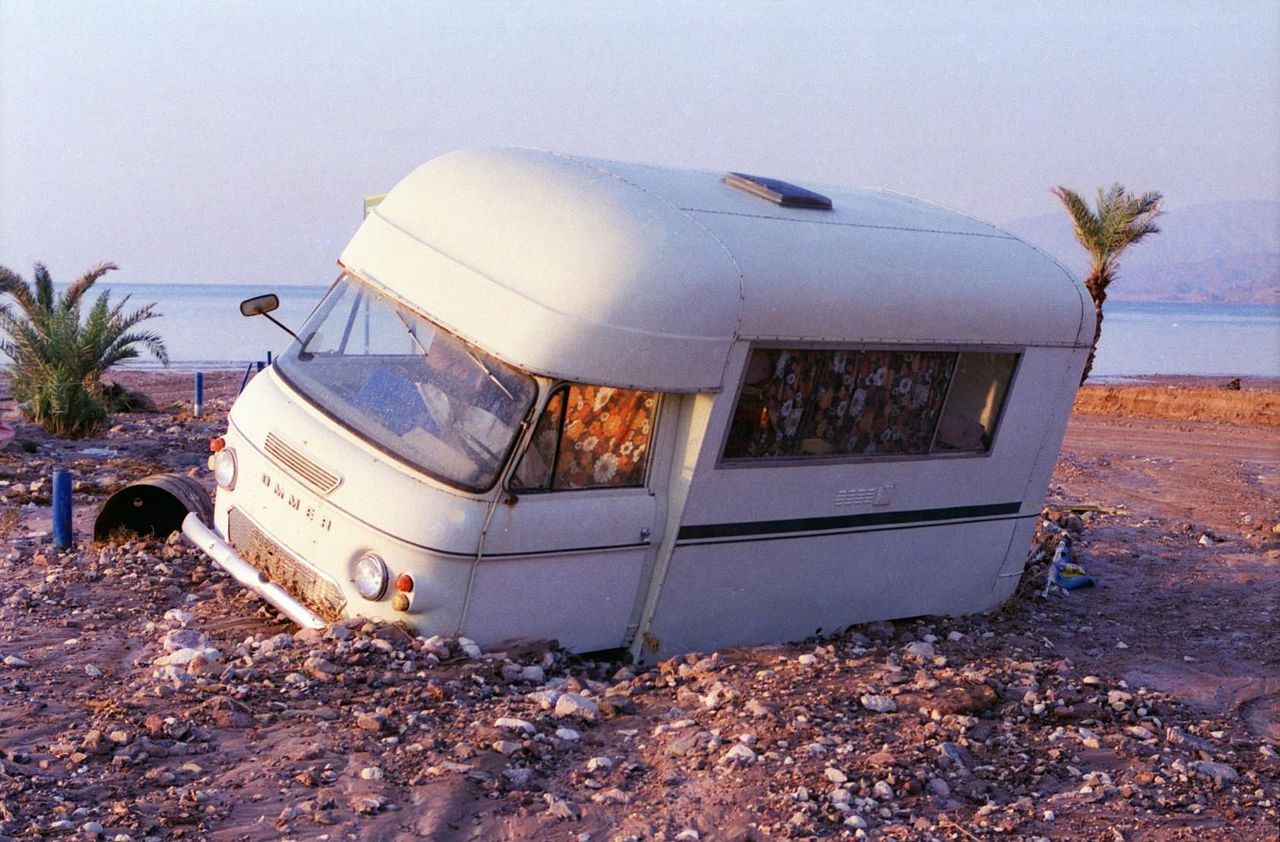
Where you sleep each night shapes the entire character of your road trip. The freedom of wild camping under the stars creates a completely different experience from checking into a comfortable hotel after a long day of driving. Neither is objectively better; they serve different trips, different moods, and different budgets.
This guide covers every major accommodation option available to road trippers, with honest pros and cons, cost breakdowns, and practical advice for each type. We also cover the legality of wild camping country by country, because getting this wrong can mean fines or a knock on your window at 3am.
Hotels and Motels
The most straightforward option and the default choice for most road trippers who prefer comfort and convenience.
Pros
- Guaranteed comfort: a proper bed, hot shower, and climate control after a long drive
- Easy to book on the move using apps like Booking.com or Hotels.com
- Often include breakfast, saving time and money in the morning
- Secure parking in most cases
- No equipment to carry or set up
Cons
- The most expensive option, especially in peak season and popular destinations
- Check-in and check-out times can limit your flexibility
- City centre hotels often charge extra for parking (15-30 EUR per night in major European cities)
- Chain hotels can feel repetitive and disconnected from the local culture
Cost Range
Budget chains (Ibis, Premier Inn, Motel 6): 45-80 EUR per night. Mid-range: 80-160 EUR. Boutique and upper mid-range: 120-250 EUR.
Booking Tips
- Book direct for the best cancellation policies. Third-party sites sometimes have stricter cancellation terms.
- Check Google Maps reviews alongside Booking.com ratings. Google reviews tend to be more honest.
- Ask about road tripper-friendly features: free parking, early check-in, packed breakfast options.
- Use the "tonight only" filter on Booking.com for last-minute discounts of 20-40%.
Self-Catering Apartments and Airbnb
Renting an apartment through Airbnb, Vrbo, or local platforms gives you a home base with cooking facilities, which is a significant advantage on a road trip.
Pros
- Kitchen facilities allow self-catering, saving 30-50 EUR per day on food for a couple
- More space than a hotel room, with separate living and sleeping areas
- Often cheaper than equivalent hotel rooms, especially for groups or families
- Experience residential neighbourhoods rather than tourist zones
- Washing machine access is common, solving the laundry problem on longer trips
Cons
- Minimum stay requirements (often 2-3 nights) reduce flexibility
- Key exchange logistics can be awkward, especially with late arrivals
- Quality varies much more than hotels; read reviews carefully
- Cleaning fees can make short stays poor value (a 50 EUR cleaning fee on a one-night stay versus a three-night stay changes the per-night cost dramatically)
- Parking is not always included and may not be available at all in city centre apartments
Cost Range
Studio apartments: 40-90 EUR per night. One-bedroom apartments: 60-140 EUR. Larger properties: 100-250 EUR.
Pro Tip: For road trips, the ideal Airbnb rhythm is 2-3 nights in each apartment. This avoids excessive cleaning fees, gives you time to actually use the kitchen, and still allows you to move on regularly. Book apartments at your major stops and use hotels or camping for the single-night stays in between.
Campsites
Organised campsites offer a middle ground between the cost savings of camping and the facilities of paid accommodation.
What to Expect
European and North American campsites range from basic fields with a tap to full-service resort-style sites with swimming pools, restaurants, and entertainment. Most offer:
- A designated pitch for your tent or vehicle
- Shared toilet and shower blocks
- Electrical hookup (usually at extra cost)
- Drinking water
- Waste disposal
Pros
- Significantly cheaper than hotels: 10-35 EUR per night for a pitch
- Often located in beautiful settings: lakeshores, forests, coastal cliffs
- Social atmosphere; easy to meet other travellers
- Many accept walk-ins, even in summer (though popular sites book up)
- Children love them
Cons
- Weather dependent: a campsite in the rain is significantly less enjoyable
- Requires carrying camping gear, which takes up boot space
- Shared facilities can be basic or overcrowded in peak season
- Setup and takedown time adds to each day
- Security is lower than hotels; do not leave valuables in your tent
Campsite Booking Platforms
- Pitchup.com: Excellent coverage across Europe with real-time availability
- Eurocampings.co.uk: Comprehensive European campsite directory with detailed reviews
- Recreation.gov: Official booking platform for US National Park and National Forest campgrounds
- Hipcamp: Private land camping, particularly strong in the USA and Australia
Wild Camping and Free Camping
Wild camping means setting up camp outside of an organised campsite, typically in nature. It is the cheapest and most adventurous accommodation option, but it comes with legal and practical considerations that vary dramatically by country.
Wild Camping Legality by Country
This is the information most people get wrong, so pay close attention:
Countries Where Wild Camping Is Legal or Widely Tolerated
- Sweden: Allemansratten (Right to Roam) allows camping almost anywhere for one night, including private land, as long as you are not near a dwelling and leave no trace.
- Norway: Similar right to roam. Camp at least 150 metres from the nearest house. No restrictions on duration in mountain areas.
- Finland: Everyman's Rights permit camping on public and private land. Similar rules to Sweden.
- Scotland: The Land Reform Act allows wild camping across most of Scotland. Respect the Scottish Outdoor Access Code.
- Estonia, Latvia, Lithuania: Generally permitted in forests and rural areas outside protected zones.
Countries Where Wild Camping Is Restricted or Illegal
- England and Wales: Technically illegal without landowner permission, except in Dartmoor (recently restored). In practice, discreet wild camping in remote areas is tolerated if you arrive late, leave early, and leave no trace.
- France: Illegal in most places, but "bivouacking" (setting up after 7pm, leaving before 9am, no tent visible during the day) is tolerated in many rural areas. Strictly prohibited in national parks and nature reserves unless at designated bivouac sites.
- Germany: Illegal in most states. Some forests allow bivouacking (sleeping under the stars without a tent). Rules vary by state and forest.
- Spain: Varies by region (autonomous community). Generally prohibited except in some rural areas of northern Spain. Fines can be significant.
- Italy: Generally prohibited. Regional rules vary. Some Alpine areas tolerate bivouacking above certain altitudes.
- Portugal: Illegal outside campsites. Enforcement has increased in recent years, especially in the Algarve.
- Netherlands: Illegal. Very limited exceptions in specific nature areas with permits.
- Switzerland: Legal above the tree line in most cantons. Prohibited in nature reserves and national parks. Valley camping requires landowner permission.
- Croatia: Illegal outside campsites. Fines of up to 400 EUR.
- Greece: Technically illegal but widely tolerated on beaches and in rural areas outside peak tourist zones.
Pro Tip: Regardless of the legal situation, always follow these principles: arrive late, leave early, leave absolutely no trace, never light fires unless explicitly permitted, park and camp discreetly, and move on if asked. Wild camping is a privilege maintained by the responsible behaviour of those who practice it.
Wild Camping Practical Tips
- Scout your spot before dark. Arriving in the dark to an unknown location is stressful and potentially unsafe.
- Park where your vehicle will not obstruct traffic or attract attention.
- Carry all your water. Do not rely on finding a water source.
- Pack a trowel and biodegradable toilet paper if there are no facilities nearby.
- Use the Park4Night or iOverlander apps to find spots recommended by other travellers.
- Keep your site minimal. A single small tent is far less likely to attract attention or complaints than a full campsite setup.
Hostels
Often overlooked by road trippers, hostels can fill an important gap in your accommodation mix, especially for solo travellers or those on tight budgets.
Pros
- Budget-friendly: 15-35 EUR for a dorm bed, 40-80 EUR for a private room
- Social atmosphere and common areas where you can meet other travellers
- Often have kitchens for self-catering
- Typically centrally located
- Many now offer private rooms with en-suite bathrooms that rival budget hotels
Cons
- Dorm rooms offer zero privacy and can be noisy
- Parking is rarely available or included
- Not ideal for families or couples seeking privacy
- Quality varies enormously
Use Hostelworld for booking and always read recent reviews. A hostel rated 8.0 or above on Hostelworld is generally a safe bet.
Mixing Accommodation Types: The Smart Strategy
The best road trip accommodation strategy is rarely a single type. Mixing accommodation lets you balance budget, comfort, and experience across your trip.
A Suggested Mix for a 14-Night Trip
- 4-5 nights in self-catering apartments: At your major stops where you want a home base for 2-3 nights
- 3-4 nights in hotels: For single-night stops, arrival and departure nights, or when you want comfort after a long driving day
- 3-4 nights camping: In scenic areas where being outdoors is the whole point
- 1-2 nights wild camping: For the adventure and flexibility (where legal)
This mix for two people might average 50-70 EUR per night compared to 100-140 EUR per night if you stayed in hotels throughout. Over a two-week trip, that is a saving of 700-1,000 EUR, which is enough to fund the fuel for the entire trip.
Use Plan Your Road Trips to map out your route and identify the best areas for each type of accommodation. Coastal and mountain stretches often have excellent campsites, while cities are better suited to apartments or hotels.
Frequently Asked Questions
Is wild camping safe?
Wild camping is generally safe when done sensibly. Choose spots that are not isolated but also not in busy public areas. Tell someone your approximate location. Lock your vehicle. Trust your instincts: if a spot does not feel right, move on. The biggest practical risks are usually from wildlife (store food properly) and weather (check the forecast). Personal safety incidents are extremely rare among wild campers.
What is the cheapest way to sleep on a road trip?
Wild camping where it is legal costs nothing. If that is not an option, campsites are the cheapest paid option at 10-35 EUR per night. Sleeping in your vehicle at motorway rest areas, service stations, or designated parking areas is also free in many countries, though comfort is limited. For longer trips, a simple mattress or sleeping platform in the back of an estate car or SUV is an investment that pays for itself within a few nights.
Should I book all my accommodation in advance?
Book your first night, your last night, and any nights in popular destinations during peak season. Leave the rest flexible. Booking everything in advance removes the spontaneity that makes road trips special and locks you into a rigid schedule. The exception is if you are travelling during major events or national holidays, when availability can be genuinely scarce across an entire region.