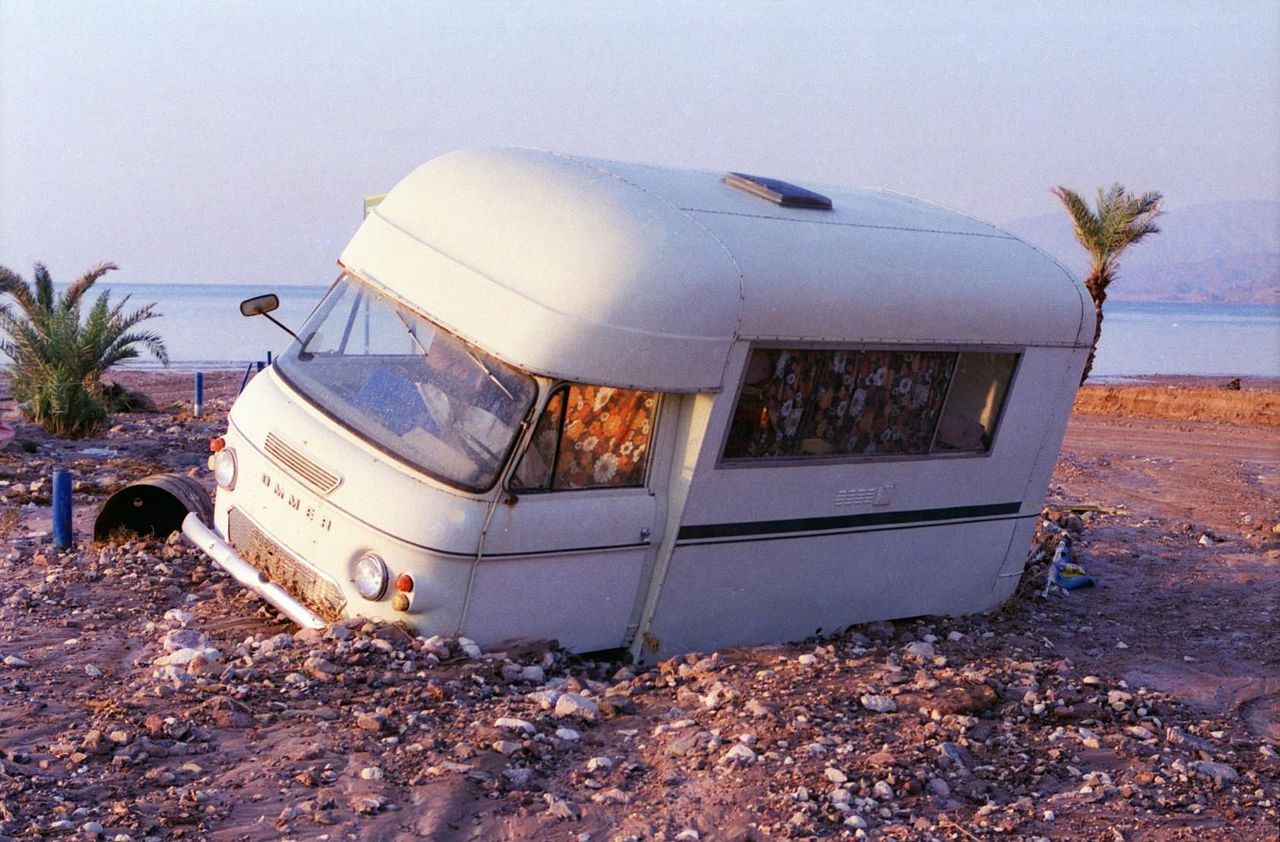
A breakdown on a remote mountain road or a motorway hard shoulder is nobody's idea of a good holiday. The vast majority of roadside breakdowns are preventable with basic preparation, and spending an hour checking your car before departure could save you days of disruption, hundreds in recovery fees, and a lot of stress. Here is a thorough pre-trip checklist to get your car road-trip ready.
Tyres: Your Most Important Safety Check
Tyres are the single point of contact between your car and the road. They affect braking distance, handling, fuel economy, and comfort. A tyre blowout at motorway speed is genuinely dangerous.
Tread Depth
The legal minimum in most European countries is 1.6mm, but most safety organisations recommend replacing tyres at 3mm, especially if you will be driving in wet or mountainous conditions. Check the tread using a tread depth gauge (under EUR 5 from any auto parts shop) or the classic 20p coin test in the UK. Measure at several points across each tyre, as uneven wear indicates alignment problems.
Tyre Pressure
- Check pressures when the tyres are cold (before driving or after the car has sat for 3+ hours).
- The correct pressure is in your owner's manual or on a sticker inside the driver's door frame. It is not the number on the tyre sidewall, which is the maximum pressure.
- For a loaded car (passengers and luggage), use the higher pressure figure listed for full load.
- Under-inflated tyres increase fuel consumption by 3-5% and overheat on long motorway stints, increasing blowout risk.
- Over-inflated tyres reduce grip and cause a harsher ride.
Spare Wheel or Repair Kit
- If your car has a spare wheel, check its pressure. Spares often sit unused for years and slowly deflate.
- Make sure the jack and wheel brace are present and that you know how to use them. Practice changing a wheel at home, not on a dark roadside.
- If your car only has a tyre repair kit (sealant and compressor), check the sealant expiry date. Most expire after 4-5 years. Buy a fresh can if needed.
- Consider carrying a plug-style puncture repair kit as well, which is more effective than sealant for nail-type punctures.
Pro tip: If you are driving in winter or through mountain passes, check whether your destination requires winter tyres or snow chains. In Germany, Austria, and several other countries, winter tyres are legally required when conditions demand them, and fines range from EUR 60 to EUR 5,000 in Austria.
Fluids: The Lifeblood of Your Car
Checking fluid levels takes ten minutes and can prevent catastrophic engine damage.
Engine Oil
- Check with the engine cold and on level ground. Pull the dipstick, wipe, reinsert, and read the level.
- Oil should be between the minimum and maximum marks. Top up if below halfway.
- If your oil is very dark and gritty, or if you are within 1,000 miles of your next service, get it changed before your trip.
- Carry a litre of the correct grade oil in your boot. The grade is in your handbook (e.g., 5W-30, 0W-20).
Coolant
- Check the expansion tank when the engine is cold. The level should be between min and max marks.
- Never open the radiator cap when the engine is hot. The system is pressurised and you risk serious burns.
- Top up with the correct type of coolant (check your handbook). Do not mix different types or colours.
- If you are topping up frequently, you may have a leak that needs investigating before a long trip.
Brake Fluid
Check the reservoir under the bonnet. If it is below the minimum mark, have your brakes inspected. Low brake fluid usually means worn brake pads, not just low fluid.
Windscreen Washer Fluid
Fill it to the brim and carry a spare bottle. On long motorway drives, especially behind lorries, you will use more than you expect. In winter, use a screen wash with antifreeze concentrate.
Power Steering Fluid
If your car has hydraulic power steering (most older cars), check the reservoir. Modern cars with electric power steering do not have this.
Brakes, Lights, and Wipers
Brakes
If you hear squealing, grinding, or feel vibration when braking, get them inspected immediately. Brake pad replacement is typically EUR 100-200 per axle. Driving with worn pads damages the discs, turning a EUR 150 job into a EUR 500 one.
Lights
Walk around the car and check every light: headlights (dipped and main beam), tail lights, brake lights (have someone press the pedal while you check), indicators, fog lights, and reversing lights. Carry spare bulbs for your specific vehicle. In many European countries, carrying spare bulbs is a legal requirement.
- Headlight adjustment: If you are driving from the UK to continental Europe (or vice versa), you must adjust or mask your headlights to prevent dazzling oncoming traffic. Beam deflectors or headlight stickers are available from ferry terminals and auto shops. Some modern cars have a setting in the dashboard menu.
Wipers
If your wipers leave streaks or miss areas, replace them. A pair of quality wiper blades costs EUR 15-30 and takes five minutes to fit. Smeared windscreens in heavy rain or low sun are a serious visibility hazard.
The Breakdown and Emergency Kit
Pack these items before every road trip. Some are legal requirements in certain European countries, and all are sensible insurance against problems.
Legal Requirements by Country
- Warning triangle: Required in most European countries. Place it 50-100m behind your car if you break down.
- Reflective vest: Required in France, Spain, Italy, Austria, and many others. Must be inside the cabin (not the boot), so you can put it on before exiting the car.
- First aid kit: Required in Germany, Austria, and several Eastern European countries.
- Fire extinguisher: Required in some Eastern European countries including Poland and the Baltic states.
- Spare bulbs: Required in France (though enforcement is rare for LED/Xenon headlights).
- Breathalyser: Technically required in France, though the fine for not carrying one was suspended.
Recommended Kit
- Warning triangle (2 if driving in Spain)
- Reflective vests for all passengers
- First aid kit
- Torch with fresh batteries or a rechargeable one
- Jump start cables or a portable jump starter (highly recommended)
- Tow rope rated for your vehicle's weight
- Duct tape and cable ties
- Multi-tool or basic toolkit
- Phone charger and a 12V USB adapter
- Paper road map as backup (phone batteries die, signal fails)
- Bottled water and non-perishable snacks
- Blanket (if travelling in cold months)
Pro tip: A portable lithium jump starter (around EUR 50-80) is one of the best investments for road trippers. It is small enough to fit in your glovebox, can jump start a flat battery in seconds without needing another car, and doubles as a USB power bank for your phone. Flat batteries are the number one cause of breakdown callouts.
Servicing and Mechanical Health
When to Service Before a Trip
If your next service is due within the mileage you will cover on the trip, get it done beforehand. A full service typically includes:
- Oil and filter change
- Air filter inspection or replacement
- Brake inspection (pads, discs, fluid)
- Tyre condition and pressure check
- Battery test
- Coolant level and condition
- Drive belt condition
- Suspension check
- Exhaust system inspection
Battery Health
Car batteries typically last 3-5 years. If yours is over 3 years old, have it tested. A battery can appear fine for daily short trips but fail under the sustained electrical load of a long drive with air conditioning, GPS, phone charging, and headlights. Most garages and auto shops will test your battery for free.
Air Conditioning
If your A/C is blowing warm or not as cold as it used to be, get it regassed before a summer trip. Driving across southern Europe in August without working air conditioning is genuinely unpleasant and can cause fatigue. A regas costs EUR 50-80 and takes about 30 minutes.
Documents and Insurance
Having the right paperwork is just as important as mechanical preparation.
- Driving licence: Carry it at all times. If you have a photo card licence from the UK, you do not need an International Driving Permit for most EU countries, but check requirements for non-EU destinations.
- Vehicle registration document (V5C in the UK): Required if driving abroad. Carry the original, not a photocopy.
- Insurance: Check that your policy covers driving abroad. Many UK policies include EU cover for up to 90 days, but the level of cover may be reduced to third-party only. Contact your insurer to confirm or upgrade.
- Green Card: Post-Brexit, some insurers require you to carry a Green Card as proof of insurance when driving in the EU. Check with your insurer.
- Breakdown cover: Ensure your breakdown policy includes European cover. AA, RAC, and Green Flag all offer European add-ons. Recovery from abroad without cover can cost EUR 1,500-3,000.
- MOT certificate: While not required abroad, if your MOT is due while you are away, get it done early before departure.
Final Pre-Departure Checks
- Fill the fuel tank the night before departure.
- Clean all windows and mirrors inside and out.
- Adjust mirrors for your driving position with the car loaded.
- Test all seatbelts, especially rear ones that are rarely used.
- Remove unnecessary heavy items from the boot to improve fuel economy.
- Secure loose items in the cabin. A loose water bottle becomes a projectile in an emergency stop.
- Set your sat nav destination and check the route before pulling away.
- Check the weather forecast and any road closures on your route.
A well-prepared car means fewer worries on the road. Take the time to run through this checklist, and you can set off knowing your vehicle is as ready as you are. Ready to plan your route? Plan your road trip and map out every stop along the way.
Frequently Asked Questions
How far in advance should I service my car before a road trip?
Ideally, 2-4 weeks before departure. This gives you time to address any issues the mechanic finds without rushing, and allows you to drive the car for a few days after the service to confirm everything is working properly. Do not leave it to the day before, as parts may need ordering.
What is the most common cause of breakdowns on road trips?
Flat or dead batteries account for roughly 30% of all breakdown callouts in Europe, followed by tyre problems (punctures, blowouts) at around 20%, and engine overheating at around 10%. All three are largely preventable with the checks described in this guide. Carrying a portable jump starter and checking tyre condition before departure eliminates most of the risk.
Do I need to carry specific equipment when driving in Europe?
Requirements vary by country, but the safest approach is to carry a warning triangle, reflective vests for all passengers, a first aid kit, and spare bulbs. This combination satisfies the legal requirements in nearly every European country. Check the specific rules for each country on your route, as fines for missing equipment can range from EUR 10 to over EUR 300 depending on the country.