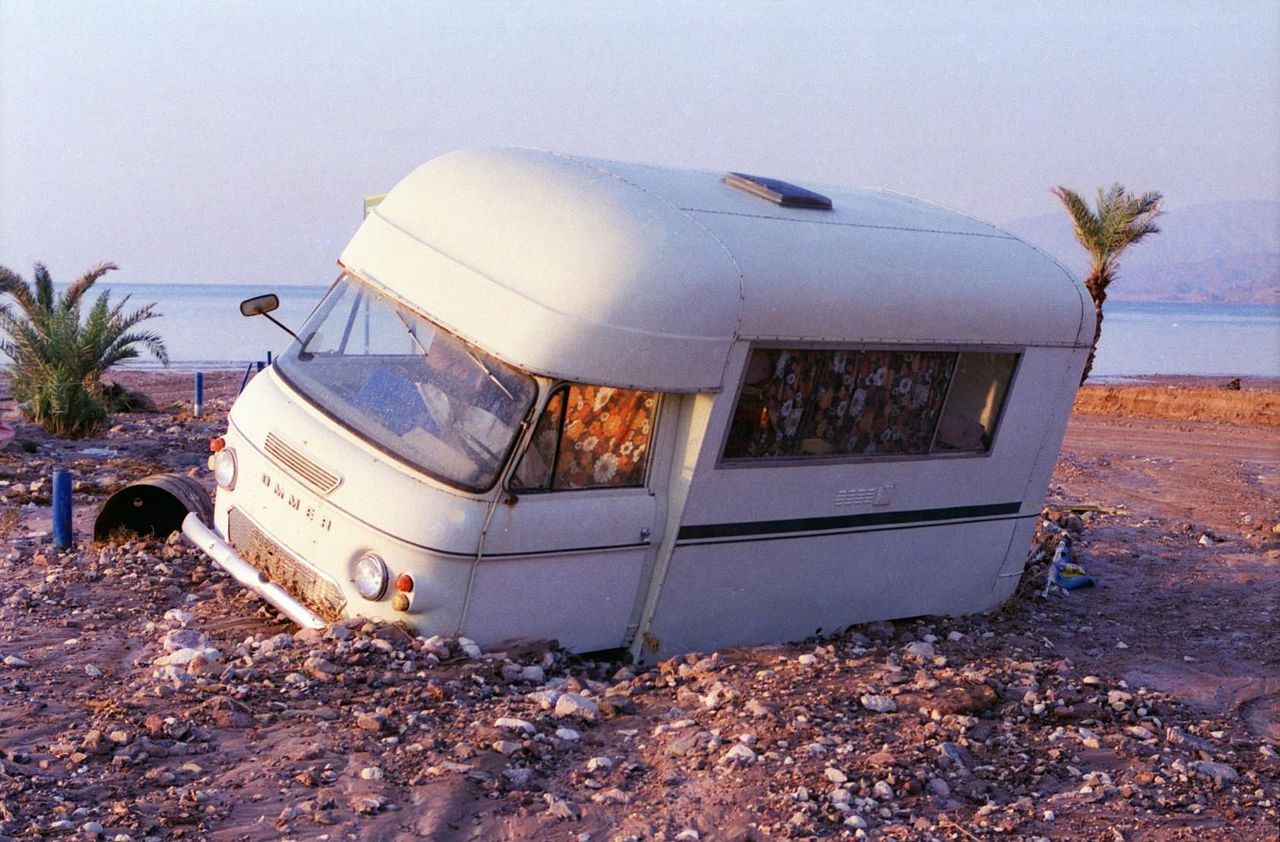
A European road trip is one of the most rewarding ways to explore the continent. You get the freedom to stop at hidden villages, detour to scenic viewpoints, and set your own pace through some of the world's most beautiful landscapes. But without proper planning, that dream trip can quickly turn into a logistical headache.
This step-by-step guide covers everything you need to know to plan a European road trip, from choosing your route and sorting documents to budgeting, booking accommodation, and preparing your vehicle for the journey ahead.
Step 1: Choose Your Route and Timeframe
The first decision is also the most exciting: where do you want to go? Europe offers an extraordinary range of road trip routes, from the sun-drenched coasts of the Mediterranean to the fjord-lined highways of Scandinavia.
Popular European Road Trip Routes
- The French Riviera Loop: Start in Paris, drive south through Provence, along the Cote d'Azur, and back through the Alps. Allow 10-14 days.
- Italy Top to Bottom: Milan to Rome via the Tuscan hills, Cinque Terre, and Amalfi Coast. Allow 14-21 days.
- Iberian Peninsula: Barcelona through Andalusia, across to Portugal's Algarve, and up to Lisbon. Allow 14-18 days.
- The Alpine Route: Switzerland, Austria, and the Dolomites in northern Italy. Allow 7-14 days.
- Balkan Discovery: Croatia, Montenegro, Bosnia, and Slovenia. Increasingly popular and very budget-friendly. Allow 10-14 days.
How Long Should Your Trip Be?
A common mistake is trying to see too much. As a rule of thumb, plan no more than 3-4 hours of driving per day, and budget at least two nights in each major destination. A two-week trip works well for covering 2-3 countries at a comfortable pace.
Pro Tip: Use Plan Your Road Trips to map out your route and discover points of interest along the way. It will help you identify optimal stopping points and estimate realistic driving times.
Step 2: Sort Your Documents and Paperwork
European border crossings within the Schengen Area are usually seamless, but you still need certain documents in order and there are important rules to be aware of.
Essential Documents
- Valid passport: Must be valid for at least 3 months beyond your planned departure date from Europe. Non-EU citizens may need at least 6 months validity.
- Driving licence: Your national licence is accepted in most EU countries. However, an International Driving Permit (IDP) is required or recommended in Italy, Spain, Greece, Austria, and several other countries. Get one before you leave home.
- Vehicle registration document: The V5C (UK) or equivalent. If the car is not in your name, you will need a letter of authority from the registered keeper.
- Motor insurance: Your policy must provide at minimum third-party cover in every country you visit. Contact your insurer to get a Green Card (proof of insurance) if required.
- European Health Insurance Card (EHIC) or GHIC: For EU/UK citizens. Non-EU visitors should have comprehensive travel insurance with medical cover of at least 100,000 EUR.
- Visa or ETIAS: Non-EU citizens should check whether they need a Schengen visa. The ETIAS travel authorisation system is expected to be required for visa-exempt nationals; check the latest status before booking.
Country-Specific Requirements
Many European countries require you to carry specific items in your vehicle by law:
- France: High-visibility vest (one per passenger), warning triangle, breathalyser kit, headlight beam deflectors.
- Austria & Switzerland: Motorway vignette (toll sticker) required before using any motorway.
- Italy: High-visibility vest, warning triangle. ZTL (restricted traffic zones) in city centres can result in fines if entered without authorisation.
- Germany: First aid kit, warning triangle, high-visibility vest.
Pro Tip: Create a physical folder with printed copies of all your documents, including confirmation emails for accommodation and car rental. Phone batteries die at the worst moments.
Step 3: Vehicle Preparation
Whether you are driving your own car or renting, vehicle preparation is critical for a safe and enjoyable trip.
If You Are Driving Your Own Car
- Service and inspection: Get a full service at least 2-3 weeks before departure. Check tyres (including the spare), brakes, oil, coolant, and all lights.
- Breakdown cover: Get European breakdown cover. The AA, RAC (UK), and ADAC (Germany) all offer pan-European packages. This is not optional; it is essential.
- Headlight adjustment: If you are driving a right-hand drive car in continental Europe, you need headlight beam deflectors or to adjust the beam pattern to avoid dazzling oncoming traffic.
- GB/UK or country sticker: Required if your number plate does not already show the country identifier.
If You Are Renting a Car
- Book early: Summer rental prices in popular destinations can double or triple if you wait until the last month. Book 2-3 months ahead.
- Cross-border fees: Many rental companies charge extra for taking the car across international borders. Some prohibit certain countries entirely (e.g., taking a car rented in Italy into Eastern Europe). Read the terms carefully.
- Pick-up and drop-off: One-way rentals (pick up in one city, drop off in another) are available but cost significantly more. Returning to the same location saves money.
- Insurance: The Collision Damage Waiver (CDW) included in most rentals still leaves a high excess (often 1,000-2,000 EUR). Consider buying standalone excess insurance from a third party for a fraction of the cost.
Step 4: Budget and Costs
European road trips can be done on nearly any budget, but costs vary dramatically between countries and travel styles.
Fuel Costs
Fuel prices in Europe are significantly higher than in North America. As of 2025, expect to pay:
- Western Europe (France, Germany, Netherlands): 1.60-2.00 EUR per litre for petrol.
- Southern Europe (Spain, Portugal, Italy): 1.50-1.90 EUR per litre.
- Eastern Europe (Poland, Czech Republic, Hungary): 1.30-1.60 EUR per litre.
A mid-size car averaging 7 litres per 100km, covering 250km per day, will cost roughly 25-35 EUR per day in fuel in Western Europe.
Tolls
Toll roads are common in France, Italy, Spain, and Portugal. A drive from Paris to the south of France on the autoroute will cost 60-80 EUR in tolls one way. Austria, Switzerland, Czech Republic, and Slovenia use vignette systems where you buy a sticker for a fixed period.
Daily Budget Estimates
- Budget (camping/hostels, self-catering): 50-80 EUR per person per day.
- Mid-range (hotels, eating out once daily): 100-160 EUR per person per day.
- Comfortable (good hotels, restaurants): 180-300 EUR per person per day.
Pro Tip: Eastern and Southern Europe offer far better value. Your daily budget in Portugal, Greece, or Croatia will stretch roughly twice as far as in Switzerland or Scandinavia.
Step 5: Book Accommodation Strategically
You do not need to book every single night in advance, but having key stops reserved gives you structure and peace of mind, especially in peak season.
Booking Strategy
- Book your first and last nights: Arriving in a new country tired from travel is not the time to search for a room.
- Book weekends and peak destinations: Barcelona, Rome, and Paris fill up fast. Book these 4-8 weeks ahead in summer.
- Leave gaps for spontaneity: Some of the best road trip experiences come from unplanned detours. Keep 30-40% of your nights flexible.
- Consider a mix: Alternate between hotels and self-catering apartments. Apartments with kitchens let you save money on meals while experiencing local markets.
Step 6: Plan Your Days (But Not Too Tightly)
The magic of a road trip is in the journey, not just the destinations. Build flexibility into every day.
Daily Planning Tips
- Limit driving to 3-4 hours per day: This leaves time for stops, sightseeing, and actually enjoying where you are.
- Identify 2-3 must-see stops per day: Research viewpoints, towns, and attractions along each stretch of your route.
- Plan rest days: Every 3-4 days of driving, schedule a day with no car travel. Explore a town on foot, visit a beach, or simply rest.
- Start early: European roads are quieter before 9am, and you will find parking much more easily at popular attractions.
- Download offline maps: Mobile data coverage can be patchy in rural areas, especially in mountainous regions. Download Google Maps or Maps.me offline maps for every country you will visit.
Pro Tip: Use our trip planner to discover hidden gems and points of interest between your major stops. You will find attractions you would never have known about otherwise.
Frequently Asked Questions
Do I need an International Driving Permit for Europe?
It depends on your nationality and which countries you are visiting. EU licence holders can drive anywhere in the EU without an IDP. US, Canadian, and Australian licence holders should carry an IDP as it is legally required or strongly recommended in Italy, Austria, Spain, Greece, Poland, and several other countries. An IDP is inexpensive and easy to obtain, so it is worth getting one regardless.
Is it better to rent a car or drive my own?
For trips of two weeks or less, renting is usually more cost-effective when you factor in fuel, wear on your vehicle, ferry or tunnel costs (if crossing from the UK), and breakdown cover. For longer trips of a month or more, driving your own car typically becomes cheaper. Renting also gives you the flexibility of one-way trips and avoids putting high mileage on your personal vehicle.
What is the best time of year for a European road trip?
May to June and September to early October offer the best combination of good weather, lighter traffic, and lower prices compared to the peak July-August season. Shoulder season also means fewer crowds at popular attractions. If you are heading to Scandinavia, July and August are ideal. For the Mediterranean, even April and November can be pleasant for driving, though some mountain passes may be closed.