museum
Zollverein Coal Mine
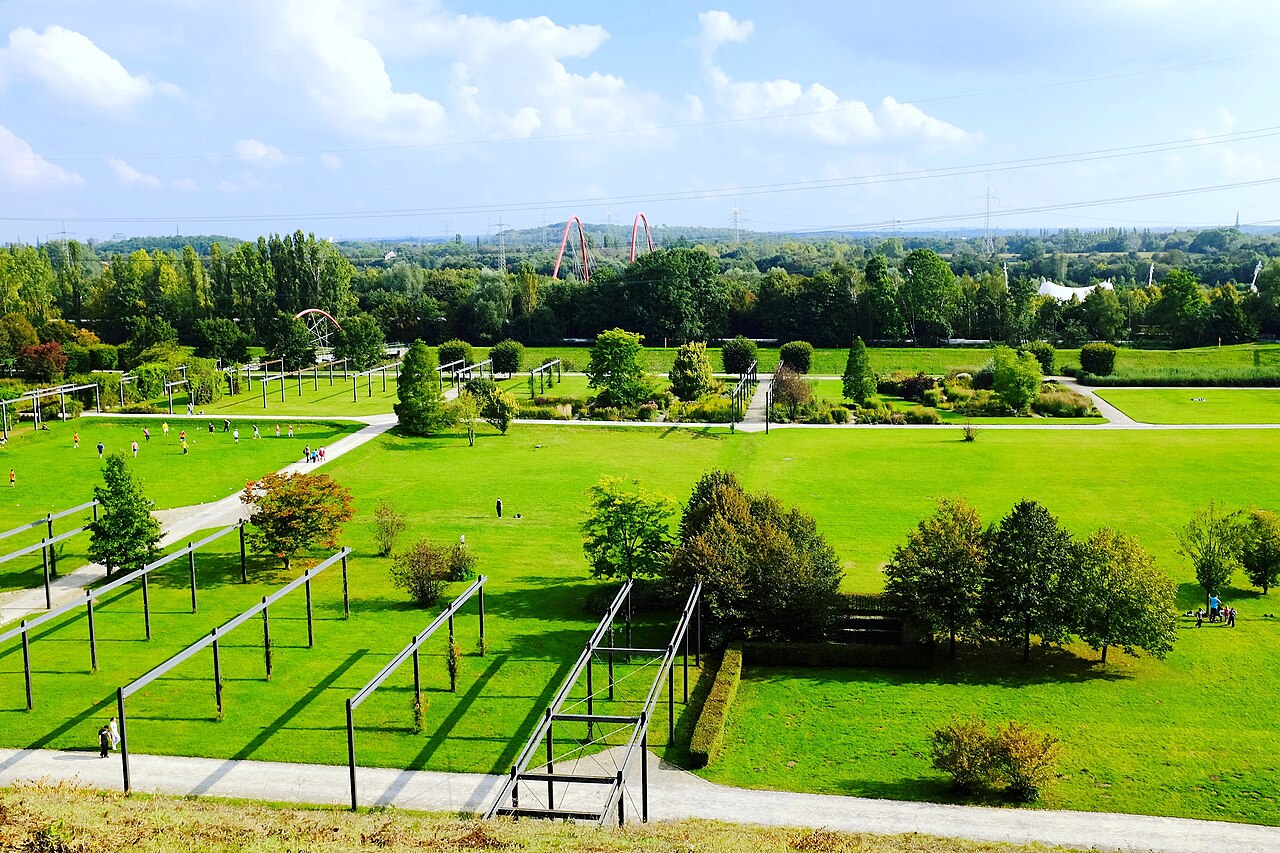
A Bauhaus-styled colliery and UNESCO icon of the Ruhr, now a striking park of red walkways, museums and a winter ice rink.
4 km · about 10 min drive
North Rhine-Westphalia, Germany · Europe
Gelsenkirchen is worth a stop: 10 minutes from Wattenscheid, 4km from Zollverein Coal Mine.
Gelsenkirchen is a city located in North Rhine-Westphalia, Germany. With a population of 270,028, it is an important destination in Europe.
On a road trip, Gelsenkirchen sits in Germany, where you drive on the right. It's in the Europe/Berlin time zone. Below you'll find where to stay, things to do nearby, and everything you need to add Gelsenkirchen to your route.
Gelsenkirchen (; German: [ˌɡɛlzn̩ˈkɪʁçn̩] ; Westphalian: Gelsenkiärken) is the 26th-most populous city of Germany and the 12th-most populous in the state of North Rhine-Westphalia with a population of 266,199 as of 2025. On the Emscher River (a tributary of the Rhine), it lies at the centre of the Ruhr area, theRead more
largest urban area of Germany, of which it is the fifth-largest city after Dortmund, Essen, Duisburg and Bochum. The Ruhr is located in the Rhine-Ruhr metropolitan region, the second-biggest metropolitan region by GDP in the European Union. Gelsenkirchen is the fifth-largest city of Westphalia after Dortmund, Bochum, Bielefeld and Münster, and it is one of the southernmost cities in the Low German dialect area. The city is home to the football club Schalke 04, which is named after Gelsenkirchen-Schalke. The club's current stadium Veltins-Arena, however, is located in Gelsenkirchen-Erle.
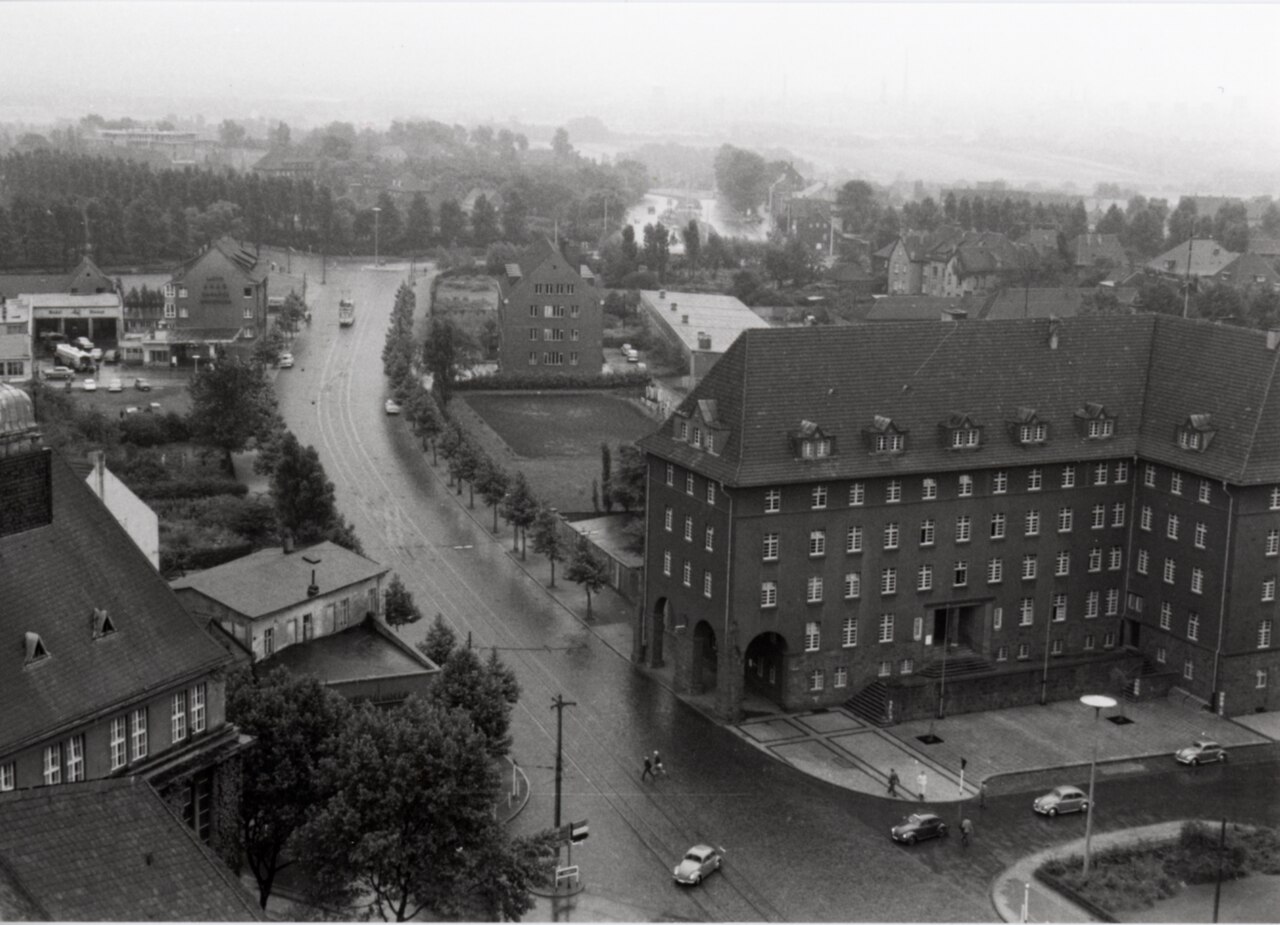
Gelsenkirchen was first documented in 1150, but it remained a tiny village until the 19th century, when the Industrial Revolution led to the economic and population growth of the region. In 1840, when the mining of coal began, 6,000 inhabitants lived in Gelsenkirchen; by 1900 the population had increased to 138,000. In the early 20th century, Gelsenkirchen was the most important coal mining town in Europe. It was called the "city of a thousand fires" for the flames of mine gases flaring at night. In 1928, Gelsenkirchen was merged with the adjoining cities of Buer and Gelsenkirchen-Horst. The city bore the name Gelsenkirchen-Buer, until it was renamed Gelsenkirchen in 1930. The city remained a center of coal mining and oil refining during the Nazi era, which led to it being a frequent a target of Allied bombing raids during World War II: nevertheless, over a third of the city's buildings date from before 1949. There are no longer coalmines in and around Gelsenkirchen; the city is searching for a new economic basis, having been afflicted for decades with one of the country's highest unemployment rates.
Compare prices across Booking.com, Airbnb, Expedia, and more. Select your dates to see availability.
Pick your must-haves once: provider links open pre-filtered. Each filter lists which sites it applies to.
Compare before you book!
Prices can vary significantly between platforms. We recommend checking at least 2-3 sites to find the best deal for your stay in Gelsenkirchen.
Discover famous landmarks, scenic roads, and more near Gelsenkirchen.
Gelsenkirchen offers many attractions including tourist sites, museums, parks, and local restaurants. Explore famous landmarks, scenic roads, and natural wonders on our interactive map and plan your visit.
Plan your road trip to Gelsenkirchen with Plan Your Road Trips! Add Gelsenkirchen as a destination, and we'll help you find the best route and discover more amazing places along the way.
Gelsenkirchen is located in North Rhine-Westphalia, Germany, Europe. The coordinates are 51.5051 latitude, 7.0965 longitude.
Gelsenkirchen has a population of approximately 270,028 people, making it a city in Germany.
Add to your itinerary
Start planning your road trip with Gelsenkirchen as a destination. Create a custom route and discover more amazing places along the way.
Start Road TripDiscover destinations like Tinder
Swipe through stunning destinations near Gelsenkirchen. Save your favourites and add them to your trip.
Essential numbers in Germany
ADAC roadside assistance: +49 89 22 22 22. No general speed limit on some autobahn sections but advisory 130 km/h.
Full driving guide for Germany3 notable places within an hour's drive.
museum
A Bauhaus-styled colliery and UNESCO icon of the Ruhr, now a striking park of red walkways, museums and a winter ice rink.
4 km · about 10 min drive
landmark
The world's oldest electric suspension railway glides above the Wupper River, a 1901 engineering marvel still in daily use.
28 km · about 30 min drive
landmark
A magnificent classic car centre in a restored locomotive roundhouse filled with rare vehicles, workshops, and automotive lifestyle shops.
39 km · about 45 min drive
April to October
Other places to explore near Gelsenkirchen.
Create your perfect itinerary with our calendar-based planner. Add stops, discover attractions along the way, and share your trip with friends.
Start Planning