landmark
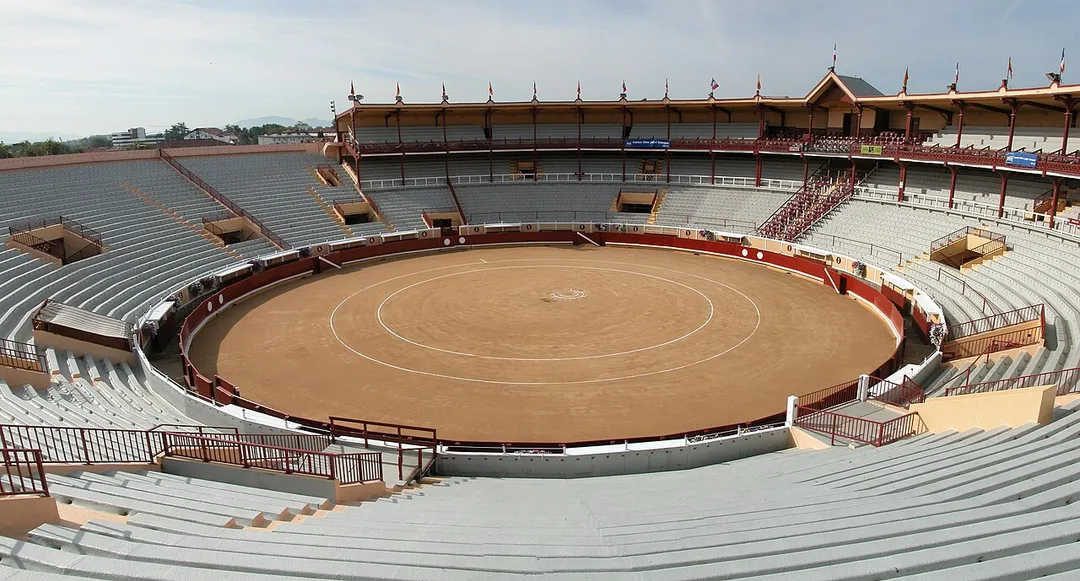
Wheels & Waves
The annual Biarritz festival celebrating motorcycle culture, surfing, and custom builds that has become a global pilgrimage for riders.
7 km · about 15 min drive
New Aquitaine, France · Europe
Bayonne works well as a base: 5 minutes from Anglet, 24km from Corniche Basque.
Bayonne is a town located in New Aquitaine, France. With a population of 44,396, it is an important destination in Europe.
On a road trip, Bayonne sits in France, where you drive on the right. It's in the Europe/Paris time zone. Below you'll find where to stay, things to do nearby, and everything you need to add Bayonne to your route.
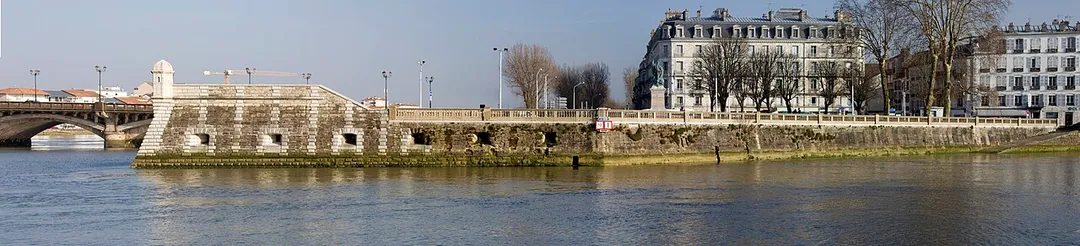
Bayonne (French: [bajɔnə] ; Basque and Gascon: Baiona) is a city in southwestern France near the Spanish border. It is a commune and one of two subprefectures in the Pyrénées-Atlantiques department, in the Nouvelle-Aquitaine region, in the area known as the French Basque Country.
Bayonne is located at the confluenceRead more
of the Nive and Adour rivers, in the northern part of the cultural region of the Basque Country. It is the seat of the Communauté d'agglomération du Pays Basque which roughly encompasses the western half of Pyrénées-Atlantiques, including the coastal city of Biarritz. The area also constitutes the southern part of Gascony, where the Aquitaine Basin joins the beginning of the Pre-Pyrenees.
Together with nearby Anglet, Biarritz, Hendaye and 24 smaller communes, Bayonne forms an urban area with 259,017 inhabitants as of 2022, 53,312 of whom lived in the commune of Bayonne proper. It is also a part of Basque Eurocity Bayonne-San Sebastián.
The site on the left bank of the Nive and the Adour was probably occupied before ancient times; a fortified enclosure was attested to in the 1st century, while the Tarbelli occupied the territory. Archaeological studies have confirmed the presence of a Roman castrum in the 4th and 5th centuries.
In 1023, Bayonne was the capital of Labourd. In the 12th century, it extended to the confluence of the Nive River and beyond. During that time, its first bridge spanning the Adour was built. The city came under English control in 1152 through the marriage of Eleanor of Aquitaine; it became important commercially and, to a lesser degree, militarily thanks to maritime trade. In 1177, Richard the Lion Heart of England took control of the city, separating it from the Viscount of Labourd.
In 1451, the city was taken by the Crown of France after the Hundred Years' War. The loss of trade with the English was followed by the river gradually filling with silt and becoming impassable to ships. As the city developed to the north, its position was weakened compared to earlier times. The district of Saint-Esprit developed initially from settlement by Sephardic Jewish refugees fleeing the Spanish expulsions dictated by the Alhambra Decree. This community brought skill in chocolate making, and Bayonne gained a reputation for chocolate.
The course of the Adour was changed in 1578 by dredging under the direction of Louis de Foix, and the river returned to its former mouth. Bayonne flourished after regaining the maritime trade that it had lost for more than a hundred years. In the 17th century, the city was fortified by Vauban, whose works were followed as models of defense for 100 years. In 1814, Bayonne and its surroundings were the scene of fighting between the Napoleonic troops and the Spanish-Anglo-Portuguese coalition led by the Duke of Wellington. It was the last time the city was under siege.
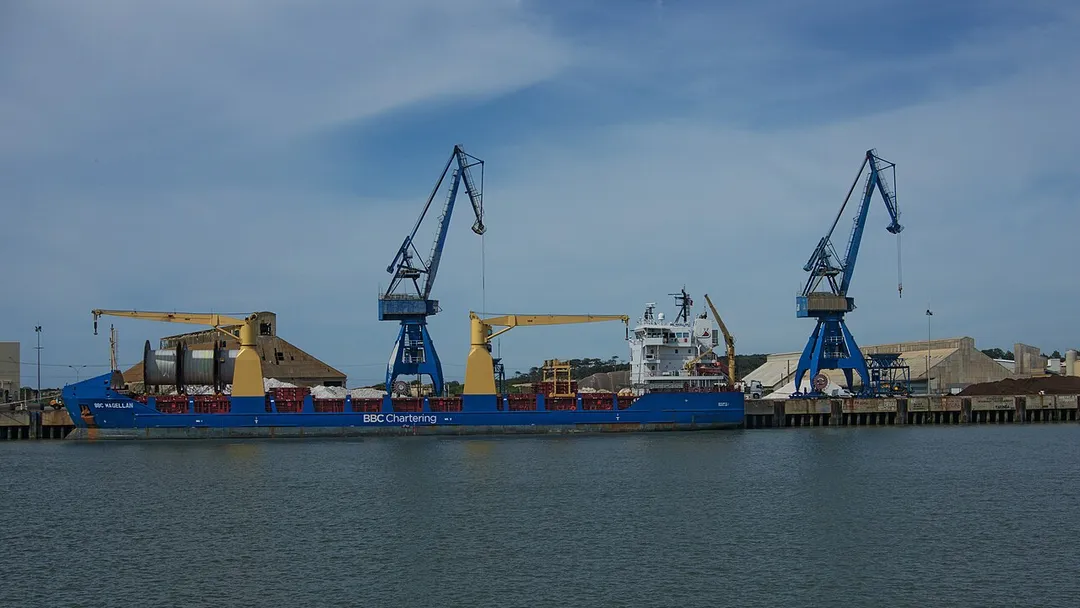
In 1951, the Lacq gas field was discovered in the region; most of its extracted oil and sulphur are shipped from the port of Bayonne. During the second half of the 20th century, many housing estates were built, forming new districts on the periphery. The city developed to form a conurbation with Anglet and Biarritz; the agglomeration became the heart of a vast Basque-Landes urban area.
Bayonne is the heart of the Communauté d'agglomération du Pays Basque, which covers roughly the western half of the Pyrénées-Atlantiques department. It is an important part of the Basque Bayonne-San Sebastián Eurocity and it plays the role of economic capital of the Adour basin. Modern industries—metallurgy and chemicals—have been established to take advantage of procurement opportunities and sea shipments through the harbour. Business services today represent the largest source of employment. Bayonne is also a cultural capital, a city with strong Basque and Gascon influences, and a rich historical past. Its heritage is expressed in its architecture, the diversity of collections in museums, its gastronomic specialties, and traditional events such as the noted Fêtes de Bayonne.
The inhabitants of the commune are known as Bayonnais or Bayonnaises.
Compare prices across Booking.com, Airbnb, Expedia, and more. Select your dates to see availability.
Pick your must-haves once: provider links open pre-filtered. Each filter lists which sites it applies to.
Compare before you book!
Prices can vary significantly between platforms. We recommend checking at least 2-3 sites to find the best deal for your stay in Bayonne.
Discover famous landmarks, scenic roads, and more near Bayonne.
Bayonne offers many attractions including tourist sites, museums, parks, and local restaurants. Explore famous landmarks, scenic roads, and natural wonders on our interactive map and plan your visit.
Plan your road trip to Bayonne with Plan Your Road Trips! Add Bayonne as a destination, and we'll help you find the best route and discover more amazing places along the way.
Bayonne is located in New Aquitaine, France, Europe. The coordinates are 43.4932 latitude, -1.4730 longitude.
Bayonne has a population of approximately 44,396 people, making it a town in France.
Add to your itinerary
Start planning your road trip with Bayonne as a destination. Create a custom route and discover more amazing places along the way.
Start Road TripDiscover destinations like Tinder
Swipe through stunning destinations near Bayonne. Save your favourites and add them to your trip.
Essential numbers in France
Carrying a warning triangle and hi-vis vest in your vehicle is mandatory. Motorway emergency phones connect to official breakdown services only.
Full driving guide for France8 notable places within an hour's drive.
landmark
The annual Biarritz festival celebrating motorcycle culture, surfing, and custom builds that has become a global pilgrimage for riders.
7 km · about 15 min drive
beach
A glamorous Atlantic surf beach below Belle Époque hotels, the cradle of European surfing.
7 km · about 15 min drive
scenic viewpoint
A 905 m Basque summit on the Spanish border, climbed by a wooden cog train for sweeping coast-to-Pyrenees views.
24 km · about 30 min drive
coastal drive
The wild clifftop D912 between Saint-Jean-de-Luz and Hendaye, running above tilted flysch rock strata with open views across the Bay of Biscay to the Spanish coast.
24 km · about 30 min drive
landmark
A walled medieval fishing town on the French border with a castle keep and the rainbow-balconied La Marina quarter perfect for pintxos.
30 km · about 35 min drive
beach
A perfect crescent of golden sand framed by green hills, widely regarded as one of the finest city beaches in Europe.
46 km · about 55 min drive
scenic viewpoint
A vintage funicular hauls you to a hilltop viewpoint and amusement park with the postcard panorama over San Sebastian's Concha bay.
47 km · about 55 min drive
landmark
Eduardo Chillida's iron sculptures bolted into the rocks where waves explode through blowholes mark the wild western end of San Sebastian's bay.
47 km · about 55 min drive
6 named roads, passes and coastal drives within 150km.
April to October
Other places to explore near Bayonne.
Create your perfect itinerary with our calendar-based planner. Add stops, discover attractions along the way, and share your trip with friends.
Start Planning