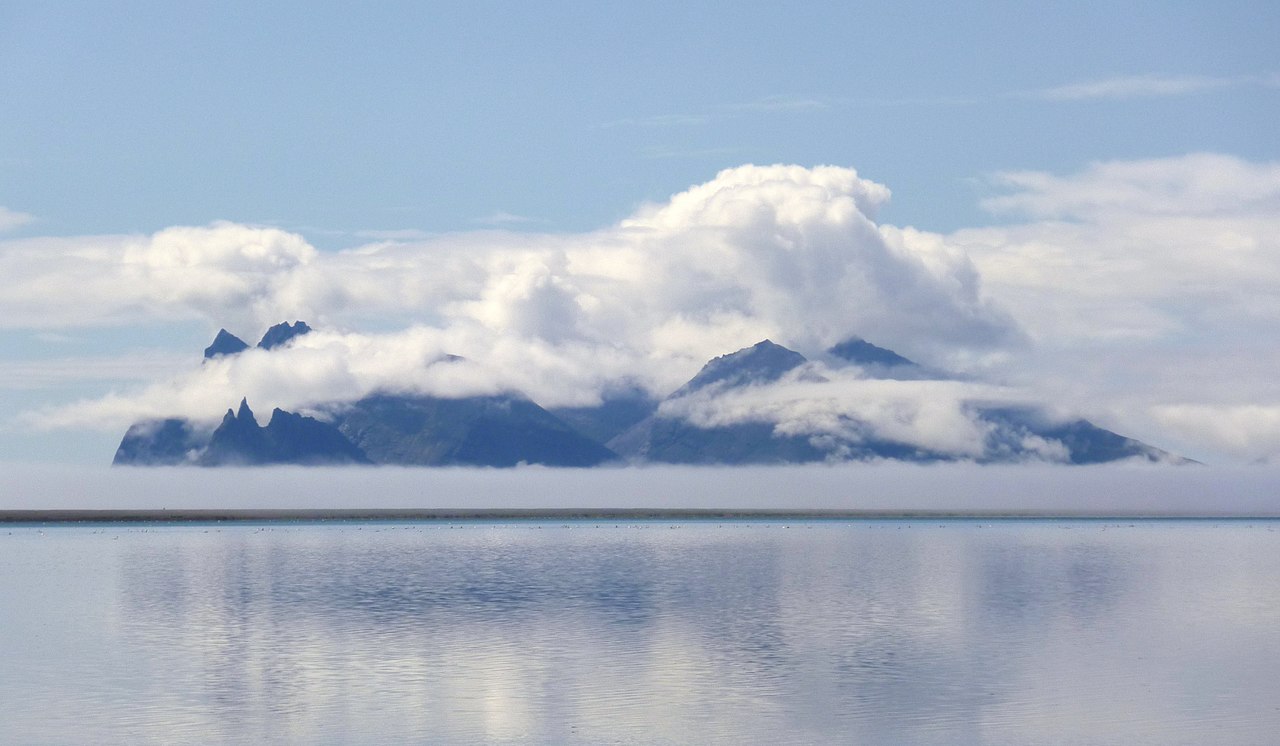
Iceland is one of the most thrilling places to drive on Earth. In a single day, you can pass steaming geothermal vents, cross vast lava deserts, navigate single-lane bridges, and park beside a glacier. But the freedom of an Icelandic road trip comes with serious responsibilities. The weather is unpredictable, many roads are impassable for months, and rescue services are stretched thin across a country the size of England with a population smaller than most cities. This guide will prepare you for every aspect of driving in Iceland.
The Ring Road: Iceland's Route 1
Route 1, known as the Ring Road, is a 1,322-kilometre circuit around the entire island. It is the backbone of any Icelandic road trip and the only route that connects all major regions. Most of the Ring Road is paved two-lane highway, though sections in the East Fjords and the north narrow significantly. A standard two-wheel-drive car is sufficient for the Ring Road in summer, but a 4WD provides a significant comfort and safety margin, especially in the east and north.
A comfortable Ring Road trip takes 7 to 10 days, allowing time for detours and sightseeing. Rushing it in 4 or 5 days means long driving days and missing most of what makes Iceland extraordinary. The most popular direction is counterclockwise (east from Reykjavik along the south coast), which puts you on the scenic south coast while energy and excitement are high.
Key Stops Along the Ring Road
- South Coast - Seljalandsfoss, Skogafoss, Reynisfjara black sand beach, Vik
- Southeast - Jokulsarlon glacier lagoon, Diamond Beach, Skaftafell
- East Fjords - Dramatic fjord roads, Seydisfjordur (the most photogenic town in Iceland)
- North - Dettifoss (Europe's most powerful waterfall), Myvatn, Husavik (whale watching capital), Akureyri
- West - Hvitserkur sea stack, the Westfjords detour (add 3 to 4 days), and the Snaefellsnes Peninsula
Download the offline map of Iceland before you leave Reykjavik. Mobile signal drops out across large sections of the east and interior. Google Maps and Maps.me both offer offline downloads.
F-Roads: Rules, Requirements & Reality
F-roads ("fjallvegir" or mountain roads) are unpaved highland tracks that cross Iceland's vast, uninhabited interior. They are marked with an F prefix on maps (F26, F35, F88, etc.) and are subject to strict regulations that every driver must understand.
The rules are non-negotiable:
- 4WD vehicles only. It is illegal to drive a two-wheel-drive vehicle on any F-road. This is enforced, and your rental insurance will be void if you attempt it.
- Seasonal closures. Most F-roads open between mid-June and early September, depending on conditions. The road authority (Vegagerdin) publishes daily updates at road.is. Driving on a closed road is illegal and can result in fines of 100,000 ISK or more.
- River crossings. Many F-roads require fording unbridged rivers. Water levels change hour by hour with temperature (glacial melt increases in warm afternoons). If you have never forded a river in a vehicle, do not attempt it alone. People die doing this every year.
- No off-road driving. Driving off marked roads and tracks is illegal everywhere in Iceland. The fragile moss and lava landscapes can take decades to recover from tyre tracks.
Popular F-Roads
F35 (Kjolur) is the easiest highland route, crossing between the Langjokull and Hofsjokull glaciers. It has no major river crossings and a regular 4WD (not super jeep) can handle it in good conditions. The hot springs at Hveravellir, roughly at the midpoint, are spectacular.
F26 (Sprengisandur) is the longest highland route, crossing the interior desert between Landmannalaugar and the north. It includes several river crossings and is more challenging than the Kjolur. A high-clearance 4WD is essential.
F88 to Askja leads to the Askja caldera and the Viti crater lake in the remote eastern highlands. Multiple river crossings including the Lindaa, which can be impassable. Check conditions carefully and consider joining a guided super jeep tour if you are not experienced.
Before tackling any F-road, leave a detailed travel plan at safetravel.is. This free service alerts rescue teams if you do not check in by your scheduled time. It has saved lives.
Weather, Hazards & Seasonal Considerations
Iceland's weather is the single biggest factor in your driving experience. Conditions can shift from clear sunshine to horizontal rain, fog, or snow within 30 minutes, even in summer. Wind is the most underestimated hazard. Gusts regularly exceed 20 metres per second (45 mph), and in winter, sustained winds of 30 to 40 m/s can make driving physically dangerous. Car doors ripped off by wind is one of the most common rental car insurance claims in Iceland.
Summer Driving (June to August)
The best time for most visitors. Nearly 24 hours of daylight, all main roads open, and F-roads accessible from mid-June. Temperatures range from 8 to 15 degrees Celsius. Rain is frequent but usually not heavy. Fog can roll in suddenly on coastal sections.
Shoulder Season (April to May, September to October)
Unpredictable conditions. Snow is possible at any time, highland roads are closed, and daylight drops to 12 to 16 hours. A 4WD with winter tyres is strongly recommended. The upside: far fewer tourists and a chance to see the northern lights.
Winter Driving (November to March)
Only for experienced winter drivers. Many roads close temporarily during storms. Studded tyres are legal and recommended from November 1 to April 14. Daylight drops to 4 to 6 hours in December. The south coast and Golden Circle are manageable; the north and east can be treacherous. Always check road.is and vedur.is (weather) before setting out each morning.
Fuel Stations & Costs
Fuel in Iceland is expensive. Petrol and diesel both cost roughly 300 to 350 ISK per litre (approximately 2.00 to 2.40 EUR). Most stations are operated by N1, Orkan, or Olis and accept credit cards at automated pumps. You will need a PIN for your credit card at unmanned stations, which are common in rural areas.
The longest gap between fuel stations on the Ring Road is approximately 300 kilometres in the east (between Egilsstadir and the next reliable station depending on your direction). A general rule is to never let your tank drop below half. In the highlands, there are almost no fuel stations at all. Carry a spare jerry can if you are doing F-roads.
- N1 discount card: Available at any N1 station. Gives a small per-litre discount and works at all their unmanned pumps.
- Electric vehicles: Iceland has a growing EV charging network, but it is not yet reliable enough for the full Ring Road without careful planning. The east has significant gaps.
Rental Cars & Insurance
Renting a car in Iceland is straightforward but expensive. A basic economy car costs 8,000 to 12,000 ISK (55 to 80 EUR) per day in summer, while a proper 4WD suitable for F-roads runs 20,000 to 35,000 ISK (135 to 240 EUR) per day. Book well in advance for summer; popular 4WD models sell out months ahead.
Insurance options in Iceland are more extensive than most countries because of the unique hazards:
- CDW (Collision Damage Waiver) - Standard, covers body damage with an excess of 200,000 to 350,000 ISK.
- SCDW (Super CDW) - Reduces excess significantly. Strongly recommended.
- GP (Gravel Protection) - Covers windscreen and body damage from gravel thrown by other vehicles. Essential on the Ring Road where trucks pass on gravel sections.
- SAAP (Sand and Ash Protection) - Covers paint and glass damage from volcanic sand storms. Relevant in the south, especially near Vik. Highly recommended.
- TP (Theft Protection) - Iceland has virtually zero car theft. Skip this one.
When you pick up your rental, video-record the entire exterior of the car before driving off. Existing scratches are common on Iceland rentals, and disputes over pre-existing damage are the number-one complaint from tourists.
Speed Limits, Laws & Fines
Speed limits in Iceland are conservative:
- Urban areas: 50 km/h (30 km/h in residential zones)
- Gravel roads: 80 km/h
- Paved rural roads: 90 km/h
There is no higher motorway limit because Iceland has no motorways. Speed cameras are increasingly common, and fines are severe. Exceeding the limit by 10 to 20 km/h can cost 20,000 to 40,000 ISK (135 to 270 EUR). Over 30 km/h above the limit can result in loss of licence and fines exceeding 100,000 ISK.
Headlights must be on at all times, day and night. The blood alcohol limit is 0.05%. Seatbelts are mandatory for all passengers. Mobile phone use requires a hands-free device.
Single-lane bridges are common on the Ring Road and marked with the sign "Einbreid bru." The car closer to the bridge has right of way. Pull into the passing area and wait if an oncoming car is already on the bridge.
Ready to plan your Icelandic adventure? Plan this trip and map out every stop along the Ring Road.
Frequently Asked Questions
Do I need a 4WD for the Ring Road?
In summer (June to August), a standard 2WD car is sufficient for the Ring Road itself. However, a 4WD gives you access to many worthwhile detours, better handling on gravel sections, and peace of mind in sudden weather changes. If you are visiting in shoulder season or winter, a 4WD with winter tyres is strongly recommended. For F-roads, a 4WD is legally required.
How much does a Ring Road trip cost?
Budget approximately 15,000 to 25,000 ISK per person per day for a mid-range trip including rental car share, fuel, accommodation (mix of guesthouses and campsites), and food. A 10-day Ring Road trip for two people typically costs 700,000 to 1,200,000 ISK (4,800 to 8,200 EUR) total. Fuel is the biggest variable cost after accommodation.
When do the highland F-roads open?
Most F-roads open between mid-June and late June, depending on snow melt. Some higher routes may not open until early July. Closures typically begin in September, with most highland roads shut by mid-October. The exact dates change every year. Check road.is daily for current conditions, as individual roads open and close independently based on their specific conditions.
